


Custom Shirt Patches Iron On: How to Choose and Apply Them
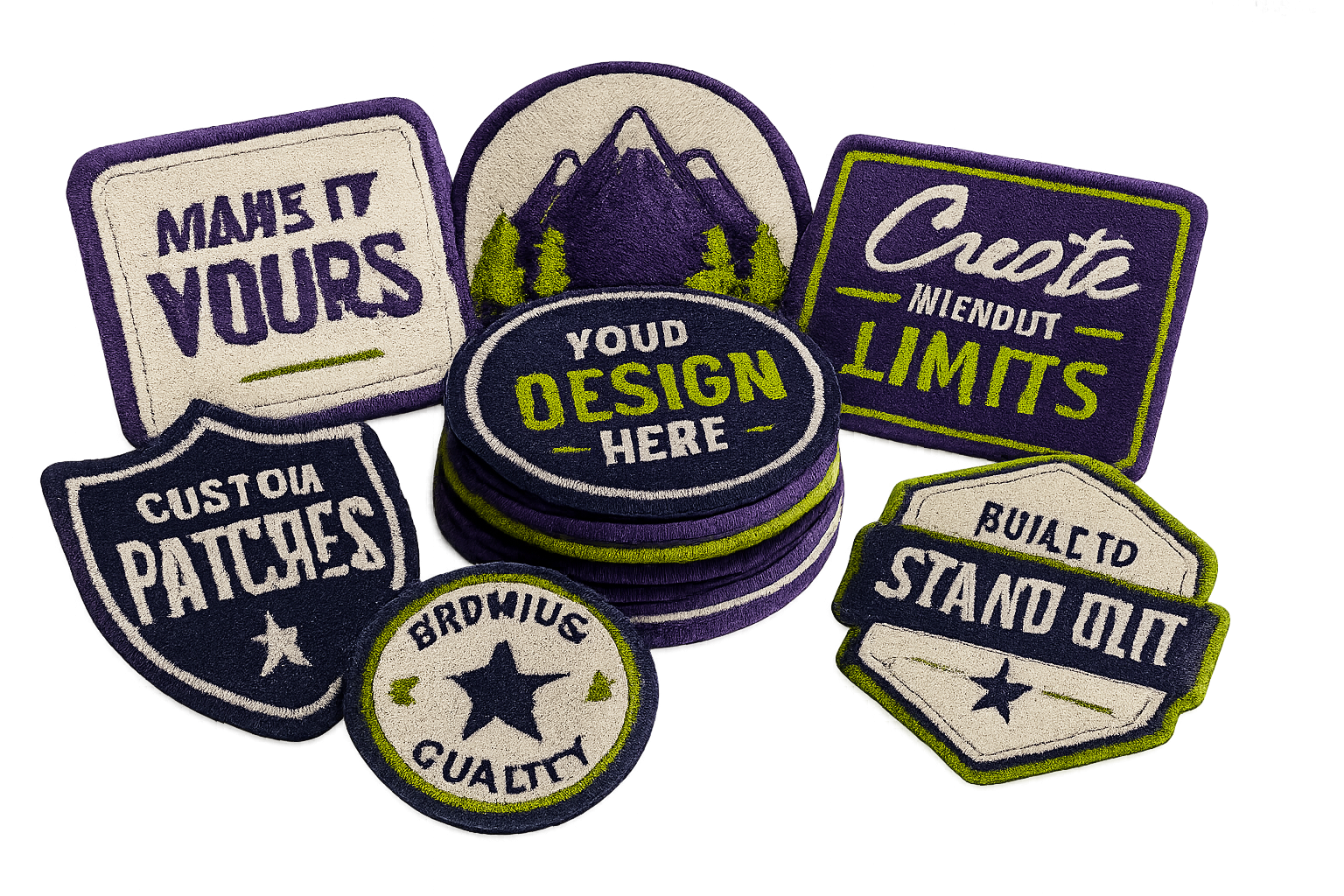
Custom patches are an easy way to give a shirt a personal touch. You can add a name, logo, symbol, or colourful design without changing the whole garment. Iron-on patches are especially popular because they can be attached with heat instead of stitching around every edge.
However, choosing the right patch involves more than finding a design you like. You also need to consider the fabric, patch size, adhesive quality, and care instructions to get a result that looks neat and lasts.
What Are Custom Iron-On Shirt Patches?
Custom iron-on patches are fabric designs made to attach to clothing with heat-activated adhesive. Unlike standard sew-on patches, they usually have a bonding layer on the back that softens when heated and helps the patch stick to suitable fabric.
You can choose custom designs for personal clothing, team uniforms, work shirts, events, or gifts. Depending on the supplier, options may include embroidered artwork, woven details, lettering, and different shapes and sizes.
Before ordering, check the product description carefully. Not every patch uses the same adhesive or works with every type of material.
Choose a Design That Fits Your Shirt
The best design depends on how you plan to use the shirt.
For personal clothing: Choose initials, favourite symbols, or artwork that reflects your interests. Small designs often work well on shirt pockets and sleeves.
For businesses and teams: A logo or name can help create a consistent appearance. Make sure the text is readable and the colours match your intended design.
For gifts and special occasions: Names, dates, and simple illustrations can make a shirt feel more personal.
Think about the colour of the shirt before finalising the design. A patch should stand out enough to be visible without clashing with the rest of the garment.
Check the Fabric Before Buying
Fabric compatibility is one of the most important parts of choosing an iron-on patch. Cotton and some cotton-blend fabrics may be suitable, depending on the patch instructions. Delicate fabrics, waterproof finishes, and heat-sensitive synthetic materials may not tolerate the required temperature.
Always check the garment's care label and the patch manufacturer's guidance. If the shirt cannot safely withstand the recommended heat, consider a sew-on patch instead.
You should also check whether the patch is designed for frequent washing. A product intended for occasional decoration may not be the best choice for a shirt worn regularly.
How to Apply an Iron-On Patch
Applying an iron-on patch is usually straightforward when you follow the product instructions.
1. Prepare the Shirt
Place the shirt on a flat, heat-resistant surface. Make sure the area is clean and dry. Smooth out wrinkles so the patch can sit evenly.
2. Position the Patch
Place the patch where you want it, with the adhesive side facing the fabric. Check the position in a mirror or ask someone to help if you are placing it on the back of the shirt.
3. Apply Heat Carefully
Follow the manufacturer's instructions for temperature, pressure, and pressing time. Use a pressing cloth if recommended. Do not guess the temperature, and avoid applying heat directly to materials that could melt or become damaged.
4. Let It Cool
Allow the patch to cool before checking the bond. If an edge has not attached properly, follow the product instructions for any additional pressing. Do not pull at the patch while the adhesive is still warm.
How to Help Your Patch Last Longer
Even a well-applied patch needs suitable care. Follow the washing instructions for both the shirt and the patch, as the safest method depends on their materials.
Turning the shirt inside out before washing may help protect the design. Avoid excessive heat in washing or drying if the care instructions advise against it.
Check the edges from time to time. If the patch starts lifting, repair it according to the manufacturer's guidance before the loose area becomes larger. Some patches can also be stitched around the edges for extra security, if the design and garment allow it.
Where Can You Find Custom Patch Ideas?
Before choosing a design, compare the available shapes, materials, sizes, and attachment options. Look for clear product photos and descriptions so you know what you are ordering.
If you are exploring custom shirt patches iron on, consider which design fits your clothing project and review the product details before making a purchase. Choosing the right patch at the start can save time and help you avoid fabric damage.
Final Thoughts
Custom iron-on shirt patches offer a simple way to personalise clothing, display a logo, or refresh an old shirt. Choose a suitable design, confirm that the fabric can tolerate the required heat, and follow the application instructions carefully. With the right preparation and care, an iron-on patch can be a useful addition to your wardrobe.
- Digital Agency
- Literie
- Location de voitures
- Restaurant
- Restaurant
- Mode
- Mode
- Information
- Marketing
- Tourisme
- Développement
- Découverte
- Législation
- Gastronomie
- Pâtisserie
- Evento
- Art
- Causes
- Crafts
- Dance
- Drinks
- Film
- Fitness
- Food
- Jogos
- Gardening
- Health
- Início
- Literature
- Music
- Networking
- Outro
- Party
- Religion
- Shopping
- Sports
- Theater
- Wellness
 Portuguese
 Indian
 English
 French
 Arabic
 Spanish
 Deutsch
 Turkish
 Dutch
 Italiano
 Russian
 Romaian
 Portuguese (Brazil)
 Greek
