


Designing a Dining Room That Brings Family and Style Together
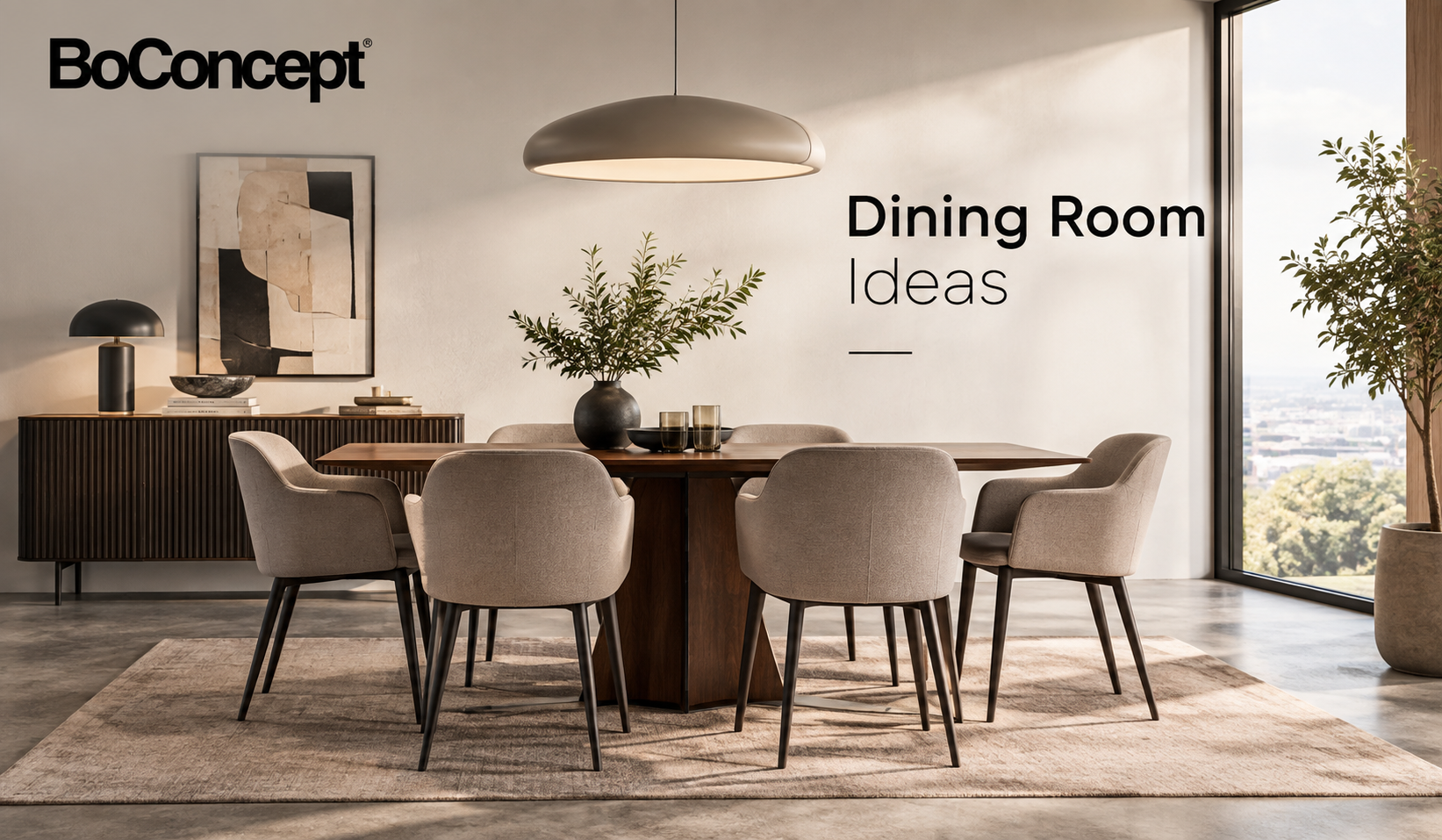
Dining room ideas are no longer just about picking a table and a set of chairs. For most Indian homeowners today, the dining space has quietly become one of the most lived-in corners of the house — a place for everyday meals, weekend conversations, and the occasional festive gathering that stretches late into the night. Given how much time families spend here, it only makes sense to think a little more intentionally about how this room looks and feels.
One of the first things to consider is scale. Indian homes, especially in cities, often have compact floor plans, so the dining area needs to work hard without feeling cramped. A round or oval table tends to be more forgiving in smaller spaces since it allows easier movement around the room. In larger homes, a long rectangular table with bench seating on one side can add a relaxed, European-inspired feel while still keeping things functional for daily use.
Material choice plays a bigger role than most people realise. Solid wood tables, particularly in warm oak or walnut tones, bring a timeless quality that doesn't date quickly. Pairing wood with metal-framed chairs or a mix of upholstered and wooden seating adds visual interest without making the space feel cluttered. This kind of contrast — soft textures against structured materials — is a design approach often seen in contemporary European dining collections, where simplicity and craftsmanship are given equal importance.
Lighting is another detail that can transform an ordinary dining room into something special. A single pendant light hung slightly lower than ceiling height, right above the table, creates a cosy, focused glow that's ideal for evening meals. For those who entertain often, dimmable lighting offers flexibility — bright enough for daytime lunches, soft enough for a quiet dinner. Natural light also deserves attention; placing the dining table near a window, where possible, makes the space feel more open during the day.
Colour palettes have shifted noticeably in recent years. Instead of heavy, dark themes, many Indian homeowners are now leaning towards muted, earthy tones — soft greys, warm beiges, and sage greens — paired with natural wood finishes. This Scandinavian-influenced approach, which values calmness over visual excess, works particularly well in Indian climates where rooms already receive strong natural light for most of the year.
Storage is often overlooked but genuinely useful. A sideboard or a sleek console along one wall not only holds crockery and linens but also gives the room a finished, considered appearance. It's a small addition that quietly improves everyday functionality, especially in homes where the dining area doubles as a space for other activities like studying or working.
Personal touches ultimately make the biggest difference. A table runner in a textured fabric, a small vase with fresh flowers, or even artwork that reflects the family's taste can turn a functional room into one that feels genuinely lived-in. The goal isn't to follow a trend exactly as it appears in a showroom, but to adapt it to suit the rhythm of your own home.
Good design doesn't need to be loud or expensive to make an impact. With the right balance of proportion, material, and light, even a modest dining area can feel warm, welcoming, and distinctly personal — proof that thoughtful dining room ideas are really about comfort first, aesthetics second.
- Digital Agency
- Literie
- Location de voitures
- Restaurant
- Restaurant
- Mode
- Mode
- Information
- Marketing
- Tourisme
- Développement
- Découverte
- Législation
- Gastronomie
- Pâtisserie
- Event
- Art
- Causes
- Crafts
- Dance
- Drinks
- Film
- Fitness
- Food
- Games
- Gardening
- Health
- Home
- Literature
- Music
- Networking
- Other
- Party
- Religion
- Shopping
- Sports
- Theater
- Wellness
 English
 Indian
 French
 Arabic
 Spanish
 Portuguese
 Deutsch
 Turkish
 Dutch
Dutch
 Italiano
 Russian
 Romaian
 Portuguese (Brazil)
 Greek
Greek
