


Exploring Recovery After Robotic Hair Transplant in Dubai
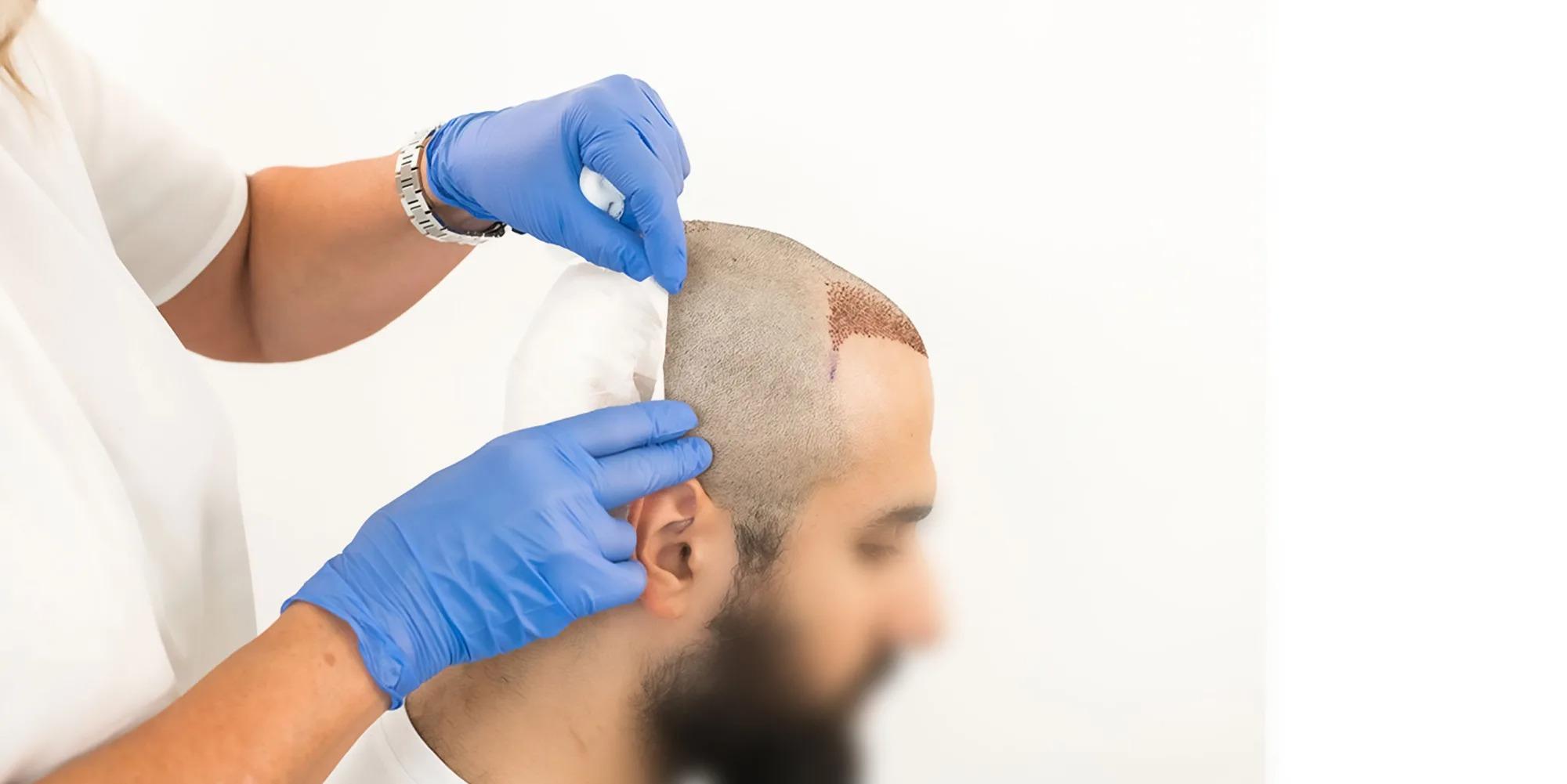
Hair restoration does not end when the procedure is complete. The recovery period plays an important role in protecting newly placed grafts, supporting the scalp as it heals, and allowing the transplanted follicles to progress through their natural growth cycle. For people considering Robotic Hair Transplant in Dubai, understanding what happens after treatment can make the overall experience more predictable and manageable.
Recovery can vary depending on the number of grafts transplanted, the condition of the donor and recipient areas, the extraction and implantation approach, and individual healing characteristics. Robotic assistance may help with aspects such as follicle identification, extraction planning, and graft placement, but it does not eliminate the normal biological healing process associated with hair restoration.
During the first few days, patients may notice mild redness, swelling, tightness, tenderness, or small crusts around the treated areas. These effects generally improve gradually. Careful washing, avoiding unnecessary pressure on the scalp, following prescribed medication instructions, and protecting the area from excessive sun exposure can all contribute to a smoother recovery.
The visible appearance of the scalp may change considerably during the first several weeks. Some transplanted hairs can shed temporarily, which is commonly referred to as shock loss or shedding. This does not necessarily mean the follicles have been lost. The follicles can remain in place while entering a resting phase before producing new growth.
What Happens During the Early Recovery Period?
The first few days require particular attention because the transplanted grafts are beginning to settle into their new environment. Mild swelling around the forehead or scalp can occur, while the donor area may feel sensitive after follicular extraction.
Patients are generally advised to avoid scratching, rubbing, or applying unnecessary pressure to the scalp. Sleeping with the head slightly elevated may be recommended during the initial period, particularly when swelling is present.
Small crusts can develop around individual grafts as the skin heals. These should not be picked or removed forcefully. The treating medical team normally provides specific instructions for cleansing the scalp and gradually returning to a normal hair-washing routine.
Physical activity may also need to be restricted temporarily. Heavy exercise, activities that cause substantial sweating, swimming, and anything that could expose the scalp to contamination or physical impact may be limited during early healing.
Recovery With Robotic Assistance
Robotic technology can support certain stages of follicular hair restoration by helping identify and assess suitable donor follicles. Depending on the system and treatment protocol, digital imaging and automated assistance may contribute to consistent extraction planning.
However, recovery remains biological rather than technological. Once grafts have been placed, the scalp still needs time to heal and the follicles need time to adapt. Robotic Hair Transplant in Dubai should therefore be viewed as a technique that may assist procedural precision rather than a treatment that produces immediate final growth.
The quality of aftercare remains important regardless of how extraction or implantation was performed. Patients should follow the instructions provided by their medical team instead of relying on generic recovery schedules found online.
When Does the Scalp Start Looking Normal?
The appearance of the scalp generally changes gradually. Redness and minor swelling may become less noticeable during the first several days, while crusting can persist for a short period as the skin repairs itself.
During the following weeks, transplanted hairs may become less visible as temporary shedding occurs. This stage can sometimes be psychologically challenging because the scalp may appear less dense before new growth becomes noticeable.
Hair growth is not immediate because transplanted follicles follow their own growth cycle. New strands may begin appearing after several months, with density and texture continuing to develop over a longer period. The final outcome is therefore assessed much later than the initial recovery stage.
Factors That Can Influence Recovery
Several factors may affect how comfortable and straightforward recovery feels. The number of grafts involved can influence the extent of temporary redness and sensitivity. Existing scalp condition, general health, skin characteristics, aftercare compliance, and the technique used during extraction and implantation can also contribute.
Lifestyle choices matter as well. Smoking, inadequate nutrition, poor sleep, excessive sun exposure, and failure to follow postoperative instructions may interfere with the recovery process or make it more difficult to protect the treated area.
Patients should also communicate with their provider if symptoms become unusually severe or fail to improve as expected. Increasing pain, significant swelling, persistent bleeding, discharge, fever, or other concerning changes require professional assessment rather than self-treatment.
Managing Daily Activities After Treatment
Returning to everyday activities depends on the individual's procedure and the instructions provided by the treating team. Many routine activities can gradually resume as the scalp settles, but strenuous exercise may require a longer break.
Work involving minimal physical exertion may be easier to resume sooner than occupations involving heat, dust, heavy lifting, helmets, or significant outdoor exposure. Patients should discuss their specific working environment during the consultation so that recovery recommendations can be tailored accordingly.
Sun protection is particularly important once the scalp has been treated. Direct exposure can increase irritation and may affect the appearance of healing skin. The medical team can advise when and how protective measures should be introduced.
How to Choose the Right Approach for Robotic Hair Restoration
Choosing a provider should involve more than looking at the availability of robotic technology. The medical expertise behind treatment planning is equally important. A consultation should include an assessment of the donor region, degree and pattern of thinning, hair characteristics, scalp condition, and realistic restoration goals.
Experience and Qualifications
Patients should check the qualifications and relevant experience of the physician performing or supervising the procedure. Hair restoration requires an understanding of follicular anatomy, donor management, graft handling, and aesthetic hairline design.
Technology and Techniques
Robotic systems differ in their capabilities and clinical application. Ask which technology is being used, what parts of the procedure it supports, and how it fits into the overall treatment plan. Technology should complement clinical judgment rather than replace it.
Safety Standards
The facility should maintain appropriate infection-control procedures, sterile equipment, trained clinical personnel, and clear protocols for postoperative monitoring. Patients should also understand what support is available if a concern develops after leaving the facility.
Consultation Process
A detailed consultation can reveal whether the proposed plan is individualized. The provider should explain donor capacity, expected recovery, possible temporary shedding, limitations, and the likely timeline for visible growth.
Patient Experience
Clear communication before and after treatment can make recovery easier to manage. Written aftercare instructions, accessible follow-up support, and realistic guidance about healing are useful indicators of a well-organized treatment pathway.
Expected Results
No hair restoration procedure can guarantee a particular density or growth pattern. A responsible treatment plan should explain what can reasonably be achieved based on the available donor follicles and the patient's existing hair characteristics.
Frequently Asked Questions
How long does recovery take after robotic hair transplantation?
The initial scalp recovery commonly occurs over the first several days to weeks, while the biological process of new hair growth takes considerably longer. Visible improvement develops gradually rather than immediately after treatment.
Is swelling normal after the procedure?
Mild swelling can occur after hair transplantation, particularly around the forehead or scalp. It usually settles as healing progresses. Significant, worsening, or persistent swelling should be discussed with the treating medical team.
When can I wash my hair after robotic transplantation?
Washing instructions vary according to the technique and individual treatment plan. Patients should follow the specific cleansing method and timing provided by their provider rather than applying pressure or scrubbing the treated area independently.
Will transplanted hair shed during recovery?
Temporary shedding can occur during the early stages following transplantation. This can be part of the normal follicular growth cycle and does not automatically indicate treatment failure. New growth typically requires several months.
When will the final result become visible?
Hair growth develops progressively. Early changes may appear within a few months, but fuller development generally takes longer. The exact timeline differs between individuals depending on follicular characteristics, treatment extent, and natural growth cycles.
Conclusion
Recovery is an essential part of the hair restoration process and should be considered before treatment rather than after it. Patients undergoing Robotic Hair Transplant should expect a gradual transition from early scalp healing to temporary shedding and, eventually, new follicular growth. Careful aftercare, realistic expectations, appropriate follow-up, and professional guidance can help patients navigate each stage with greater confidence. The technology used during transplantation is only one part of the overall process; careful treatment planning and responsible postoperative care remain central to achieving a natural-looking, sustainable outcome.
- Digital Agency
- Literie
- Location de voitures
- Restaurant
- Restaurant
- Mode
- Mode
- Information
- Marketing
- Tourisme
- Développement
- Découverte
- Législation
- Gastronomie
- Pâtisserie
- Eveniment
- Art
- Causes
- Crafts
- Dance
- Drinks
- Film
- Fitness
- Food
- Jocuri
- Gardening
- Health
- Acasă
- Literature
- Music
- Networking
- Alte
- Party
- Religion
- Shopping
- Sports
- Theater
- Wellness
 Romaian
 Indian
 English
 French
 Arabic
 Spanish
 Portuguese
 Deutsch
 Turkish
 Dutch
Dutch
 Italiano
 Russian
 Portuguese (Brazil)
 Greek
Greek
