


Understanding Tattoo Removal Before and After Results
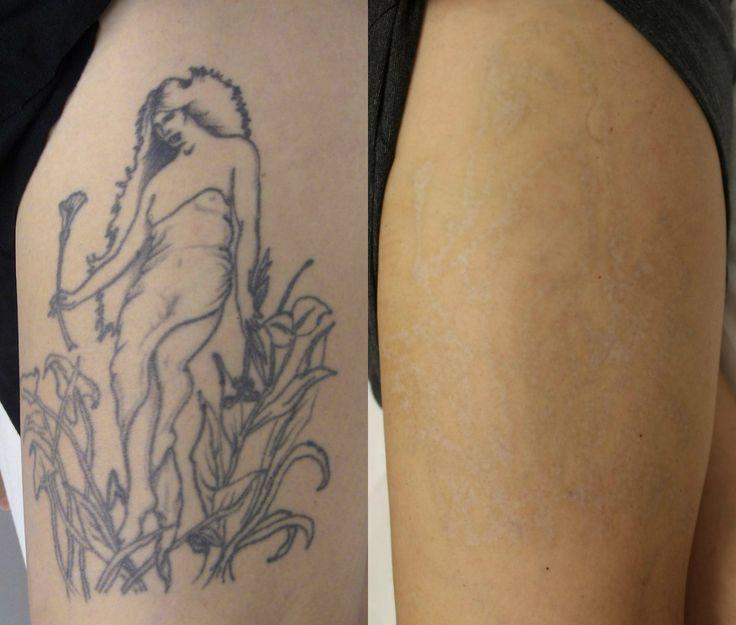
Tattoo removal is a gradual process that requires patience, realistic expectations, and proper aftercare. While modern technologies can significantly fade or remove unwanted tattoos, results vary depending on factors such as ink color, tattoo age, skin type, tattoo size, and the removal method used.
Understanding what happens before, during, and after treatment can help people prepare for the process and evaluate progress more realistically.
What Tattoo Removal Involves
Tattoo removal works by targeting tattoo pigment beneath the skin. Depending on the technology used, energy may break the pigment into smaller particles, allowing the body to gradually clear them away. Because the skin needs time to recover and process the fragmented pigment, removal usually takes multiple sessions rather than producing an immediate result.
Before beginning treatment, a qualified professional generally evaluates the tattoo and surrounding skin. This assessment can help determine the appropriate approach and provide an estimate of how many sessions may be needed.
Factors That Affect Results
Every tattoo responds differently to treatment. One of the biggest factors is the type and color of ink used. Dark pigments such as black often respond more readily to certain laser technologies, while some lighter colors can be more challenging.
Tattoo depth also matters. Professional tattoos may have pigment placed deeper in the skin, potentially requiring more treatment sessions than some amateur tattoos. The tattoo's size, density, location, and age can also influence how quickly it fades.
Individual healing and immune response play important roles as well. Even when two people have similar tattoos, their results and treatment timelines may not be identical.
Understanding Tattoo Removal Before and After Photos
When looking at tattoo removal before and after images, it is important to view them as examples rather than guarantees. Photographs can demonstrate how tattoos may change through a series of treatments, but they do not predict exactly how another person's skin will respond.
Good comparison photos should ideally show similar lighting, camera angles, and time intervals. Changes in lighting, image editing, skin position, or photography conditions can make fading appear more dramatic or less noticeable than it actually is.
For this reason, people should focus on consistent evidence of pigment reduction, changes in tattoo visibility, and the condition of the surrounding skin rather than relying solely on a single photograph.
What Happens Immediately After Treatment?
After a tattoo removal session, the treated area may temporarily appear red, swollen, or irritated. Some people may notice small blisters or a sensation similar to mild sunburn. These effects can be part of the skin's normal response to treatment, although the exact reaction varies.
Following professional aftercare instructions is essential. The area may need to be kept clean and protected while the skin recovers. Picking, scratching, or unnecessarily disturbing the treated area can interfere with healing and increase the risk of complications.
The tattoo may not look dramatically different immediately after treatment. The body needs time to process the disrupted pigment, so visible fading often becomes more noticeable over the following weeks.
Tracking Progress Between Sessions
A useful way to evaluate tattoo removal is to compare photographs taken at consistent intervals. This can make gradual changes easier to recognize because tattoo fading may happen slowly.
The appearance of the tattoo can change from one treatment session to another. Some areas may fade faster than others, creating an uneven appearance during the process. This does not necessarily mean the treatment has failed.
Professionals may adjust treatment settings or timing based on how the skin and tattoo respond. Allowing adequate recovery time between sessions is important because repeated treatment too soon may increase irritation without necessarily improving results.
Tattoo Removal Before and After: What to Expect
Looking at tattoo removal before and after examples can help set realistic expectations about the gradual nature of treatment. Some tattoos may become significantly lighter after several sessions, while others may require a longer treatment course.
Complete removal is not guaranteed in every case. Certain pigments can be particularly resistant, and some tattoos may leave behind a faint outline or residual pigmentation. In other cases, the goal may be substantial fading rather than complete removal, especially when someone wants to cover an existing tattoo with a new design.
The most useful comparison is therefore not simply whether a tattoo has disappeared, but how much pigment has been reduced and how the skin has responded throughout the process.
Skin Type and Tattoo Location Matter
The location of a tattoo can influence the removal process. Areas with different circulation and skin characteristics may respond differently. Tattoos located farther from the body's central circulation may sometimes take longer to fade.
Skin type is another important consideration. Treatment settings need to be selected carefully to address tattoo pigment while minimizing unnecessary effects on surrounding skin. A professional assessment can help identify appropriate treatment parameters and potential risks.
People should also disclose relevant skin history, medications, previous treatments, and any concerns during consultation. This information can help professionals make safer treatment decisions.
The Importance of Professional Assessment
Before starting tattoo removal, a consultation provides an opportunity to examine the tattoo and discuss expectations. A professional can consider the tattoo's pigment colors, density, age, size, location, and the individual's skin characteristics.
A treatment plan may include several appointments separated by recovery periods. The exact number cannot always be predicted accurately at the beginning because the response becomes clearer as treatment progresses.
A professional consultation can also help explain potential side effects and appropriate aftercare. This is particularly important because tattoo removal involves intentionally treating the skin and should be approached carefully.
Aftercare Can Influence the Experience
Following aftercare recommendations is an important part of the overall process. Depending on the treatment used, instructions may include keeping the area clean, avoiding unnecessary friction, protecting the skin from excessive sun exposure, and allowing the treated area to heal naturally.
Sun protection is especially important because recently treated skin may be more sensitive. Patients should follow the specific recommendations provided by their treatment professional rather than relying on generic advice.
Good aftercare does not guarantee faster tattoo removal, but it can support healthy skin recovery and reduce avoidable irritation.
Choosing a Tattoo Removal Provider
When researching providers, consider their experience, technology, consultation process, safety practices, and approach to individualized treatment. Before-and-after galleries can be useful when they show authentic examples with consistent photography and clear treatment histories.
It is also worthwhile to ask how many sessions are typically expected, what recovery may involve, what results are realistic, and what potential side effects should be considered. A trustworthy provider should be willing to discuss both benefits and limitations rather than promising guaranteed results.
How Mychway Can Support Aesthetic Treatment Solutions
Mychway offers aesthetic and beauty equipment designed for professional treatment environments. Its range of technologies can be explored by practitioners looking for equipment solutions for different cosmetic applications.
When considering products from MyChway, professionals should evaluate device specifications, intended applications, training requirements, safety considerations, and compatibility with their practice. Proper professional use and adherence to applicable guidelines remain important when working with aesthetic equipment.
Conclusion
Tattoo removal is a process rather than a one-time procedure. Results develop gradually as treatment breaks down tattoo pigment and the body clears it over time. Factors such as ink color, tattoo depth, location, skin characteristics, treatment technology, and aftercare can all influence the outcome.
Understanding tattoo removal before and after comparisons can help people develop realistic expectations and recognize gradual progress. Consistent photography, professional assessments, appropriate treatment intervals, and careful aftercare provide a more reliable way to evaluate results.
Ultimately, a personalized consultation is the best starting point for understanding what level of fading or removal may be achievable for an individual tattoo.
- Digital Agency
- Literie
- Location de voitures
- Restaurant
- Restaurant
- Mode
- Mode
- Information
- Marketing
- Tourisme
- Développement
- Découverte
- Législation
- Gastronomie
- Pâtisserie
- Event
- Art
- Causes
- Crafts
- Dance
- Drinks
- Film
- Fitness
- Food
- Games
- Gardening
- Health
- Home
- Literature
- Music
- Networking
- Other
- Party
- Religion
- Shopping
- Sports
- Theater
- Wellness
 English
 Indian
 French
 Arabic
 Spanish
 Portuguese
 Deutsch
 Turkish
 Dutch
Dutch
 Italiano
 Russian
 Romaian
 Portuguese (Brazil)
 Greek
Greek
