


How Can a Laser Metal Cleaner Transform Modern Surface Preparation
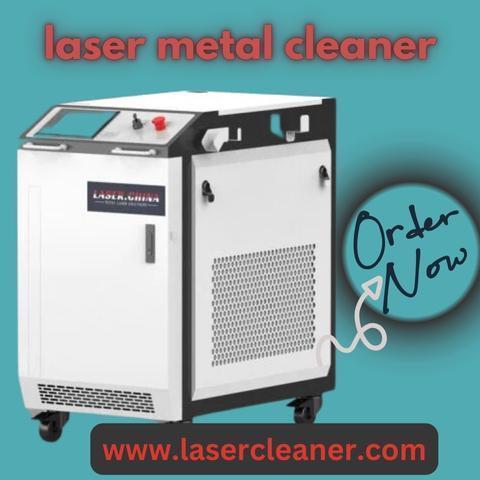
Metal surfaces often require regular cleaning before manufacturing, welding, painting, restoration, or maintenance. Traditional cleaning methods can involve chemicals, abrasive materials, or intensive manual labor. As industries look for cleaner and more precise production methods, laser technology has become an increasingly practical solution. A laser metal cleaner uses concentrated laser energy to remove unwanted materials from metal surfaces while allowing operators to work with greater control and accuracy.
From removing rust and oxidation to eliminating paint, oil, grease, and other contaminants, laser cleaning technology can be used across many industrial applications. Its controlled cleaning process makes it suitable for workshops, factories, maintenance operations, automotive applications, and metal restoration projects.
What Is a Laser Metal Cleaner?
A laser metal cleaner is an industrial cleaning system that uses a focused laser beam to remove contaminants from a metal surface. Instead of physically scrubbing the surface or applying chemical solutions, the laser interacts with unwanted material and separates it from the underlying substrate.
The process is generally based on controlled laser energy. When the laser beam reaches contaminants such as rust, paint, oxide layers, or grease, the unwanted material absorbs the energy and is removed from the surface. The operator can adjust the cleaning parameters according to the material, contamination level, and required result.
Different systems are available for different applications, including portable handheld equipment and larger industrial machines.
How Does Laser Metal Cleaning Work?
The cleaning process begins when the laser beam is directed toward the contaminated metal surface. The energy is absorbed primarily by the unwanted layer. Depending on the selected laser parameters, the contamination can be vaporized, detached, or otherwise removed from the surface.
A scanning system moves the laser beam across the selected area. This allows the operator to clean a specific section without unnecessarily processing the surrounding surface.
For example, when removing rust from steel, the laser can be configured to target the rust layer while minimizing interaction with the underlying metal. The operator can gradually clean the surface and inspect the result during the process.
This controlled approach is particularly useful when working with valuable components or surfaces where excessive material removal needs to be avoided.
Removing Rust From Metal Surfaces
Rust is one of the most common contaminants encountered in metalworking and maintenance. It can develop on steel components, tools, machinery, automotive parts, molds, pipes, and structural elements.
A laser metal cleaner can be used to process rusted surfaces without relying on chemical rust removers or abrasive blasting. The laser energy interacts with the rust layer, allowing it to be removed from the metal surface.
The technology can also be useful for localized rust removal. Instead of treating an entire component, an operator can concentrate on specific affected areas. This can be helpful for restoration work, maintenance, and preparation before painting or welding.
Paint and Coating Removal
Old paint and coatings can create challenges when metal components need to be repaired, refinished, welded, or restored. Conventional removal methods can generate considerable dust or require chemical stripping products.
Laser cleaning provides another approach by directing controlled energy toward the coating. The paint absorbs the laser energy and separates from the metal surface.
This application is useful in industries where surfaces need to be prepared before applying a new coating. Removing old layers can help expose the underlying material and provide a cleaner working surface for subsequent processing.
Removing Oil, Grease, and Industrial Contaminants
Metal components frequently become contaminated with oil, grease, dirt, carbon deposits, and other substances during manufacturing and operation. Cleaning these contaminants is important before welding, coating, inspection, or assembly.
A laser cleaning system can be configured for specific types of surface contamination. The focused beam processes the unwanted material while the operator controls the scanning movement across the component.
For workshops and manufacturing environments, this can make laser cleaning a useful part of surface preparation workflows. It can also be used for maintenance activities where components require cleaning before inspection or repair.
Applications in Manufacturing
Manufacturing companies work with metal parts of different sizes, shapes, and materials. Laser cleaning can be integrated into a variety of production and maintenance processes.
Common applications include cleaning molds, removing oxidation from fabricated parts, preparing welding surfaces, removing coatings, and cleaning machine components.
Before welding, for example, contaminants on the metal can interfere with the preparation process. Using a laser to clean the relevant area can help create a more consistent surface before the welding operation begins.
In production environments, cleaning parameters can also be adjusted for different components, making the technology suitable for repeatable processing.
Automotive and Machinery Maintenance
Automotive components and industrial machinery can accumulate rust, paint, grease, carbon, and other deposits over time. Laser cleaning can be used for selected maintenance and restoration tasks.
Engine components, metal tools, molds, mechanical parts, and other equipment may require surface cleaning before repair or refurbishment. A handheld system can be particularly practical when the operator needs to move around a large component or reach specific areas.
The ability to direct the laser toward a selected surface also makes the technology suitable for detailed cleaning work.
Handheld Laser Metal Cleaner for Flexible Work
Handheld laser cleaning machines are designed for applications where mobility and operator control are important. The operator can guide the laser cleaning head across the metal surface and process areas according to the required cleaning pattern.
This format can be useful for workshops that work with components of different shapes and dimensions. Instead of designing a fixed cleaning setup for every component, a portable machine can be moved between work areas.
When selecting a handheld system, users should consider laser power, cleaning width, operating controls, cooling system, machine configuration, and the type of materials they plan to process.
Choosing the Right Laser Cleaning Machine
The appropriate machine depends on the intended application. A workshop cleaning small metal components may have different requirements from a factory processing large industrial structures.
Laser power is one important consideration because different contamination levels and materials require different processing conditions. The cleaning area, operating frequency, machine mobility, scanning system, and control options should also be considered.
Users should identify the contaminants they commonly encounter, such as rust, paint, oil, oxidation, or carbon deposits. Understanding the surface material and cleaning requirements makes it easier to select a suitable configuration.
Preparing Metal Before Welding and Painting
Surface preparation is an important stage before many manufacturing processes. Contaminants can affect welding, coating, bonding, and finishing operations.
Using a laser metal cleaner for preparation can provide a controlled way to process the required surface before the next production stage. For welding applications, operators can clean the area where the weld will be created. For painting applications, old coatings, rust, and other surface contamination can be removed before refinishing.
Laser Cleaning for Restoration and Maintenance
Restoration projects often involve valuable metal components where careful surface treatment is required. Historical machinery, metal structures, tools, automotive parts, and decorative components may contain layers of oxidation, paint, or accumulated dirt.
Laser cleaning allows operators to work on selected areas with controlled energy. This makes it possible to approach restoration tasks gradually, inspecting the surface as cleaning progresses.
Safe and Responsible Operation
Laser cleaning equipment should always be operated according to the manufacturer's instructions and applicable workplace safety requirements. Industrial laser systems can produce hazardous laser radiation, and appropriate protective measures are essential.
Operators should use suitable laser safety equipment, control access to the working area, follow ventilation requirements, and manage fumes or particles generated during cleaning. Proper training is also important for establishing safe operating procedures.
Final Thoughts
A laser metal cleaner provides a modern approach to removing rust, paint, oxidation, grease, oil, and other contaminants from metal surfaces. Its controlled laser-based process can support applications ranging from manufacturing and welding preparation to machinery maintenance and metal restoration.
- Digital Agency
- Literie
- Location de voitures
- Restaurant
- Restaurant
- Mode
- Mode
- Information
- Marketing
- Tourisme
- Développement
- Découverte
- Législation
- Gastronomie
- Pâtisserie
- Event
- Art
- Causes
- Crafts
- Dance
- Drinks
- Film
- Fitness
- Food
- Games
- Gardening
- Health
- Home
- Literature
- Music
- Networking
- Other
- Party
- Religion
- Shopping
- Sports
- Theater
- Wellness
 English
 Indian
 French
 Arabic
 Spanish
 Portuguese
 Deutsch
 Turkish
 Dutch
Dutch
 Italiano
 Russian
 Romaian
 Portuguese (Brazil)
 Greek
Greek
