


Handmade Textiles: Why Traditional Craftsmanship Still Matters Today
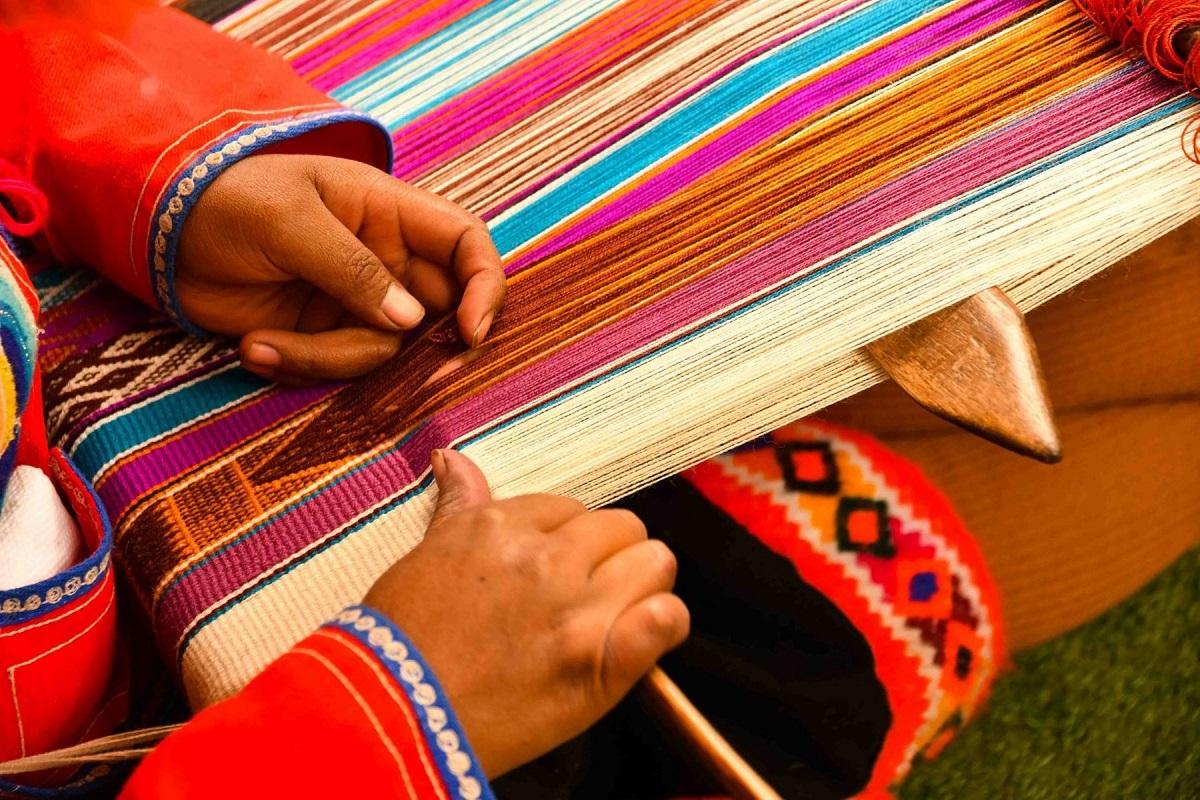
Handmade textiles have a character that is difficult to reproduce through mass production. Every woven, embroidered, printed, or stitched piece reflects the time, skill, and creativity of the person who made it. Instead of looking perfectly identical, handmade fabrics often carry subtle variations in texture, color, pattern, and construction. These small differences are part of what makes them special.
From handwoven cotton and wool to embroidered fabrics and naturally dyed materials, handmade textiles connect traditional craftsmanship with modern design. They can be used for clothing, bedding, curtains, table linens, cushions, rugs, scarves, and many other products. More importantly, they offer a way to bring craftsmanship and cultural identity into everyday life.
What Are Handmade Textiles?
Handmade textiles are fabrics or textile products created partly or primarily through manual processes rather than being produced entirely by automated industrial machinery.
Depending on the tradition and material, artisans may spin fibers, prepare yarn, operate handlooms, dye fabric, embroider designs, block-print patterns, or complete finishing details by hand.
Common examples include:
-
Handwoven cotton fabrics
-
Wool and handloom shawls
-
Embroidered textiles
-
Hand-block-printed fabrics
-
Hand-dyed materials
-
Patchwork and quilted textiles
-
Handwoven rugs and throws
-
Traditional decorative fabrics
The exact techniques vary from one region to another. In South Asian textile traditions, for example, weaving, block printing, embroidery, and distinctive regional patterns have developed over generations. Research on Pakistani textile heritage documents the long history and regional diversity of handloom production.
The Craftsmanship Behind Every Piece
One of the defining characteristics of handmade textiles is the amount of human involvement in their production.
A handwoven fabric may require careful preparation of the yarn before weaving even begins. The artisan must arrange the threads correctly, maintain tension, control the weaving process, and create the desired pattern. Embroidered textiles require another set of skills, including precise stitching and detailed pattern work.
This makes handmade production considerably different from simply selecting a finished fabric from a factory.
The process may involve:
-
Selecting and preparing the fiber.
-
Spinning or preparing yarn.
-
Setting up the loom or textile surface.
-
Weaving, stitching, printing, or dyeing.
-
Adding decorative details.
-
Inspecting and finishing the completed textile.
Traditional textile knowledge is often learned through practical experience and passed from one generation to another. Studies of handloom communities have highlighted the importance of inherited knowledge and hands-on experience in keeping these traditions alive.
Why Handmade Textiles Look Different
Uniformity is usually a major goal in industrial manufacturing. Handmade textiles work differently.
A slight variation in a woven line or an irregularity in a hand-printed motif does not necessarily mean the product is defective. In many cases, it demonstrates that the textile was made by hand.
These variations can create:
-
Distinctive textures
-
Slightly different color effects
-
Individual pattern placement
-
Natural irregularities
-
A more tactile appearance
This individuality is one reason handmade fabrics work particularly well in interiors where homeowners want something that feels personal rather than mass-produced.
Handmade Textiles and Cultural Heritage
Textiles often tell stories about the communities that create them. Patterns, colors, weaving methods, embroidery styles, and dyeing techniques can reflect regional history and cultural traditions.
Consider textiles such as Ajrak and Rilli from Sindh. Contemporary research describes Ajrak as a traditional block-printing practice and Rilli as a patchwork tradition, while also examining how these techniques can be adapted to modern materials.
This demonstrates an important characteristic of handmade textiles: tradition does not necessarily have to remain frozen in the past.
Artisans and designers can preserve recognizable techniques while developing new applications for contemporary consumers.
Handmade Textiles in Modern Home Décor
You do not need a traditionally styled home to use handmade fabrics.
A handwoven throw can add texture to a modern sofa. An embroidered cushion can introduce detail to a minimalist bedroom. A woven table runner can make a simple dining area feel more considered without overwhelming the space.
Some practical applications include:
Living Rooms
Use handmade cushions, throws, or rugs to introduce texture and visual warmth.
Bedrooms
Handcrafted bedspreads, blankets, pillow covers, and decorative fabrics can create a more layered appearance.
Dining Areas
Handwoven runners, napkins, and placemats can add texture to everyday table settings.
Entryways
Small handmade rugs or textile wall hangings can create an interesting focal point without requiring major changes to the room.
Choosing Quality Handmade Textiles
Not every handmade textile has the same construction or durability. Before purchasing, look beyond the appearance.
Consider the following:
-
Fiber: Check whether the textile uses cotton, linen, wool, silk, or a blend.
-
Construction: Examine the weave, stitching, or embroidery for consistency and strength.
-
Texture: Feel the fabric rather than relying only on photographs.
-
Color: Ask about the dyeing method
- Digital Agency
- Literie
- Location de voitures
- Restaurant
- Restaurant
- Mode
- Mode
- Information
- Marketing
- Tourisme
- Développement
- Découverte
- Législation
- Gastronomie
- Pâtisserie
- Evenement
- Art
- Causes
- Crafts
- Dance
- Drinks
- Film
- Fitness
- Food
- Jeux
- Gardening
- Health
- Domicile
- Literature
- Music
- Networking
- Autre
- Party
- Religion
- Shopping
- Sports
- Theater
- Wellness
 French
 Indian
 English
 Arabic
 Spanish
 Portuguese
 Deutsch
 Turkish
 Dutch
Dutch
 Italiano
 Russian
 Romaian
 Portuguese (Brazil)
 Greek
Greek
