


From Sensors to Insights: The Technology Powering Modern Water Monitoring
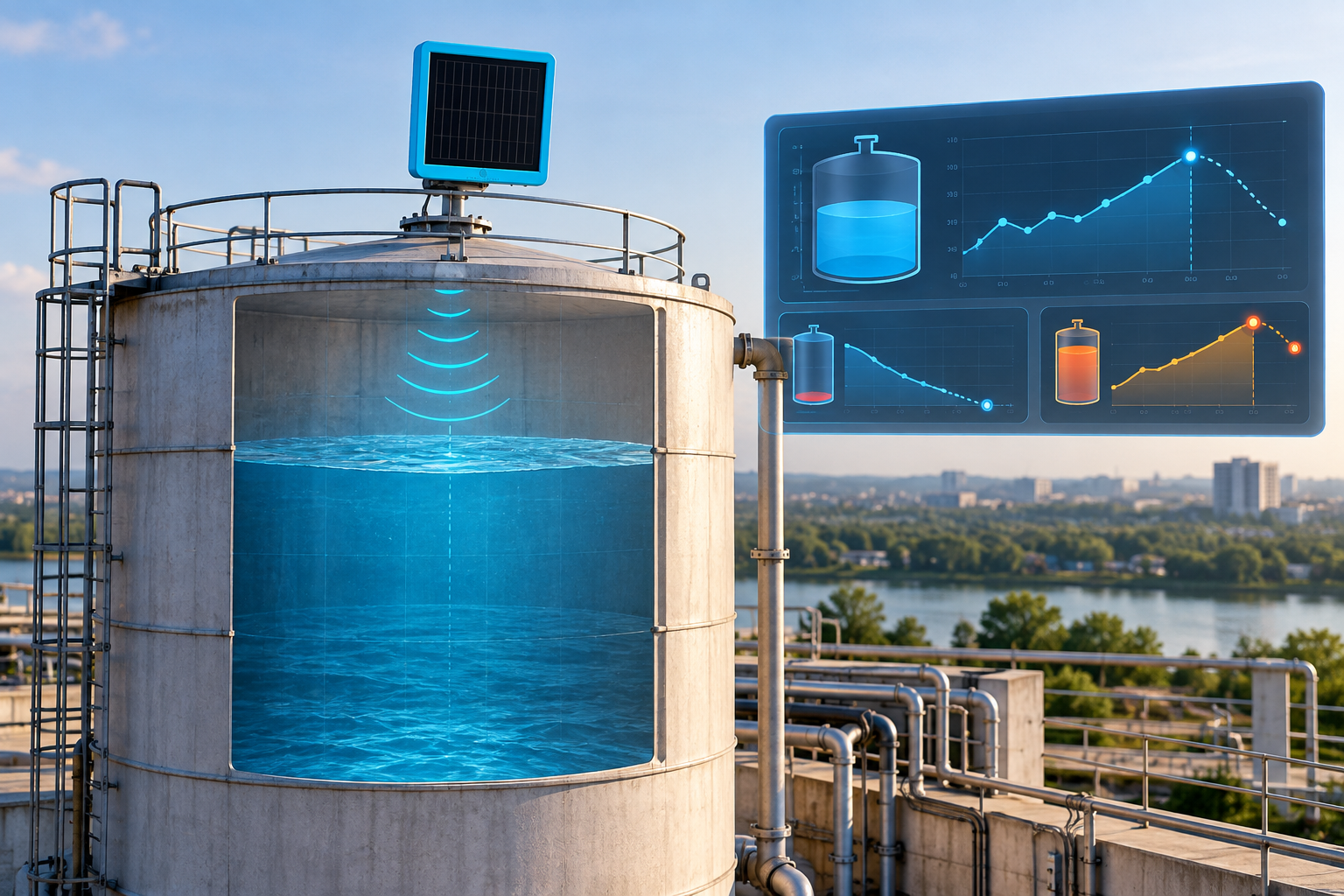
Water monitoring has evolved significantly with the introduction of connected sensors, cloud platforms, and automation technologies. Traditional methods often rely on manual inspections and periodic readings, making it difficult to identify water loss, equipment problems, or changing consumption patterns in real time.
Modern water monitoring systems collect data continuously and transform it into useful insights for facility managers, maintenance teams, and businesses. Technologies such as water loss monitoring, MyTank, and the Elint remote asset monitoring system are helping organizations improve visibility, reduce wastage, and manage water infrastructure more efficiently.
The Evolution of Water Monitoring Technology
Earlier water management systems depended on manual tank inspections, mechanical meters, and paper-based records. While these methods offered basic information, they provided limited visibility between inspections.
Today, connected monitoring systems use digital sensors and communication technologies to collect information automatically. Data can be transmitted to cloud platforms, where users can access water-level information, receive alerts, and review historical trends.
This shift from manual observation to continuous monitoring enables organizations to make faster and more informed decisions.
The Role of Sensors in Modern Water Monitoring
Sensors are the foundation of a connected water monitoring system. They measure important conditions such as water levels, tank status, and equipment performance.
Depending on the application, modern water monitoring systems may use:
-
Radar water-level sensors
-
Ultrasonic sensors
-
Float-based sensors
-
Pressure sensors
-
Flow meters
-
Smart pump controllers
These devices collect data from tanks and water infrastructure without requiring constant physical inspections.
How Water Loss Monitoring Works
Water loss monitoring helps organizations identify unexpected changes in water storage and consumption. By continuously observing water levels and usage patterns, connected systems can highlight conditions that may indicate leakage, overflow, or inefficient pumping.
For example, if a tank level drops faster than expected during a period of low consumption, the data may indicate a possible leak or equipment issue. Similarly, repeated overflow events may suggest that pump control settings need to be reviewed.
Effective water loss monitoring can help organizations:
-
Detect unusual water-level changes
-
Identify potential leakage
-
Reduce overflow-related wastage
-
Monitor consumption patterns
-
Improve maintenance planning
-
Reduce unnecessary water expenses
MyTank: Connecting Water Storage to Digital Insights
MyTank is a smart water monitoring and automation platform designed to provide better visibility into water storage systems. It connects sensors and equipment to a centralized digital environment, allowing users to monitor water conditions remotely.
Depending on the configuration, MyTank can support:
-
Real-time water-level monitoring
-
Overhead tank and sump monitoring
-
Wireless sensor connectivity
-
Pump automation
-
Water-level alerts
-
Water usage analytics
-
Cloud-based dashboard access
By converting sensor readings into accessible information, MyTank helps users understand what is happening across their water infrastructure and respond more effectively.
From Raw Data to Actionable Insights
Sensors alone are not enough to improve water management. The real value comes from converting collected data into useful insights.
A connected monitoring platform can help users understand:
-
How quickly water levels change
-
When tanks are filling or emptying
-
Whether consumption patterns are unusual
-
How frequently pumps operate
-
Where maintenance attention may be required
This information supports better operational planning and allows teams to move from reactive maintenance toward preventive action.
The Elint Remote Asset Monitoring System
The Elint remote asset monitoring system enables organizations to monitor distributed equipment and infrastructure remotely. In water management applications, connected sensors can provide information about tank levels, pumps, and other critical assets through a centralized monitoring platform.
The Elint remote asset monitoring system can help reduce the need for frequent physical inspections, especially when assets are located across large facilities or geographically separated locations.
Key benefits may include:
-
Remote visibility into connected assets
-
Real-time monitoring information
-
Alerts for abnormal conditions
-
Improved maintenance response
-
Centralized asset management
-
Better operational decision-making
This approach helps organizations maintain awareness of their water infrastructure without depending entirely on manual checks.
The Importance of Connectivity
Connectivity allows sensors installed in different locations to communicate with a central platform. Depending on the installation environment, technologies such as LoRa, NB-IoT, CAT-M1, 4G, and LTE-M may be used to transmit data.
Reliable connectivity is especially important for:
-
Large industrial facilities
-
Apartment communities
-
Remote water tanks
-
Agricultural sites
-
Municipal infrastructure
-
Multi-building campuses
By connecting distributed assets, organizations can create a more complete picture of their water management operations.
Real-Time Alerts and Automated Responses
Modern water monitoring systems can provide alerts when predefined conditions occur. These notifications help operators respond before minor issues become major problems.
Alerts may be triggered by:
-
Low water levels
-
High water levels
-
Overflow risks
-
Unexpected consumption
-
Pump abnormalities
-
Sensor or communication issues
When combined with automation, monitoring systems can also support pump and valve control based on actual water conditions. This can help reduce manual intervention and improve system efficiency.
Applications of Modern Water Monitoring Technology
Connected water monitoring can be applied across several industries.
Residential Communities
Apartment complexes and gated communities can monitor multiple overhead tanks and underground sumps from one platform.
Commercial Buildings
Offices, hotels, hospitals, and shopping centers can improve water availability while reducing wastage.
Industrial Facilities
Factories can monitor process tanks, storage tanks, and water-related equipment to support efficient operations.
Agriculture
Farms can remotely track irrigation water levels and manage storage systems more effectively.
Municipal Infrastructure
Public water facilities can use connected monitoring to improve visibility across distributed reservoirs and storage assets.
Building a Smarter and More Sustainable Water Future
The combination of sensors, connectivity, cloud platforms, and automation is changing how organizations approach water management. Instead of relying on occasional readings, facility managers can use continuous data to identify patterns, detect problems, and improve efficiency.
With technologies such as water loss monitoring, MyTank, and the Elint remote asset monitoring system, organizations can move toward more reliable, data-driven, and sustainable water infrastructure.
Conclusion
Modern water monitoring is no longer limited to checking tank levels manually. Sensors collect data, communication networks transmit information, and cloud platforms convert that information into actionable insights.
By adopting water loss monitoring, MyTank, and the Elint remote asset monitoring system, organizations can improve visibility across their water infrastructure, detect potential issues earlier, and make smarter operational decisions. As water conservation and resource efficiency become increasingly important, connected monitoring technology will play a central role in managing every drop more effectively.
- Digital Agency
- Literie
- Location de voitures
- Restaurant
- Restaurant
- Mode
- Mode
- Information
- Marketing
- Tourisme
- Développement
- Découverte
- Législation
- Gastronomie
- Pâtisserie
- Evenement
- Art
- Causes
- Crafts
- Dance
- Drinks
- Film
- Fitness
- Food
- Spellen
- Gardening
- Health
- Home
- Literature
- Music
- Networking
- Overig
- Party
- Religion
- Shopping
- Sports
- Theater
- Wellness
 Dutch
Dutch
 Indian
 English
 French
 Arabic
 Spanish
 Portuguese
 Deutsch
 Turkish
 Italiano
 Russian
 Romaian
 Portuguese (Brazil)
 Greek
Greek
