


Does a Laser Rust Cleaner Transform Modern Metal Surface Preparation
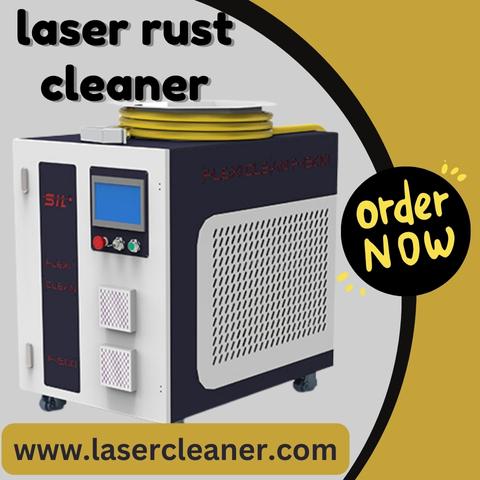
Rust is one of the most common surface problems affecting metal components, machinery, tools, automotive parts, industrial equipment, and structural materials. Traditional cleaning methods often involve abrasive materials, chemicals, grinding, or manual scrubbing. These approaches can require considerable preparation and may produce dust, residue, or additional waste during the cleaning process.
A laser rust cleaner provides a modern approach to removing unwanted rust and surface contamination from metal. By directing concentrated laser energy onto the affected area, the system can remove rust while allowing the underlying material to remain largely unaffected when the correct settings are applied. This makes laser-based cleaning increasingly relevant for workshops, manufacturing facilities, maintenance operations, restoration projects, and industrial applications.
Understanding Laser Rust Cleaning
Laser rust cleaning is a process that uses focused laser energy to interact with unwanted material on a metal surface. Rust, oxidation, paint residue, oil deposits, and other contaminants absorb the laser energy differently from the underlying metal. As the laser passes over the surface, the unwanted layer can be detached or vaporized according to the selected operating parameters.
The process is generally controlled through variables such as laser power, scanning speed, frequency, and cleaning pattern. Operators can adjust these settings according to the material, thickness, contamination level, and required surface condition.
Unlike conventional methods that physically scrape or blast the surface, laser cleaning works through a controlled interaction between the laser beam and the contaminant. This makes it suitable for applications where controlled surface treatment is important.
Why Rust Removal Requires Proper Surface Preparation
Rust is not simply a cosmetic issue. Oxidation can continue developing when it is not properly removed, particularly when metal components are exposed to moisture, air, chemicals, or harsh working environments. Before painting, welding, coating, restoration, or further processing, the surface often needs to be properly prepared.
A laser rust cleaner can be used to prepare metal surfaces by removing oxidized layers and exposing a cleaner working surface. This is particularly useful when the next manufacturing or maintenance stage requires a consistent surface.
For example, manufacturers may clean metal components before coating, while maintenance teams may remove rust from machinery before inspection or refurbishment. Automotive workshops can also use laser cleaning during restoration and preparation work.
How a Laser Rust Cleaner Works
The cleaning process begins by positioning the laser cleaning equipment toward the contaminated metal surface. The operator selects appropriate parameters based on the material and contamination.
When the laser beam reaches the rust layer, the energy interacts with the contaminated material. Because the rust and the underlying metal have different physical properties, the process can be controlled to target the unwanted layer.
The laser scanner moves the beam across the selected area, creating a controlled cleaning pattern. Depending on the application, the operator may adjust the scanning width and movement speed to achieve the required result.
Proper parameter selection is important. Excessive laser energy or unsuitable settings can affect the surface, so operators should follow the equipment manufacturer's instructions and use appropriate training and safety procedures.
Applications Across Different Industries
Laser rust cleaning has applications across many industrial environments. Manufacturing companies can use laser systems for preparing components before additional processing. Maintenance departments can use them during equipment refurbishment and scheduled maintenance.
In the automotive sector, laser cleaning can be applied to metal parts, tools, frames, components, and restoration projects. It can also be used in machinery maintenance where accumulated oxidation needs to be removed before inspection or repair.
Metalworking workshops can incorporate laser cleaning into preparation processes for fabrication and finishing. Restoration specialists may also use controlled laser treatment when working with valuable metal objects or components where careful surface treatment is required.
The versatility of the technology allows the same general principle to be adapted to different materials and cleaning requirements.
Preparing Metal Before Welding
Clean surfaces are particularly important during welding and fabrication. Rust, oxidation, paint, grease, and other contamination can interfere with preparation and affect the working area.
A laser rust cleaner can be used before welding to remove unwanted surface layers from selected areas. This creates a cleaner surface for subsequent fabrication work.
The cleaning process can be focused on specific sections instead of treating an entire component unnecessarily. This is useful when only certain areas require preparation before welding or repair.
For professional workshops, integrating laser cleaning into the preparation stage can create a more organized workflow between cleaning, inspection, fabrication, and finishing.
Laser Cleaning for Machinery Maintenance
Industrial machinery is regularly exposed to dust, moisture, oils, chemicals, and other environmental contaminants. Over time, these conditions can contribute to oxidation and surface buildup.
During maintenance, removing rust can make inspection and surface preparation easier. A laser system can be directed toward selected metal areas where oxidation has developed.
Maintenance teams can use laser cleaning as part of refurbishment procedures for equipment, machine components, tools, and metal assemblies. The exact cleaning process depends on the material, rust thickness, and condition of the component.
Regular inspection and appropriate maintenance remain important because cleaning alone does not prevent future corrosion. After cleaning, the surface may require suitable protection depending on the application and environment.
Restoring Metal Components
Metal restoration often requires careful treatment because excessive mechanical action can alter the original surface. Grinding and abrasive cleaning can remove unwanted material, but they can also change surface texture when used improperly.
Laser cleaning provides a controlled approach that can be considered for restoration projects involving metal components, machinery, tools, decorative pieces, and historical objects.
For restoration work, operators should first evaluate the material and condition of the object. Test cleaning on an appropriate area can help determine suitable operating parameters before treating a larger surface.
The objective is to remove unwanted contamination while maintaining appropriate control over the original material.
Choosing the Right Laser Cleaning Equipment
Selecting suitable equipment depends on the intended application. Different cleaning jobs can require different levels of laser power, working speeds, scanning widths, and operating configurations.
Before purchasing a laser rust cleaner, businesses should consider the materials they commonly process, the typical thickness of rust, the size of components, cleaning frequency, available workspace, and operator requirements.
Portable systems can be considered for maintenance work involving large machinery or components that are difficult to move. Fixed or more powerful systems may be appropriate for production environments where cleaning is performed repeatedly in a dedicated area.
Operating and Workplace Considerations
Laser cleaning equipment requires responsible operation. Laser radiation can present serious hazards to the eyes and skin, so appropriate protective measures are essential.
Training is another important part of workplace preparation. Operators should understand equipment controls, material response, parameter selection, emergency procedures, and routine maintenance.
Maintaining Consistent Cleaning Results
Consistent results depend on several factors, including surface condition, laser parameters, scanning speed, operator technique, and equipment maintenance.
Before beginning large-scale cleaning, checking a small test area can help establish suitable settings. Operators can then monitor the surface during processing and make controlled adjustments where necessary.
Keeping the laser system clean and following recommended maintenance schedules can also support reliable operation. Optical components and other equipment parts should be inspected according to the manufacturer's guidelines.
A structured cleaning procedure helps businesses maintain consistent results across repeated projects.
The Growing Role of Laser Surface Cleaning
As manufacturing and maintenance processes continue to adopt more controlled technologies, laser cleaning is becoming an increasingly recognized method for surface preparation. Its ability to target selected contaminants makes it suitable for a broad range of metalworking applications.
For businesses looking to introduce this technology, understanding the specific cleaning requirements of their materials is an important starting point. Equipment selection, operator training, workplace safety, and correct parameter settings all contribute to a successful cleaning process.
Final Thoughts
A laser rust cleaner offers a modern method for treating rust and other unwanted surface contaminants on metal. Its controlled laser-based process can be applied across manufacturing, maintenance, automotive, fabrication, and restoration environments.
- Digital Agency
- Literie
- Location de voitures
- Restaurant
- Restaurant
- Mode
- Mode
- Information
- Marketing
- Tourisme
- Développement
- Découverte
- Législation
- Gastronomie
- Pâtisserie
- Eveniment
- Art
- Causes
- Crafts
- Dance
- Drinks
- Film
- Fitness
- Food
- Jocuri
- Gardening
- Health
- Acasă
- Literature
- Music
- Networking
- Alte
- Party
- Religion
- Shopping
- Sports
- Theater
- Wellness
 Romaian
 Indian
 English
 French
 Arabic
 Spanish
 Portuguese
 Deutsch
 Turkish
 Dutch
Dutch
 Italiano
 Russian
 Portuguese (Brazil)
 Greek
Greek
