


How Can a Fiber Welder Improve Precision and Consistency in Modern Metal Fabrication
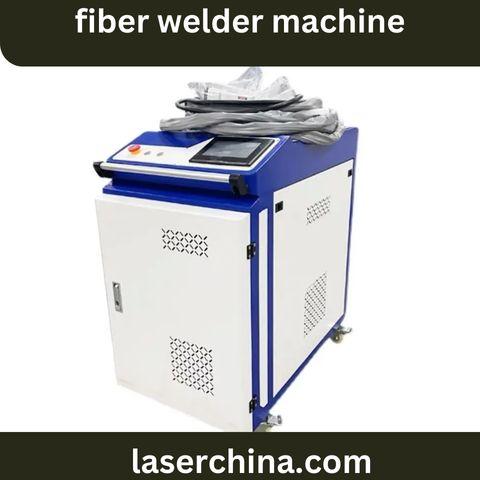
Metal fabrication continues to evolve as workshops and manufacturing facilities look for more precise, consistent, and practical welding solutions. Among modern welding technologies, the fiber welder has become an important tool for professionals working with different types of metal. By using concentrated laser energy to join materials, this equipment provides a controlled welding process suitable for fabrication, repair, customization, and industrial production.
As industries demand cleaner workmanship and greater control over welding operations, understanding how a fiber welder works and where it can be used has become increasingly important. From stainless steel components to carbon steel structures, this technology can support a wide range of metalworking applications.
Understanding the Fiber Welder
A fiber welder is a laser welding machine that uses a fiber laser source to deliver concentrated energy to the welding area. Unlike traditional welding processes that rely on an electric arc or flame, laser welding directs a highly focused beam onto the material. The concentrated energy melts the selected area, allowing two metal surfaces to form a strong joint as the material cools.
The process is controlled through the machine's welding system, allowing operators to work with specific settings according to the material, thickness, and application. Modern machines are designed for professional workshops, fabrication companies, manufacturing plants, and businesses that require repeatable welding operations.
The technology can be configured for different production requirements, making it relevant to both specialized fabrication and everyday metalworking tasks.
How Does Laser Welding Work?
The basic operation begins when the fiber laser source generates a laser beam. This beam travels through the optical system before reaching the welding head. The welding head focuses the beam onto a precise point on the workpiece.
When the laser reaches the metal surface, its concentrated energy creates localized heat. The material melts within the targeted area, forming a small molten pool. As the laser moves along the joint, the molten metal solidifies and creates a continuous weld.
The operator must select suitable parameters for the particular application. These can include laser power, welding speed, focal position, and other settings. Proper adjustment helps maintain consistent results across different materials and working conditions.
This controlled approach makes laser welding suitable for applications where accuracy and repeatability are important.
Materials Commonly Used With a Fiber Welder
A fiber welder can be used with several metals commonly found in fabrication and manufacturing. Stainless steel is frequently processed for equipment, enclosures, kitchen products, machinery, and industrial components. Carbon steel is also widely used in structural and manufacturing applications.
Depending on the machine configuration and operating parameters, laser welding can also be applied to aluminum and other metal alloys. Each material responds differently to concentrated laser energy, so operators need to select appropriate settings before beginning a welding job.
Material thickness is another important consideration. Thin sheet metal and thicker components may require different power levels, speeds, and welding techniques. Following the manufacturer's recommended operating range helps operators establish suitable working conditions.
Fiber Welder for Sheet Metal Fabrication
Sheet metal fabrication requires careful control because excessive heat can affect the surrounding material. Laser welding concentrates energy within a relatively small area, making it useful for precision sheet metal work.
Fabricators can use a fiber welder for joining panels, frames, brackets, cabinets, covers, and other metal components. The technology is particularly relevant when the appearance of the finished joint is important.
Workshops producing customized metal products can also integrate laser welding into their fabrication processes. By selecting suitable parameters for each project, operators can handle different designs and material configurations without relying on a single welding approach for every job.
Applications in Industrial Manufacturing
Industrial manufacturing involves repeated welding operations where consistency is an important part of production. A fiber welder can be incorporated into workflows involving metal components, machinery parts, equipment housings, frames, and assemblies.
Manufacturers may use laser welding for both individual components and larger production runs. The controlled welding process can be adapted to different joint designs and production requirements.
Industries such as automotive manufacturing, electronics, appliances, metal furniture, machinery production, and industrial equipment can all have applications for laser welding technology. The exact use depends on the material, component design, production volume, and machine configuration.
Welding Small and Detailed Components
Some metalworking projects involve relatively small parts or joints that require careful positioning. Traditional welding methods can sometimes make precise work more challenging because the heat source is less concentrated.
A fiber welder directs energy toward a defined welding area, making the technology suitable for detailed fabrication tasks. Operators can work on small components, narrow joints, decorative metalwork, and customized parts when the machine and application are properly matched.
This makes laser welding relevant not only to large industrial operations but also to specialized workshops handling detailed metal products.
Portable Fiber Welding Solutions
Portable laser welding machines have expanded the possible applications of fiber welding technology. Instead of restricting welding operations to a fixed production station, certain machines can be moved between suitable work areas.
Portable configurations can be useful for workshops handling large structures, customized projects, maintenance work, and components that are difficult to transport. A handheld welding head allows the operator to guide the laser along the required joint.
The portability of a machine depends on its design, power configuration, cooling system, and overall construction. Businesses should therefore select equipment according to the type and scale of work they regularly perform.
Selecting the Right Fiber Welder
Choosing a fiber welder requires consideration of the intended application rather than simply selecting the highest-powered machine. Operators should first identify the materials they normally weld, the typical thicknesses, the joint designs, and the expected production volume.
Laser power is one of the main factors to consider because different material thicknesses require different energy levels. The laser source, welding head, cooling system, control interface, and machine configuration should also match the intended workload.
The working environment is equally important. A machine used in a small fabrication workshop may have different requirements from equipment installed in a large manufacturing facility.
Businesses should also consider technical support, operator training, maintenance requirements, replacement components, and manufacturer documentation before making a purchasing decision.
Preparing Metal Before Welding
Proper preparation remains an important part of the welding process. Metal surfaces should be appropriately cleaned before welding to remove contaminants such as oil, dust, oxidation, paint, or other residues.
The parts should also be correctly aligned and securely positioned. Gaps between components can influence the welding process, particularly when working with thin materials or precision joints.
Operators should inspect the material and joint design before starting production. A small test weld can help establish appropriate settings before the same parameters are applied to a larger batch of components.
Good preparation creates a more controlled working environment and helps operators maintain consistent welding procedures.
Safety During Fiber Laser Welding
Laser welding equipment should always be operated according to the manufacturer's safety instructions. Fiber laser systems use concentrated laser energy that can present serious hazards when handled incorrectly.
Appropriate laser safety controls, protective equipment, ventilation, machine guarding, and operator training should be part of the working environment. Operators should understand the specific safety requirements of their equipment before beginning welding operations.
The welding area should also be organized to prevent unauthorized access and accidental exposure. Regular inspection of the machine, cables, optical components, cooling system, and other equipment can help maintain safe operating conditions.
Maintenance and Long-Term Operation
Regular maintenance is important for keeping a fiber welder operating reliably. Operators should follow the manufacturer's maintenance schedule and inspect components according to the recommended procedures.
The welding head, protective components, cooling system, electrical connections, and laser source should receive appropriate attention. Keeping the working area clean can also reduce the possibility of contaminants affecting equipment operation.
Manufacturers may provide specific maintenance instructions depending on the laser source and machine configuration. Following those instructions can help businesses establish a structured maintenance routine.
Fiber Welder in Modern Metalworking
The development of fiber laser technology has created new possibilities for metal fabrication. Its controlled energy delivery and compatibility with various manufacturing applications make laser welding an increasingly relevant process for modern workshops.
Whether used for stainless steel fabrication, machinery components, sheet metal assemblies, customized products, or industrial production, a fiber welder can become an important part of a professional metalworking workflow.
Final Thoughts
A fiber welder represents a modern approach to joining metal materials with concentrated laser energy and controlled operation. From sheet metal fabrication to industrial manufacturing and detailed component work, this technology can be adapted to many professional applications.
- Digital Agency
- Literie
- Location de voitures
- Restaurant
- Restaurant
- Mode
- Mode
- Information
- Marketing
- Tourisme
- Développement
- Découverte
- Législation
- Gastronomie
- Pâtisserie
- Etkinlik
- Art
- Causes
- Crafts
- Dance
- Drinks
- Film
- Fitness
- Food
- Oyunlar
- Gardening
- Health
- Ana sayfa
- Literature
- Music
- Networking
- diğer
- Party
- Religion
- Shopping
- Sports
- Theater
- Wellness
 Turkish
 Indian
 English
 French
 Arabic
 Spanish
 Portuguese
 Deutsch
 Dutch
Dutch
 Italiano
 Russian
 Romaian
 Portuguese (Brazil)
 Greek
Greek
