


5 Installation Problems That Affect Radar Water Level Sensor Performance
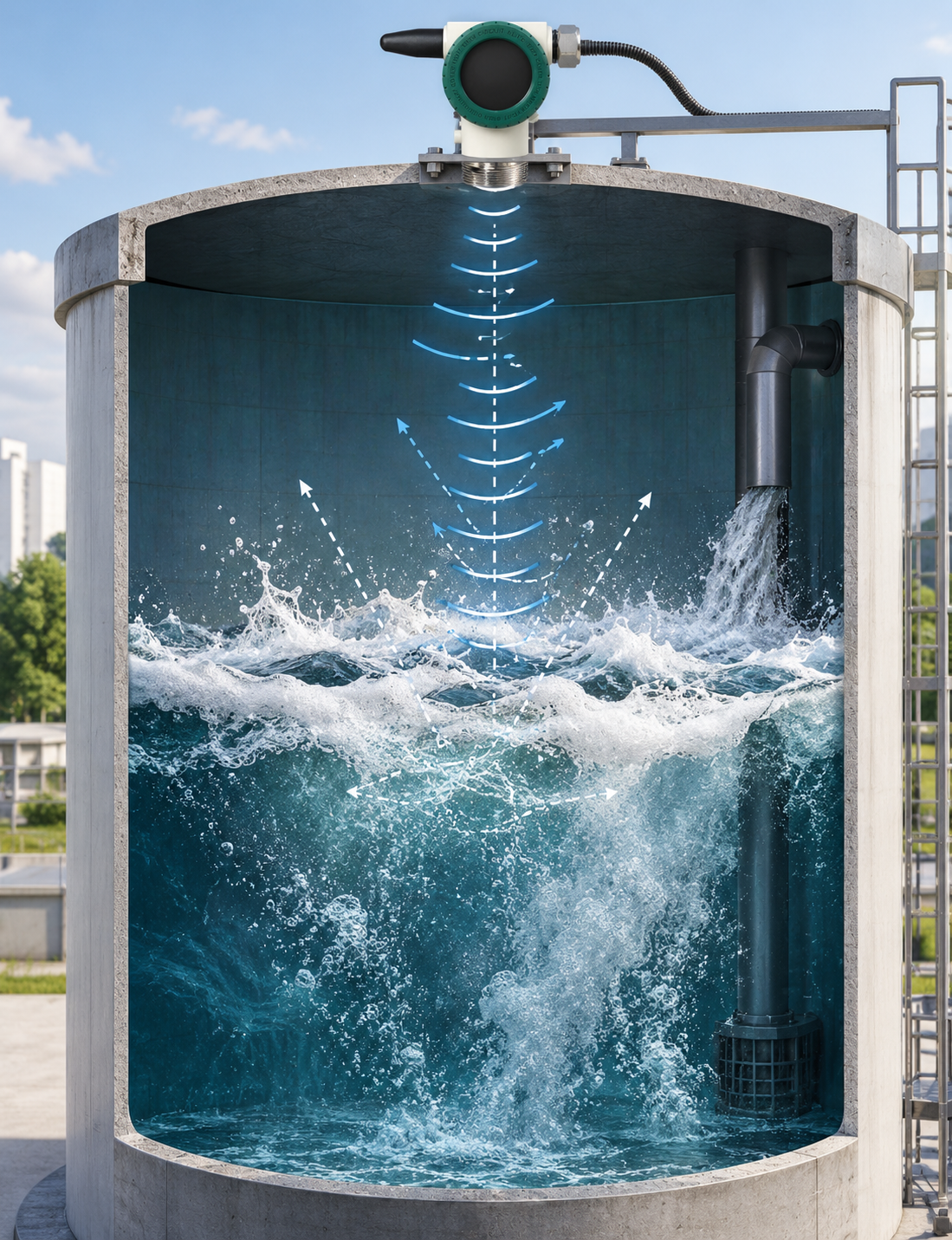
Radar water level sensors are increasingly used in residential buildings, industrial facilities, agriculture, commercial properties, and smart water management systems. These sensors provide non-contact water level measurements and help organizations automate pump operations, prevent overflow, and monitor water usage remotely.
However, even advanced radar technology can deliver inaccurate readings when the sensor is installed incorrectly. Poor installation can reduce Radar level sensor accuracy, create false alarms, and make it difficult to identify Water leakage detection problems at an early stage.
Understanding common installation mistakes can help facility managers, technicians, and system integrators achieve reliable water level monitoring.
Incorrect Sensor Positioning
One of the most common installation problems is placing the radar sensor in an unsuitable location inside the tank.
The sensor should generally be installed above the water surface with a clear path toward the bottom of the tank. If it is mounted too close to the tank wall, inlet pipe, outlet pipe, ladder, support beam, or other internal structures, the radar signal may reflect from these objects instead of the water surface.
This can result in:
-
Inconsistent water level readings
-
False high-level or low-level measurements
-
Delayed detection of actual water level changes
-
Reduced Radar level sensor accuracy
Before installation, technicians should inspect the tank structure and identify a position with minimal obstructions. A stable mounting location also helps prevent unnecessary sensor movement caused by vibration or maintenance activity.
Improper Mounting Angle
Radar sensors need to transmit and receive signals in a suitable direction. If the sensor is tilted excessively or mounted at an incorrect angle, the signal may not travel directly toward the water surface.
An improper mounting angle can cause the reflected signal to become weak or inconsistent. This is particularly problematic in deep tanks, narrow tanks, and underground water storage systems where accurate measurement depends on a stable signal path.
Common effects include:
-
Fluctuating water level values
-
Unstable readings during filling and draining
-
Difficulty maintaining Radar level sensor accuracy
-
Incorrect pump automation decisions
The mounting bracket should be secure, level, and suitable for the sensor model. Technicians should also follow the manufacturer's recommended installation distance and orientation.
Installation Too Close to the Tank Inlet
Water entering a tank creates turbulence, splashing, and waves on the water surface. Installing a radar sensor directly above the inlet can expose it to constantly changing surface conditions.
When the water surface becomes turbulent, the radar signal may scatter in different directions. The sensor can then receive multiple reflections or struggle to identify the actual water level.
This problem is common in:
-
Underground sumps
-
Industrial storage tanks
-
Rainwater harvesting tanks
-
Large apartment water tanks
To improve performance, the sensor should be positioned away from direct water inflow whenever possible. If relocation is not practical, the system should be configured to account for expected turbulence.
Poor Installation Height and Dead Zone Overlap
Every radar sensor has a minimum measurement distance, commonly called a dead zone. This is the area close to the sensor where reliable measurement may not be possible.
If the sensor is installed too close to the maximum water level, the water surface may enter the dead zone during tank filling. As a result, the sensor may fail to detect the actual level correctly or may show sudden jumps in readings.
Incorrect installation height can also cause:
-
Overflow alerts to trigger late
-
Pump shutdown commands to be delayed
-
Incorrect water consumption calculations
-
Difficulty identifying Water leakage detection problems
Technicians should verify the tank's total depth, maximum filling level, and the sensor's recommended measuring range before fixing the mounting position.
Poor Cable Routing and Environmental Protection
Although radar sensors are non-contact devices, their performance can still be affected by poor installation of cables, connectors, power supplies, and communication equipment.
Loose connections, water entering cable glands, damaged insulation, and unstable power supplies can interrupt data transmission. In outdoor or industrial environments, exposure to heat, moisture, dust, and electrical interference can further reduce system reliability.
These issues may appear as sensor inaccuracies even when the radar measurement itself is functioning correctly.
Poor connectivity can lead to:
-
Missing water level data
-
Delayed alerts
-
False communication failures
-
Incomplete historical records
-
Difficulty diagnosing Water leakage detection problems
To prevent these issues, installers should use suitable enclosures, waterproof cable glands, proper grounding, and secure communication connections.
How Installation Problems Affect Radar Level Sensor Accuracy
The relationship between installation quality and sensor performance is direct. Even a high-quality radar sensor may produce unreliable results when environmental and mounting conditions are ignored.
|
Installation Problem |
Possible Effect |
|
Incorrect positioning |
False reflections and unstable readings |
|
Improper mounting angle |
Weak or inconsistent signal returns |
|
Installation near inlet |
Turbulent water surface measurements |
|
Incorrect installation height |
Dead zone and overflow measurement issues |
|
Poor cable routing |
Data loss and communication interruptions |
Maintaining Radar level sensor accuracy requires both a reliable sensor and a carefully planned installation process.
The Connection Between Water Level Monitoring and Leakage Detection
Accurate water level data is important for identifying abnormal water loss. When a tank level decreases faster than expected, the monitoring system can help operators investigate possible leaks, damaged pipes, open valves, or unusual consumption.
However, inaccurate sensor installation can make these situations difficult to identify.
For example, if a sensor produces fluctuating readings because of poor mounting, operators may mistake measurement errors for actual water loss. Similarly, communication interruptions may create gaps in historical data, making it difficult to establish when a possible leak occurred.
This is why Water leakage detection problems are often connected to the quality of water level monitoring infrastructure.
A reliable monitoring system should compare water level changes with:
-
Pump operating schedules
-
Water consumption patterns
-
Tank filling rates
-
Historical level data
-
Expected usage across different time periods
When these data points are analyzed together, facility managers can identify unusual water loss more effectively.
Best Practices for Installing Radar Water Level Sensors
To improve sensor performance, installation teams should follow these practical guidelines:
1. Conduct a Tank Survey
Inspect the tank's dimensions, internal structures, inlet and outlet locations, and maximum water level before installation.
2. Select a Clear Measurement Path
Avoid mounting the sensor near walls, pipes, ladders, beams, or other objects that can create unwanted reflections.
3. Maintain the Recommended Mounting Height
Check the sensor's measuring range and dead zone specifications to ensure the full water level range can be measured.
4. Avoid Turbulent Areas
Position the sensor away from direct water inflow and strong surface disturbances whenever possible.
5. Secure the Mounting Structure
Use a stable bracket or mounting arrangement that prevents vibration and movement.
6. Protect Electrical Connections
Use waterproof enclosures, suitable cable glands, and secure connectors in outdoor or humid environments.
7. Test the Sensor After Installation
Compare sensor readings with manual water level measurements at different tank levels. This helps identify installation errors before the system is placed into regular operation.
How Smart Water Monitoring Platforms Improve Reliability
A smart water monitoring platform can provide additional support beyond the physical installation of the sensor. Platforms such as MyTank can collect water level data, display readings remotely, generate alerts, and support automated pump management.
When radar sensors are connected to a centralized monitoring platform, facility teams can review:
-
Current tank levels
-
Historical water level trends
-
Pump activity
-
Low-level and overflow alerts
-
Abnormal consumption patterns
-
Potential water leakage events
This makes it easier to distinguish between actual water-related issues and sensor or communication problems.
For organizations managing multiple tanks, centralized monitoring also reduces the need for frequent manual inspections. Installation teams can use historical data to verify whether sensors are functioning consistently after deployment.
Conclusion
Radar water level sensors provide accurate and reliable non-contact measurement when they are installed correctly. However, incorrect positioning, improper mounting angles, turbulent water surfaces, unsuitable installation heights, and poor cable protection can affect sensor performance.
These installation issues can reduce Radar level sensor accuracy and make Water leakage detection problems more difficult to identify.
By following proper installation practices, testing sensor performance, and connecting radar sensors to a smart monitoring platform, organizations can improve water visibility, reduce operational issues, and build a more dependable water management system.
- Digital Agency
- Literie
- Location de voitures
- Restaurant
- Restaurant
- Mode
- Mode
- Information
- Marketing
- Tourisme
- Développement
- Découverte
- Législation
- Gastronomie
- Pâtisserie
- Event
- Art
- Causes
- Crafts
- Dance
- Drinks
- Film
- Fitness
- Food
- Games
- Gardening
- Health
- Home
- Literature
- Music
- Networking
- Other
- Party
- Religion
- Shopping
- Sports
- Theater
- Wellness
 English
 Indian
 French
 Arabic
 Spanish
 Portuguese
 Deutsch
 Turkish
 Dutch
Dutch
 Italiano
 Russian
 Romaian
 Portuguese (Brazil)
 Greek
Greek
