


Lawn Grass: How to Choose the Right Grass for Your Garden
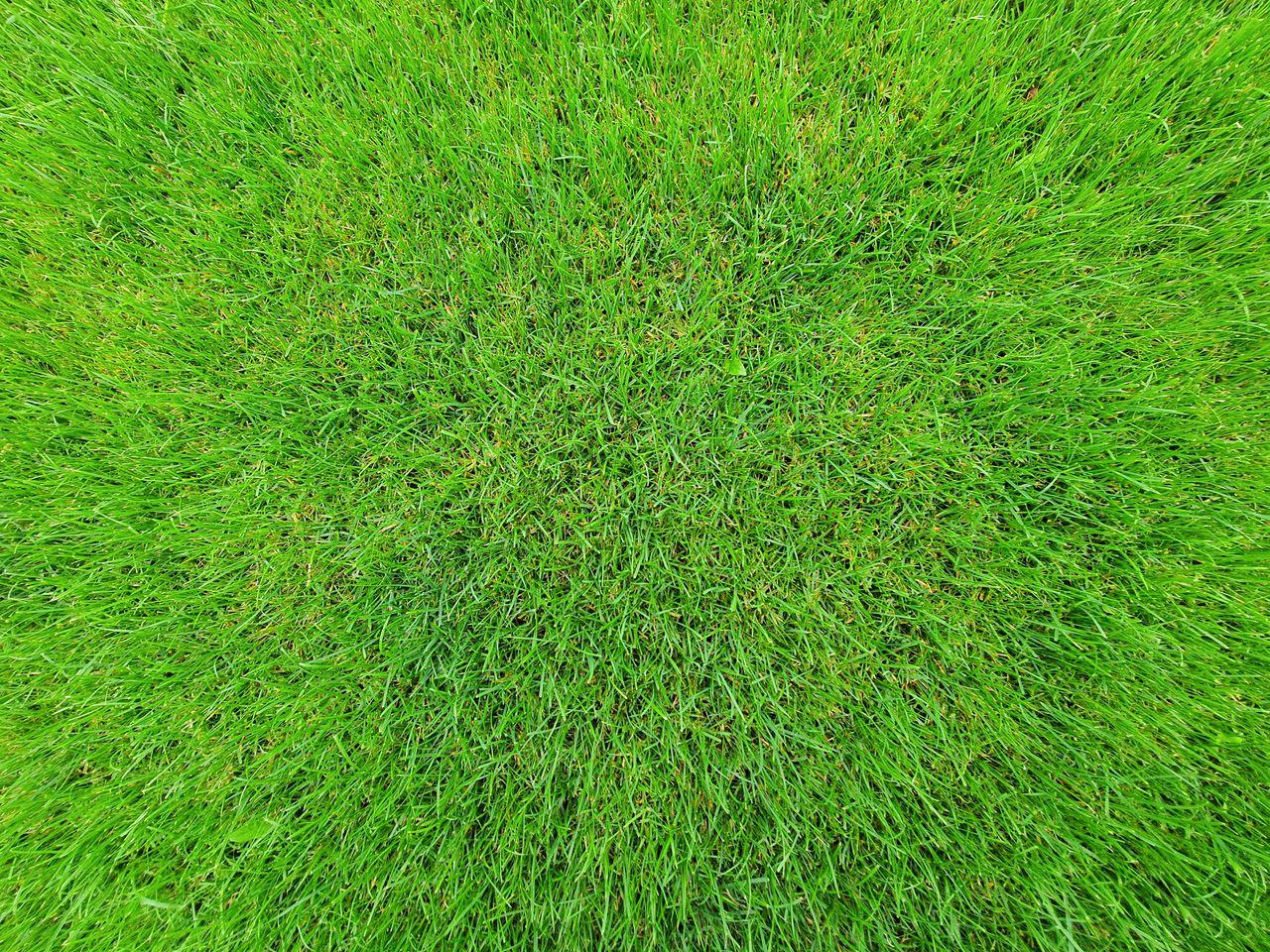
The right lawn grass depends on your climate, sunlight, soil, water availability, lawn use, and maintenance routine. Choosing grass based only on its colour or appearance often creates problems because different turfgrass species have different requirements for heat, shade, moisture, mowing, and soil conditions.
A healthy lawn starts with matching the grass species to the conditions already present in your garden.
Check Your Garden Before Choosing Lawn Grass
Your garden conditions determine which lawn grass will establish properly and remain healthy. Before buying seed, sod, or grass plugs, check these 5 factors:
- Sunlight: Record how many hours of direct sunlight reach the lawn.
- Climate: Identify whether your area has hot summers, cool winters, or both.
- Soil: Check soil texture, drainage, fertility, and pH.
- Water: Consider natural rainfall and your available irrigation.
- Foot traffic: Identify whether children, pets, vehicles, or regular walking will use the lawn.
Sunlight is particularly important because turfgrass becomes thin when light levels are too low. Some warm season grasses perform best in strong sunlight, while certain cool season grasses tolerate partial shade better.
Choose Between Warm Season and Cool Season Grass
Warm season grasses grow most actively during warm weather, while cool season grasses perform better during cooler periods. Common warm season grasses include Bermudagrass, Zoysiagrass, Centipedegrass, and St. Augustinegrass, while cool season choices include Tall Fescue, Fine Fescue, Kentucky Bluegrass, and Perennial Ryegrass.
For hot climates, warm season lawn grass generally provides better adaptation to summer conditions. For cooler climates, cool season grasses provide stronger growth during spring and autumn. The correct category depends on your regional temperatures and seasonal conditions.
Choose Bermudagrass for Hot, Sunny Gardens
Bermudagrass is a strong choice for hot, sunny gardens that experience drought and regular lawn use. It establishes quickly, handles heat well, and has good drought resistance compared with several other turfgrass options.
Its main limitation is shade. Bermudagrass performs best with substantial direct sunlight, so it is not the first choice for lawns beneath dense trees or beside buildings that block sunlight.
Choose Zoysiagrass for Dense Lawn Coverage
Zoysiagrass produces a dense lawn and combines good heat performance with better shade tolerance than Bermudagrass. It spreads through stolons and rhizomes, creating a thick turf when growing conditions are suitable.
The main tradeoff is growth speed. Zoysiagrass establishes more slowly than faster growing warm season grasses, so the lawn requires patience during establishment.
Choose Fine Fescue or Tall Fescue for Shadier Areas
Fine fescue and tall fescue are useful choices when sunlight is limited. Fine fescue species such as creeping red fescue, Chewings fescue, and hard fescue are commonly used in shade tolerant lawn mixtures.
Even shade tolerant turfgrass requires adequate light. Areas with heavy, continuous shade often remain unsuitable for conventional lawn grass and can perform better with an appropriate ground cover.
Match Grass to Water Availability
Water requirements are an important part of lawn grass selection. Drought tolerance varies considerably between turfgrass species because of differences in root systems, water use, and growth characteristics.
For a low irrigation garden, select a grass adapted to your local climate and drought conditions rather than choosing a species that needs frequent watering. Proper mowing also helps grass handle moisture stress because removing excessive leaf tissue reduces the plant's ability to maintain healthy growth.
Check Soil Before Planting Lawn Grass
Soil testing provides useful information about pH and nutrient availability before planting. Different turfgrass species perform within different soil pH ranges, so correcting soil conditions without testing can lead to unnecessary amendments.
Also check drainage. Waterlogged soil creates poor growing conditions even when the selected grass is otherwise suitable for your climate.
Choose Lawn Grass Based on Your Garden
The best lawn grass is the species that matches your garden's climate, sunlight, soil, water supply, and intended use.
Use this simple selection guide:
- Hot and sunny garden: Consider Bermudagrass.
- Hot garden with some shade: Consider suitable Zoysiagrass varieties.
- Cool climate: Consider Tall Fescue, Fine Fescue, or Kentucky Bluegrass.
- Partially shaded garden: Consider Fine Fescue based on local growing conditions.
- Heavy shade: Consider alternatives to conventional turfgrass.
Selecting grass this way creates a lawn that fits the environment instead of forcing the garden to support unsuitable turf. Once the grass type matches the site, mowing, watering, feeding, and seasonal maintenance become much easier to manage.
- Digital Agency
- Literie
- Location de voitures
- Restaurant
- Restaurant
- Mode
- Mode
- Information
- Marketing
- Tourisme
- Développement
- Découverte
- Législation
- Gastronomie
- Pâtisserie
- Etkinlik
- Art
- Causes
- Crafts
- Dance
- Drinks
- Film
- Fitness
- Food
- Oyunlar
- Gardening
- Health
- Ana sayfa
- Literature
- Music
- Networking
- diğer
- Party
- Religion
- Shopping
- Sports
- Theater
- Wellness
 Turkish
 Indian
 English
 French
 Arabic
 Spanish
 Portuguese
 Deutsch
 Dutch
Dutch
 Italiano
 Russian
 Romaian
 Portuguese (Brazil)
 Greek
Greek
