


What Types of Gold Can You Sell? Jewelry, Coins, Bars, Scrap, and More
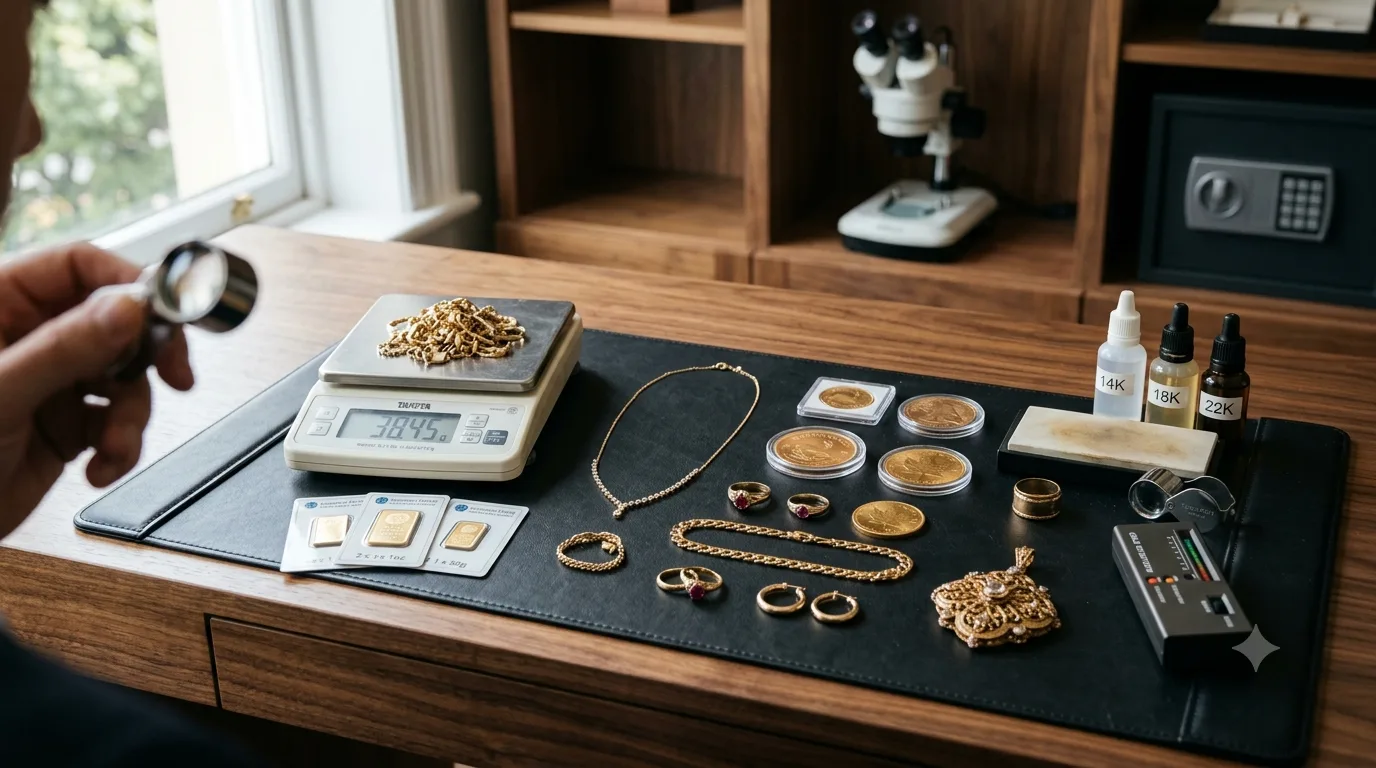
If you want to sell gold, you may be surprised by how many different types of gold items have value. Old jewelry, broken chains, gold coins, bars, dental gold, and even some specialty items may be worth money.
However, not every gold item is valued in the same way. A broken gold chain may be sold mainly for its melt value. A rare gold coin could be worth much more than the gold inside it. A designer ring may also have extra value because of its brand, stones, design, or age.
The main rule is simple: gold value depends on purity, weight, current market price, condition, and buyer demand.
Before selling, it is important to understand what type of gold you have and which buyer is best for that item.
Understanding Melt Value, Resale Value, and Collector Value
Before you sell gold, you should understand that an item can have different types of value.
Melt Value
Melt value is the value of the actual gold metal inside an item. Buyers calculate this using the item's weight, gold purity, and current gold price.
For example, a broken 18K gold chain may be worth mainly its melt value if it has no special design or brand value.
Resale Value
Resale value is what another person may pay for the finished item. A beautiful gold ring in good condition may sell for more than its melt value because someone can wear it again.
Collector Value
Collector value is extra value based on rarity, history, age, brand, condition, or demand.
For example, an old rare gold coin may have a much higher collector value than its metal value.
Gold prices also change with the daily market. Most professional buyers will test gold before making an offer. Two items with the same weight can receive very different prices because purity, design, brand, and buyer demand can all affect the final offer.
Gold Jewelry Can Sell for Its Metal, Design, or Brand
Gold jewelry is one of the most common items people sell.
Most gold buyers accept:
- Gold rings
- Gold necklaces
- Gold bracelets
- Gold earrings
- Gold brooches
- Gold pendants
- Gold watches
- Broken jewelry
- Single earrings
- Mismatched pieces
Even damaged jewelry can still have value because the gold itself can be refined and reused.
Broken and Scrap Gold Jewelry
A broken chain may no longer be wearable, but the gold does not lose its metal value simply because the chain is damaged.
Bent rings, damaged earrings, broken bracelets, and old jewelry with missing stones may all be sold as scrap gold.
In most cases, scrap gold is valued mainly by:
- Weight
- Purity
- Current gold price
Gold-Plated and Gold-Filled Items
Gold-plated items usually contain only a thin layer of gold. Because the gold content is very low, these items often have little resale value as gold.
Gold-filled items may contain more gold than gold-plated pieces. However, the amount of gold can still vary, so professional testing is important.
Never assume an item is solid gold based only on its colour or appearance.
How Gold Karat Marks Affect What You Receive
Gold purity is one of the most important factors when you sell gold.
Common gold purity levels include:
- 24K gold: About 99.9% pure gold
- 22K gold: About 91.7% pure gold
- 18K gold: 75% pure gold
- 14K gold: About 58.3% pure gold
- 10K gold: About 41.7% pure gold
You may also find number markings on gold items.
Common marks include:
- 999 or 24K
- 916 or 22K
- 750 or 18K
- 585 or 14K
- 417 or 10K
A stamp can give you a useful starting point, but professional buyers usually test the item as well.
This is important because stamps can be worn down, missing, or incorrect.
Scrap Jewelry vs Branded and Antique Jewelry
Not all gold jewelry should be sold as scrap.
A plain broken 14K gold chain is usually priced mainly by its gold content.
However, a signed vintage gold bracelet of similar weight may be worth much more if it has:
- A famous brand
- Antique value
- A rare design
- Original gemstones
- Strong collector demand
Luxury brands such as Cartier or Tiffany & Co. may have strong resale value. Antique and signed jewelry may also need a specialist appraisal before selling.
Important tip: Do not immediately sell valuable jewelry to a cash-for-gold buyer without checking the item's brand, age, stones, and condition first.
The right buyer could pay much more than a standard scrap gold buyer.
Gold Coins and Bars May Earn More Than Melt Value
Gold coins and bars are also popular items for sellers. However, you need to know whether your item is bullion or collectible.
Bullion Coins and Bars
Bullion is usually valued mainly for its gold content.
Common gold bullion products include:
- American Gold Eagle
- Canadian Gold Maple Leaf
- South African Krugerrand
- Gold Britannia
- One-ounce gold bars
- Smaller gold bars
Bullion buyers usually consider:
- Gold weight
- Gold purity
- Current gold price
- Brand or mint
- Product demand
Collectible Gold Coins
Some gold coins are worth more because they are rare or collectible.
These are often called numismatic coins.
Their value may depend on:
- Rarity
- Age
- Condition
- Coin grade
- Mint mark
- Historical importance
- Collector demand
A rare coin can sell for much more than its melt value.
This is why you should not treat every gold coin as scrap.
Spot Price, Premiums, and Dealer Spreads
Understanding a few simple terms can help you compare offers.
Spot Price
The spot price is the current market price of gold.
Gold prices can change throughout the day, so always check the current market price before selling.
Premium
A premium is an extra amount added to the value of a gold product.
Premiums can be affected by:
- Minting costs
- Refining
- Packaging
- Product demand
- Brand reputation
Dealer Spread
The dealer spread is the difference between what a dealer sells an item for and what they are willing to pay to buy it.
Buyers may offer less than the full spot price because they need to cover testing, refining, business costs, and profit.
A simple melt value formula is:
Estimated Melt Value = Weight × Purity × Current Gold Price
For example, a 10-gram 18K gold item contains approximately 7.5 grams of pure gold.
The final offer will depend on the current gold price and the buyer's costs or margin.
Condition and Documentation Can Affect Gold Coin Value
Condition is very important for collectible coins.
The following items may help support value:
- Original packaging
- Certificates
- Purchase receipts
- Clear mint marks
- Professional grading documents
Scratches and damage can reduce the value of proof and collector coins.
Do not clean old coins before selling them.
Cleaning may damage the surface and reduce collector value.
For example, a common one-ounce bullion coin may sell close to its gold value. A rare historical gold coin may sell for much more because collectors value its rarity and history.
Before selling an old coin, research it or speak with a trusted coin specialist.
Scrap, Dental, and Specialty Gold Can Still Have Value
Many people have gold items that are damaged or no longer useful.
These may include:
- Broken chains
- Bent rings
- Worn earrings
- Single cufflinks
- Jewelry with missing stones
These items can still have strong gold value.
Most buyers will:
- Weigh the item.
- Test the gold purity.
- Remove or exclude non-gold parts.
- Calculate the actual gold content.
- Make an offer based on the gold value.
Dental Gold
Some dental crowns, bridges, and other dental materials may contain gold alloys.
However, dental gold is usually not pure gold. It may contain other metals, so professional testing is important.
Do not attempt to process or refine dental gold yourself.
Also, only remove attached non-metal materials when it is safe and appropriate.
Gold-Plated Electronics
Some electronics and connectors contain small amounts of gold.
However, the gold content is usually too small for most individuals to recover profitably.
Never burn electronics or use dangerous chemicals to recover gold at home. Professional refining is much safer.
Why Gold Purity Testing Matters
Gold appearance can be misleading.
An item may look like solid gold but actually be plated. Another item may contain a mixture of gold and other metals.
This is why professional buyers may use:
- Acid testing
- Electronic gold testers
- X-ray fluorescence testing
- Other professional testing methods
Purity testing helps buyers calculate the actual amount of gold in an item.
For scrap gold, purity is often more important than appearance.
Choose the Right Buyer for Your Gold
The best place to sell gold depends on what you are selling.
Local Gold Dealer
A local gold dealer can be useful for:
- Gold jewelry
- Broken jewelry
- Scrap gold
- Small gold items
This option may provide a fast offer and payment.
Refiner
A refiner may be useful for:
- Larger scrap lots
- Mixed gold
- Commercial quantities
Coin Dealer
A specialist coin dealer may be the best choice for:
- Bullion coins
- Rare coins
- Collectible coins
Jewelry Buyer or Auction House
These buyers may be better for:
- Designer jewelry
- Antique jewelry
- High-value pieces
- Signed jewelry
Online Marketplace
Selling online may sometimes bring a higher price, but there can also be:
- Selling fees
- Shipping costs
- Payment delays
- Scams
- Return risks
Pawnshop
Pawnshops can offer fast cash, but the offer may be lower than what a specialist buyer could pay.
How to Prepare Before You Sell Gold
Preparation can help you understand your items and compare offers.
Before selling, gather:
- Receipts
- Certificates
- Appraisals
- Original boxes
- Original packaging
You can also weigh your gold at home, but treat home scales as estimates.
Check stamps with a magnifying glass and separate your items into groups:
- Jewelry
- Coins
- Bars
- Dental gold
- Plated items
Photograph valuable items before shipping or handing them to a buyer.
Do not remove gemstones unless a professional advises you to do so.
Compare Offers and Avoid Common Traps
For valuable gold items, try to get at least three offers.
Ask each buyer whether their offer is based on:
- Melt value
- Resale value
- Collector value
Also ask about:
- Testing fees
- Shipping costs
- Commissions
- Refining charges
- Return terms
- Payment methods
Watch for warning signs such as:
- Pressure to accept immediately
- Vague purity testing
- Offers based only on weight
- Unclear deductions
- No written terms
Always understand how the buyer calculated their offer.
A Simple 14K Gold Valuation Example
Imagine you have 20 grams of 14K gold jewelry.
14K gold contains approximately 58.3% pure gold.
Estimated pure gold content:
20 grams × 58.3% = 11.66 grams of pure gold
The buyer will then consider the current gold price.
However, the final offer may be lower than the full calculated value because of:
- Refining costs
- Testing costs
- Business margin
- Non-gold parts
This example is only an estimate and does not guarantee a final selling price.
Why Sorting Gold Before Selling Can Increase Your Payout
Imagine a family inherits:
- Mixed gold jewelry
- An old gold coin
- A branded gold watch
The wrong approach would be to sell everything as scrap in one lot.
A better approach would be to:
- Test the jewelry for purity.
- Research the old coin.
- Have the watch checked by a brand specialist.
- Compare offers from the right type of buyer.
The coin may have collector value.
The watch may have strong brand value.
The jewelry may be best sold for resale or scrap.
The key lesson is simple: sorting your gold before selling can help you receive a better overall price.
Sell Gold Based on Its Type, Not Just Its Weight
When you want to sell gold, do not focus only on the weight.
The type of item is also very important.
Here is a simple guide:
- Sell plain or damaged jewelry as scrap when it has no extra resale value.
- Sell bullion coins and bars to precious metal dealers.
- Sell rare coins through a trusted coin specialist.
- Sell branded and antique jewelry through a specialist buyer.
- Treat dental gold as an alloy that needs professional testing.
- Do not assume gold-plated items have significant value.
Final Seller Checklist
Before you sell gold, follow these simple steps:
- Identify the item.
- Confirm its gold purity.
- Record its weight.
- Check the current gold price.
- Look for brand or collector value.
- Check the item's age and condition.
- Get several offers.
- Ask how the buyer calculated the price.
- Review all fees and payment terms.
- Keep receipts and records of the sale.
Final Thoughts
Gold comes in many forms, and each type may need a different selling method.
A broken chain may be best sold for its melt value. A gold bar may be better sold to a bullion dealer. A rare coin may need a specialist. A designer or antique jewelry piece could be worth much more to the right buyer.
The most important thing to remember is this: the right buyer matters as much as the gold itself.
Before you sell gold, take time to identify what you have, confirm its purity, research its possible resale or collector value, and compare multiple offers.
By selling each item through the right channel, you can better understand its true value and improve your chances of receiving a fair offer.
- Digital Agency
- Literie
- Location de voitures
- Restaurant
- Restaurant
- Mode
- Mode
- Information
- Marketing
- Tourisme
- Développement
- Découverte
- Législation
- Gastronomie
- Pâtisserie
- Eveniment
- Art
- Causes
- Crafts
- Dance
- Drinks
- Film
- Fitness
- Food
- Jocuri
- Gardening
- Health
- Acasă
- Literature
- Music
- Networking
- Alte
- Party
- Religion
- Shopping
- Sports
- Theater
- Wellness
 Romaian
 Indian
 English
 French
 Arabic
 Spanish
 Portuguese
 Deutsch
 Turkish
 Dutch
Dutch
 Italiano
 Russian
 Portuguese (Brazil)
 Greek
Greek
