3D printing has evolved rapidly, and modern machines are making the technology more accessible to professionals, businesses, educators and hobbyists. Among the brands gaining attention in the industry, a Bambu Lab 3D printer is known for combining automation, speed and user-friendly features with modern 3D printing capabilities.
For anyone considering an upgrade from a basic machine or looking for a reliable printer for regular projects, understanding the features and applications of Bambu Lab printers can help in making an informed decision. From rapid prototyping to creative projects, these printers can support a wide variety of 3D printing requirements.
What Is a Bambu Lab 3D Printer?
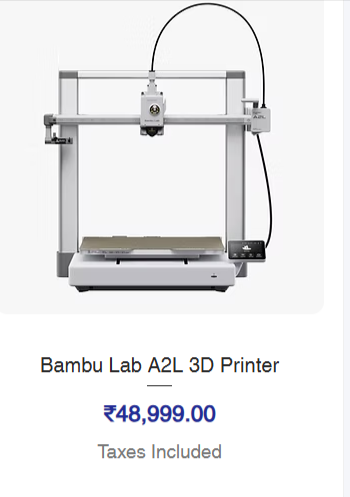
A Bambu Lab 3D printer is a modern 3D printing system designed to simplify the printing process while providing speed, precision and automation.
Bambu Lab offers different printer models aimed at different users and applications. Depending on the model, features may include automated calibration, advanced motion systems, remote monitoring, multi-colour or multi-material capabilities and intelligent print management.
These features can make the printing experience more convenient, particularly for users who want to spend less time manually adjusting their machine.
Why Are Bambu Lab Printers Popular?
Traditional 3D printing can sometimes involve manual calibration, adjustments and troubleshooting. Modern printers aim to reduce some of these challenges through automation.
Bambu Lab machines are designed with features that can simplify common printing tasks. Automated calibration and intelligent monitoring can help users achieve more consistent results without requiring extensive manual intervention.
This can be particularly useful for businesses and professionals who want to focus more on designing and producing models rather than repeatedly adjusting printer settings.
High-Speed 3D Printing
One of the features that attracts users to Bambu Lab printers is their focus on fast printing.
For hobbyists, faster printing can mean spending less time waiting for a project to finish. For businesses, improved productivity can help shorten prototype development cycles.
However, printing speed should always be considered alongside print quality, material compatibility and reliability. The ideal settings depend on the model, material and type of object being printed.
Automated Calibration
Calibration is an important part of successful 3D printing. Incorrect calibration can contribute to issues such as poor first layers, inconsistent adhesion or dimensional inaccuracies.
Modern Bambu Lab printers incorporate automation designed to reduce the amount of manual calibration required.
This can make the machines more approachable for beginners while also saving time for experienced users who regularly produce multiple prints.
Multi-Colour and Multi-Material Printing
Depending on the selected model and setup, Bambu Lab systems can support multi-colour or multi-material printing.
This can be useful for models that require different colours, materials or visual elements. Designers can create more complex and visually interesting prototypes without manually changing filament throughout the print.
For educational projects, product demonstrations and creative models, this capability can add significant flexibility.
Applications of Bambu Lab Printers
A Bambu Lab 3D printer can be used for a wide range of applications.
Rapid prototyping: Designers and engineers can quickly turn digital concepts into physical models.
Product development: Businesses can test different design versions before moving towards final manufacturing.
Education: Schools and colleges can use 3D printers for engineering, design and STEM projects.
Hobby projects: Enthusiasts can create models, customised objects and creative designs.
Functional components: Depending on the printer and material, users can produce useful parts and prototypes for different applications.
Choosing the Right Model
Different Bambu Lab models are designed for different requirements, so buyers should consider their specific needs before making a decision.
Think about the size of objects you want to print, the materials you plan to use and whether you require multi-colour printing.
Printing frequency is another consideration. Someone printing occasionally may have different requirements from a business operating its printer every day.
It is also worth considering the available workspace, software compatibility and expected future requirements.
Materials and Filament
A printer is only as useful as the materials available for your application. Bambu Lab-compatible filament options can include different thermoplastic materials, depending on the printer and intended use.
PLA is widely used for general-purpose models and prototypes, while materials such as PETG, ABS and specialised engineering filaments can be suitable for applications requiring different characteristics.
Always check the printer's specifications and recommended settings before using a particular material.
Bambu Lab for Professional Applications
Businesses can benefit from the combination of speed and automation offered by modern 3D printing systems.
Design teams can use printers to create prototypes internally, allowing them to test ideas and make modifications without waiting for external manufacturing.
This can help reduce development time and make the design process more flexible.
For businesses that produce prototypes frequently, having a reliable printer available in-house can become an important part of the product development workflow.
Bambu Lab for Beginners
Modern automation can also make Bambu Lab printers appealing to people who are new to 3D printing.
Features designed to simplify calibration, setup and monitoring can reduce some of the technical challenges beginners may encounter.
However, users should still learn basic concepts such as slicing, bed adhesion, filament selection, support structures and temperature settings. Understanding these fundamentals can help users get better results and troubleshoot problems when they occur.
Why Choose Hydrotech?
Hydrotech provides 3D printing equipment, materials and related solutions for different applications.
If you are considering a Bambu Lab 3D printer, it is useful to evaluate your printing requirements before selecting a specific model. Factors such as build volume, materials, speed, automation and intended application can all influence the right choice.
Hydrotech can help customers explore suitable 3D printing solutions and related materials according to their requirements.
Things to Consider Before Buying
Before purchasing a Bambu Lab printer, consider:
- What size objects will you print?
- Which materials do you need?
- Do you require multi-colour or multi-material printing?
- How frequently will you use the printer?
- What level of automation do you prefer?
- Do you need remote monitoring?
- What level of technical support is available?
- Will the printer meet your future requirements?
Answering these questions can help you choose a machine that provides better long-term value.
Final Thoughts
A Bambu Lab 3D printer can be an attractive option for users looking for a modern printing experience that combines automation, speed and versatility. Its potential applications range from hobby projects and education to professional prototyping and product development.
Before choosing a model, consider your required build volume, materials, print frequency, level of detail and desired features. The best printer is one that matches your actual workflow rather than simply having the most advanced specifications.
For businesses, designers, engineers, educators and enthusiasts exploring modern 3D printing, Hydrotech provides access to 3D printing solutions and materials designed for different applications.
FAQs
1. What is a Bambu Lab 3D printer?
It is a modern 3D printing system designed with features focused on speed, automation, ease of use and reliable printing.
2. Are Bambu Lab printers suitable for beginners?
Many models include automated features that can make 3D printing easier for beginners, although learning basic printing concepts is still recommended.
3. Can Bambu Lab printers produce multi-colour models?
Selected models and compatible setups can support multi-colour or multi-material printing.
4. What materials can be used with Bambu Lab printers?
Material compatibility varies by model. Common 3D printing materials can include PLA, PETG, ABS and other specialised filaments.
5. Can businesses use Bambu Lab printers?
Yes. They can be used for prototyping, product development, design testing and various professional applications.
6. What should I consider before buying a Bambu Lab 3D printer?
Consider build volume, material requirements, printing speed, automation, multi-colour capabilities, frequency of use and the type of projects you plan to create.



 English
 Indian
 French
 Arabic
 Spanish
 Portuguese
 Deutsch
 Turkish
 Dutch
Dutch
 Italiano
 Russian
 Romaian
 Portuguese (Brazil)
 Greek
Greek
