


PU Grouting for Effective Water Leakage Control
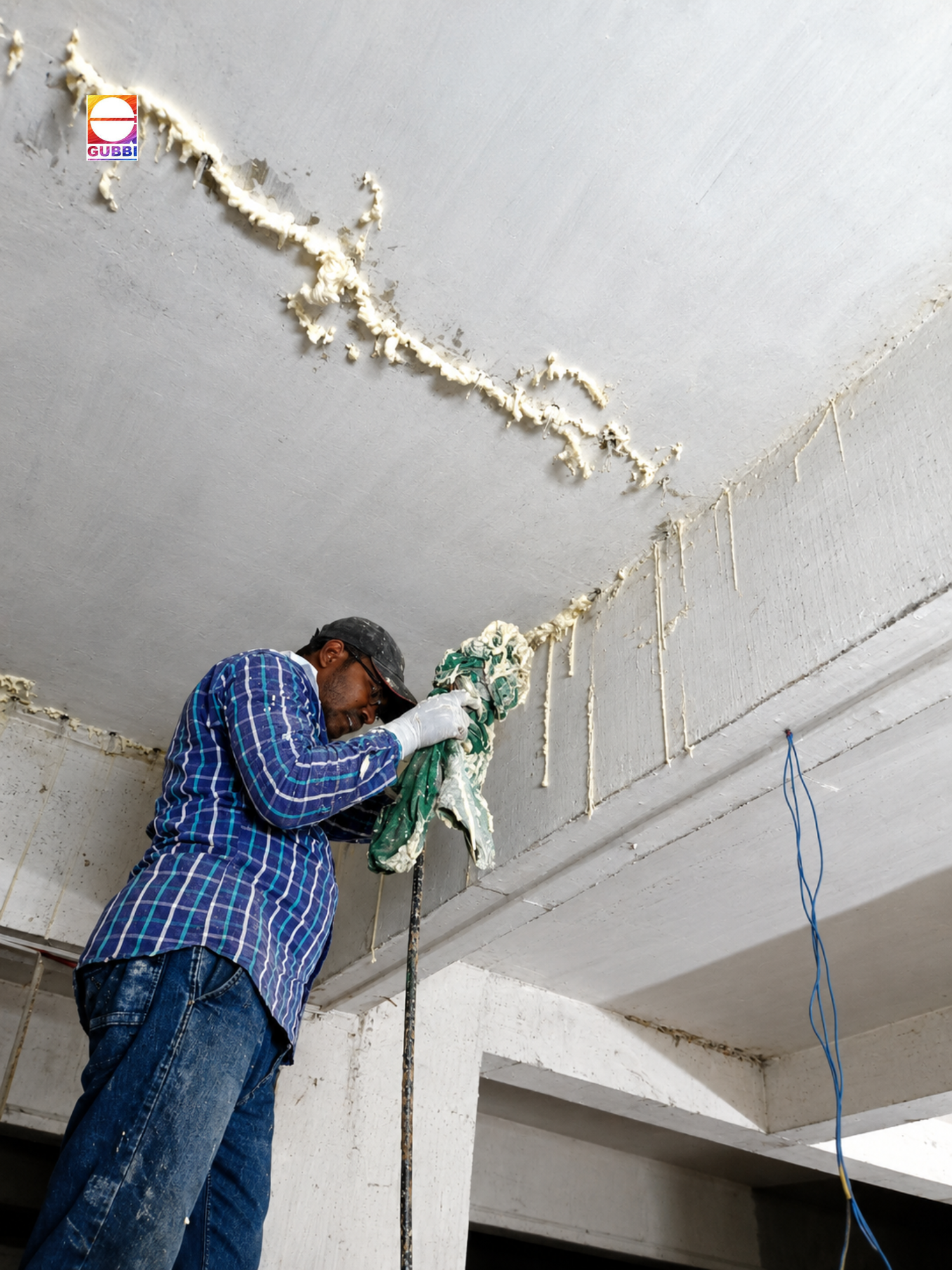
Existing buildings and infrastructure can develop cracks, leakage, concrete deterioration, and structural deficiencies due to aging, environmental exposure, increased loading, and changes in usage. Retrofitting services help improve the safety and performance of affected structures, while specialized repair methods address individual problems. Among these methods, PU grouting and injection-based treatments are widely used when water leakage, cracks, joints, and internal voids require targeted attention.Structural repair is rarely about treating only what is visible on the surface. A leaking crack may indicate water movement through the concrete, while deterioration may continue internally around reinforcement and other affected areas. This makes proper assessment essential before selecting a repair method. PU injection grouting can help control suitable leakage pathways, whereas structural retrofitting may be required when the structure needs additional strength or improved performance.
Understanding the Difference Between Retrofitting and Grouting
Structural retrofitting and injection grouting serve different purposes, although both can form part of a larger rehabilitation strategy. Retrofitting focuses on improving the capacity or performance of an existing structure through strengthening techniques such as jacketing, CFRP strengthening, beam strengthening, slab strengthening, or foundation improvement. Grouting, on the other hand, is generally used to treat suitable cracks, voids, joints, and leakage paths.
The correct solution depends on the actual condition of the structure. A water leakage problem does not automatically mean that major retrofitting is required, and a structurally weak member cannot always be restored simply through crack injection. Engineering assessment helps identify whether the primary requirement is waterproofing, concrete repair, structural strengthening, or a combination of multiple treatments for long-term performance and durability.
What Is PU Grouting?
PU grouting, also called polyurethane grouting, is an injection technique commonly used for controlling water ingress through suitable cracks, joints, and voids. Polyurethane material is injected under controlled conditions into the affected area. Depending on the selected material and site conditions, the grout can react with moisture and expand within the leakage pathway, helping create an internal seal against water movement.
This technique is commonly considered when conventional surface-level waterproofing cannot adequately reach the source of water ingress. Because the material is introduced into internal pathways, PU injection grouting can address leakage from within the affected zone. However, the selection of polyurethane material, injection points, pressure, and methodology should depend on crack conditions, moisture levels, water pressure, accessibility, and structural requirements.
Why PU Injection Grouting Is Used for Water Leakage
Water can enter concrete structures through cracks, construction joints, expansion joints, porous zones, and other internal pathways. In basements, lift pits, retaining walls, tunnels, and water-exposed structures, continuous water ingress can create operational and durability concerns. PU injection grouting is often selected for suitable active leakage conditions because the injected material can travel into internal spaces that surface treatments may not effectively reach.
Controlling leakage at an early stage can also support the overall maintenance of a structure. Continuous moisture exposure may contribute to concrete deterioration and reinforcement corrosion when underlying conditions remain untreated. For this reason, identifying the water path is as important as stopping the visible leak. Professional injection work focuses on understanding where water is travelling before determining an appropriate grouting arrangement and repair methodology.
How the PU Injection Grouting Process Works
The process generally begins with an inspection of the affected structure. Engineers or experienced technicians identify visible cracks, leakage points, construction joints, and possible water pathways. Suitable injection locations are then planned according to the condition of the concrete and the nature of the defect. Small holes may be drilled where required, followed by the installation of injection packers for controlled material delivery.
Once the preparation is complete, polyurethane grout is injected using suitable equipment and controlled pressure. The material moves through accessible cracks, joints, or voids and reacts according to its chemical properties and site conditions. Injection is monitored carefully to avoid unnecessary material loss and to improve penetration into the targeted zone. After treatment, packers may be removed and surface finishing work can be completed.
Common Applications of PU Grouting
PU grouting is used across different types of structures where suitable water leakage pathways need internal sealing. Basements are among the common applications because groundwater pressure can force water through cracks and joints. Lift pits, retaining walls, underground structures, tunnels, slabs, and RCC walls may also require specialized injection treatments depending on their condition and exposure environment.
Industrial and commercial properties may experience leakage around construction joints, service penetrations, foundations, and concrete members exposed to continuous moisture. In these situations, selecting the right repair approach is important because every leakage problem behaves differently. The size of the crack, water pressure, structural movement, substrate condition, and accessibility should all be considered before deciding whether PU grouting is suitable.
The Role of Injection Grouting Contractors
Experienced injection grouting contractors play an important role because grouting is not simply a process of pumping material into a crack. Successful treatment depends on identifying the cause of the defect, selecting an appropriate grout, determining injection locations, and controlling the application process. Incorrect pressure, unsuitable materials, or poor injection sequencing can reduce the effectiveness of the repair and leave underlying pathways untreated.
Professional contractors evaluate the condition of cracks, voids, leakage zones, and surrounding concrete before recommending a suitable methodology. Different situations may require PU grouting, epoxy injection, cement grouting, or microfine cement grouting. The correct material depends on the purpose of treatment rather than simply choosing the most commonly used product for every project.
PU Grouting and Structural Retrofitting Services
PU grouting and retrofitting services can be part of the same rehabilitation project, but they address different engineering requirements. For example, a deteriorated industrial building may experience water leakage along with concrete damage and reduced structural capacity. PU injection may help control suitable water pathways, while concrete repair and strengthening methods may address the structural deficiencies identified during assessment.
This integrated approach is particularly useful for aging commercial buildings, industrial facilities, infrastructure assets, and RCC structures. Repairing only the visible symptoms may not provide a complete solution when deterioration has multiple causes. A properly planned rehabilitation strategy can combine leakage treatment, concrete restoration, corrosion control, crack repair, and structural strengthening according to the technical requirements of the structure.
When Is Structural Retrofitting Required?
Structural retrofitting may be considered when an existing structure requires improved load-carrying capacity, enhanced performance, or strengthening due to identified deficiencies. Increased operational loads, changes in building usage, deterioration, seismic requirements, or modifications to the original structure can create conditions where strengthening solutions become necessary. The appropriate method depends on detailed engineering assessment and project-specific requirements.
Common retrofitting methods can include RCC jacketing, micro-concrete jacketing, steel jacketing, carbon fiber strengthening, beam strengthening, slab strengthening, and foundation strengthening. These methods are selected according to the affected structural member and the desired performance improvement. Retrofitting should therefore be treated as an engineered strengthening process rather than a general surface repair or cosmetic maintenance activity.
PU Grouting for Basements and Underground Structures
Basement leakage is a major concern because underground structures are continuously exposed to soil moisture and groundwater conditions. Water can enter through cracks, construction joints, wall-floor junctions, and other discontinuities. Surface waterproofing may not always address internal water pathways, particularly when access to the external side of the structure is difficult or impossible.
PU injection grouting can be considered for suitable basement leakage conditions because it targets cracks and joints internally. Injection points are planned around the affected area, allowing the grout to enter accessible water pathways. Proper diagnosis remains important because recurring leakage may involve hydrostatic pressure, structural movement, failed joints, or multiple interconnected cracks requiring a broader waterproofing and repair strategy.
PU Grouting for RCC Cracks and Joints
RCC structures can develop cracks for several reasons, including shrinkage, thermal movement, settlement, environmental exposure, loading conditions, and structural distress. Not every crack requires the same repair method. Some cracks may be non-structural, while others may require detailed evaluation because they affect the performance or durability of the structure.
Where water is travelling through suitable cracks or joints, PU grouting may be considered as a leakage-control method. Where structural bonding and restoration are required, other methods such as epoxy injection may be more appropriate depending on engineering evaluation. Understanding the purpose of repair is therefore essential before selecting a grouting system.
Factors That Determine the Right Grouting Method
There is no universal grouting solution for every building or infrastructure problem. Material selection should depend on the characteristics of the defect and the required outcome. Crack width and depth, the presence of active water, substrate condition, structural significance, expected movement, void size, accessibility, and environmental exposure can all influence the recommended treatment.
For example, PU grouting is commonly associated with suitable water ingress and leakage-control applications, while epoxy injection may be selected for suitable concrete crack repair requirements. Cementitious and microfine cement grouting can address other void filling, consolidation, or stabilization applications. This makes professional assessment essential before beginning injection work.
Benefits of Choosing Professional Injection Grouting Contractors
Professional execution can improve the reliability of a grouting project by ensuring that the treatment is based on site conditions rather than assumptions. Experienced teams understand material behavior, injection equipment, pressure control, packer placement, and repair sequencing. They can also coordinate grouting with waterproofing, concrete repair, and structural rehabilitation when multiple problems are present within the same structure.
For industrial and commercial facilities, proper planning can also help reduce unnecessary disruption during repair work. Injection grouting can often be performed with localized access compared with extensive demolition required for some conventional repair approaches. However, the actual project method should always depend on structural conditions, safety requirements, operational restrictions, and the scope of the identified defects.
How to Choose the Right Retrofitting and Grouting Contractor
When selecting contractors for retrofitting services or injection grouting, technical capability should be a major consideration. The contractor should understand structural assessment, repair methodology, material selection, and the practical challenges involved in working on existing structures. A detailed evaluation before execution is generally more valuable than applying the same repair method to every crack or leakage problem.
Project experience across industrial, commercial, and infrastructure environments can also be important when complex access conditions or operational requirements are involved. The contractor should be able to integrate different services where necessary, including structural strengthening, concrete repair, waterproofing, crack treatment, and grouting. This creates a more coordinated approach to rehabilitation and long-term asset maintenance.
Why Treating the Root Cause Matters
Stopping visible water leakage does not always mean that the underlying problem has been completely resolved. Water may travel through interconnected cracks or joints before appearing at a visible location. Similarly, concrete deterioration may continue if moisture exposure, corrosion, or structural deficiencies are not properly addressed. Effective repair planning therefore begins with identifying the cause rather than treating only the final symptom.
A root-cause approach can help determine whether PU grouting alone is sufficient or whether additional waterproofing and structural repair measures are required. This is especially important for aging RCC structures, industrial plants, basements, bridges, and infrastructure where multiple deterioration mechanisms may affect long-term performance and serviceability.
Retrofitting and Grouting for Industrial Structures
Industrial structures often operate under demanding conditions involving vibration, heavy equipment, chemical exposure, moisture, increased loading, and continuous operations. Over time, these conditions can contribute to concrete deterioration, cracking, leakage, and structural deficiencies. A comprehensive repair strategy may include retrofitting services, concrete restoration, protective coatings, waterproofing, and specialized grouting methods.
Because operational shutdowns can affect production, industrial repair projects require careful planning and execution. Engineers must consider accessibility, safety, equipment movement, and the working environment before beginning treatment. Grouting can be integrated into larger rehabilitation projects where cracks, voids, or water ingress need attention before or alongside structural repair and strengthening work.
Long-Term Maintenance After PU Grouting and Retrofitting
Repair work should be supported by regular inspection and maintenance to identify future problems at an early stage. Structures exposed to moisture, chemicals, environmental conditions, or heavy operational loads may require periodic assessment. Monitoring cracks, checking leakage conditions, and inspecting repaired concrete can help property owners plan maintenance before small defects develop into larger rehabilitation requirements.
For retrofitted structures, continued monitoring can also confirm that the repaired areas remain in suitable condition under service loads. Long-term durability depends not only on the initial repair method but also on controlling future deterioration factors. Proper drainage, waterproofing maintenance, corrosion protection, and timely concrete repairs can support the overall performance of the structure.
Professional For Structural Repair Solutions
For projects involving leakage, cracks, concrete deterioration, and structural deficiencies, selecting the right methodology should always begin with a technical assessment of the existing condition. Gubbi Civil Engineers Limited can be considered for projects requiring an integrated approach involving structural repair, retrofitting, waterproofing, and specialized grouting solutions, with the treatment selected according to the specific requirements of the affected structure.
A project-specific approach can help avoid unnecessary repairs and ensure that leakage-control work is properly coordinated with broader rehabilitation requirements. Whether the concern involves active water ingress, cracks, deteriorated concrete, or reduced structural performance, professional assessment helps determine the appropriate combination of PU grouting, injection grouting, concrete repair, and structural strengthening for the project.
Retrofitting services, PU grouting, PU injection grouting, and professional injection grouting contractors all play important roles in maintaining and rehabilitating existing structures. However, each solution serves a different purpose. PU grouting can help control suitable water leakage pathways, while injection methods address specific cracks and internal zones, and structural retrofitting focuses on improving the performance and capacity of affected structures. The most effective solution begins with understanding the actual problem. Instead of selecting a repair method based only on visible damage, property owners and project managers should assess the cause, structural condition, moisture exposure, and long-term requirements. A properly planned combination of grouting, waterproofing, concrete repair, and retrofitting can provide a more reliable approach to protecting existing buildings and infrastructure.
- Digital Agency
- Literie
- Location de voitures
- Restaurant
- Restaurant
- Mode
- Mode
- Information
- Marketing
- Tourisme
- Développement
- Découverte
- Législation
- Gastronomie
- Pâtisserie
- Event
- Art
- Causes
- Crafts
- Dance
- Drinks
- Film
- Fitness
- Food
- Games
- Gardening
- Health
- Home
- Literature
- Music
- Networking
- Other
- Party
- Religion
- Shopping
- Sports
- Theater
- Wellness
 English
 Indian
 French
 Arabic
 Spanish
 Portuguese
 Deutsch
 Turkish
 Dutch
Dutch
 Italiano
 Russian
 Romaian
 Portuguese (Brazil)
 Greek
Greek
