


Treatment for Bunions & Tailor’s Bunion Treatment: Causes, Symptoms and Modern Options
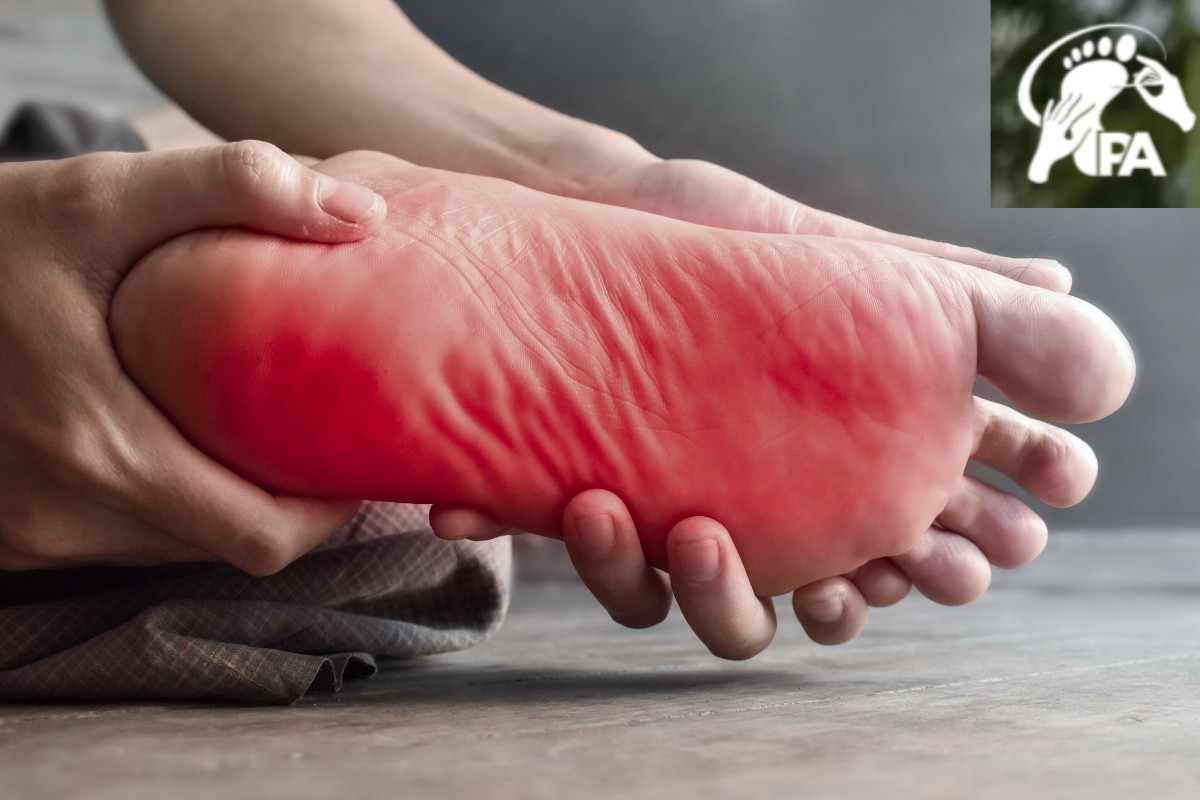
Bunions can make everyday activities such as walking, standing and wearing shoes increasingly uncomfortable. While the classic bunion usually affects the big toe, a similar problem can develop on the outside of the foot near the little toe. This is known as a tailor’s bunion, or bunionette.
Understanding the difference between these conditions is important because the appropriate treatment for bunions depends on the location, severity and symptoms. Similarly, effective tailor’s bunion treatment should address both pain and the underlying structure of the foot.
What Is a Bunion?
A traditional bunion, medically known as hallux valgus, is a structural deformity involving the big toe and the joint at its base.
The big toe gradually moves towards the smaller toes while the joint becomes more prominent on the inside of the foot.
Some people have a visible bunion without significant symptoms, while others develop pain, swelling and difficulty wearing footwear.
Common symptoms include:
- Pain around the big toe joint
- A visible bump
- Redness or swelling
- Stiffness
- Difficulty wearing narrow shoes
- Corns or calluses
- Pain when walking
- Reduced ability to exercise comfortably
What Is a Tailor’s Bunion?
A tailor’s bunion occurs on the outside of the foot, near the base of the little toe.
It is sometimes called a bunionette.
The prominence can become irritated by footwear, particularly shoes that are narrow around the forefoot.
Typical symptoms include:
- A bump beside the little toe
- Pain on the outside of the foot
- Redness
- Swelling
- Skin irritation
- Corn formation
- Difficulty wearing certain shoes
Although the two conditions occur in different areas, both can be influenced by the structure and alignment of the forefoot.
What Causes Tailor’s Bunions?
Several factors can contribute to the development of a tailor’s bunion.
Foot Structure
Inherited foot shape can influence how pressure is distributed across the forefoot.
Some people naturally have a foot structure that makes a bunionette more likely to develop.
Footwear
Shoes that squeeze the forefoot can increase pressure over the outside of the little toe.
Switching to footwear with a wider toe box may reduce irritation.
Abnormal Pressure
Changes in walking mechanics or the alignment of the forefoot can increase pressure around the fifth metatarsal.
Treatment for Bunions: Non-Surgical Options
For people experiencing mild or moderate symptoms, conservative measures are often considered first.
1. Wider Footwear
One of the simplest approaches is choosing shoes that provide adequate room around the toes.
A wider toe box can reduce pressure on the prominent area.
2. Protective Padding
Padding can reduce friction between the foot and shoe.
This may be particularly useful when a bunion is rubbing against footwear.
Padding does not correct the underlying deformity, but it can improve comfort.
3. Activity Modification
If specific activities aggravate symptoms, temporarily reducing or modifying those activities may help.
This does not necessarily mean avoiding exercise altogether.
Low-impact activities may be more comfortable for some people.
4. Physiotherapy
Depending on the individual assessment, physiotherapy may help improve foot and lower-limb strength, mobility and movement patterns.
A personalised programme is preferable to assuming that one exercise works for every type of bunion.
5. Pain Management
Appropriate pain-relief strategies may be discussed with a healthcare professional.
Persistent pain should not simply be managed indefinitely without identifying the underlying cause.
Can Non-Surgical Treatment Remove a Bunion?
This is an important distinction.
Conservative measures can often manage symptoms, but they generally cannot permanently straighten an established structural bone deformity.
Wider footwear and padding can reduce pressure, while rehabilitation may improve function.
However, if a significant structural deformity is causing persistent symptoms, a specialist may discuss other options.
Tailor’s Bunion Treatment Options
The initial approach to tailor’s bunion treatment is often similar to treatment for a traditional bunion.
The focus is on reducing pressure and controlling symptoms.
This can include:
- Wider footwear
- Protective padding
- Activity modification
- Appropriate physiotherapy
- Pain management where suitable
- Assessment of foot mechanics
If symptoms continue despite these measures, further assessment may be appropriate.
When Is Surgery Considered?
Surgery is not automatically required simply because a bunion is visible.
It may be considered when the deformity causes persistent pain or functional limitations despite appropriate non-surgical treatment.
For a tailor’s bunion, the surgical procedure depends on the underlying anatomy and the severity of the deformity.
The goal is generally to correct the structural problem rather than simply remove the visible prominence.
What Happens During Bunion Surgery?
There are several surgical techniques used for bunions.
The appropriate operation depends on factors such as:
- The location of the deformity
- The severity of the deformity
- Bone alignment
- Joint condition
- Overall foot structure
- Previous surgery
- Individual symptoms and activity requirements
For some patients, surgery involves cutting and repositioning a bone to improve alignment.
For others, a different procedure may be more appropriate.
A specialist assessment and appropriate imaging can help determine the best surgical strategy.
Recovery After Surgery
Recovery depends on the operation performed.
Patients may require:
- Protected weight-bearing
- A surgical shoe or other support
- Elevation to reduce swelling
- Follow-up appointments
- Gradual return to normal footwear
- Rehabilitation when appropriate
The recovery period should be considered carefully when planning surgery.
It is also important to understand that swelling can remain for some time after foot surgery.
Can You Prevent Bunions?
Not all bunions can be prevented because foot structure and genetics can play an important role.
However, you can reduce avoidable pressure on the foot.
Consider:
- Choosing shoes with adequate toe space
- Avoiding footwear that repeatedly causes pressure
- Maintaining healthy foot strength
- Addressing persistent pain early
- Avoiding sudden increases in high-impact activity
If you already have a bunion, these measures may help reduce irritation.
Bunion vs Tailor’s Bunion
The key difference is location.
| Condition | Location | Common Problem |
|---|---|---|
| Bunion | Base of the big toe | Prominence on inside of foot |
| Tailor’s bunion | Base of the little toe | Prominence on outside of foot |
Both can cause footwear-related discomfort.
However, treatment should be based on the individual's specific anatomy rather than assuming that every bunion requires the same procedure.
When Should You See a Specialist?
Consider seeking professional assessment if:
- Foot pain is persistent
- Your footwear has become difficult to wear
- The deformity is progressing
- Walking is becoming uncomfortable
- You have recurrent swelling
- Conservative measures are no longer helping
- Your symptoms are affecting work, sport or daily activities
A specialist can assess the foot clinically and determine whether imaging is appropriate.
Why Early Assessment Can Help
A bunion does not necessarily require immediate surgery.
Early assessment can help establish what is causing your symptoms and whether simple changes could improve your comfort.
It also provides an opportunity to discuss treatment before pain begins significantly affecting your lifestyle.
Final Thoughts
Both traditional bunions and tailor’s bunions can cause discomfort, particularly when footwear places pressure on the affected area.
Effective treatment for bunions usually begins with appropriate footwear, symptom management and other non-surgical measures. Surgery may be considered when persistent pain and functional limitations remain despite conservative treatment.
Similarly, tailor’s bunion treatment should be based on the location and severity of the deformity, the patient's symptoms and their individual lifestyle requirements.
There is no single treatment that suits every patient. A specialist assessment can help establish the cause of the problem and identify the most appropriate treatment pathway.
Frequently Asked Questions
1. What is the treatment for bunions?
Treatment can include wider footwear, protective padding, activity modification, physiotherapy and appropriate pain management. Surgery may be considered when persistent symptoms do not respond sufficiently to conservative treatment.
2. Can a bunion be treated without surgery?
Yes. Many people can manage their symptoms with non-surgical measures. However, these treatments generally do not permanently correct an established structural deformity.
3. What is a tailor’s bunion?
A tailor’s bunion, or bunionette, is a prominence near the base of the little toe on the outside of the foot.
4. What is the best tailor’s bunion treatment?
The most appropriate treatment depends on the severity and underlying structure. Wider footwear, padding and activity modification are commonly considered initially.
5. Can shoes make a tailor’s bunion worse?
Shoes that are narrow around the forefoot can increase pressure and irritation around the bunionette.
6. Does tailor’s bunion surgery remove the bump?
Surgery is generally designed to address the underlying structural deformity rather than simply remove a visible bump. The exact procedure depends on the individual's foot anatomy.
7. When should I see a bunion specialist?
You should consider an assessment when pain persists, footwear becomes difficult, the deformity progresses or symptoms begin interfering with normal activities.
8. Can bunions come back after surgery?
Recurrence is possible. The likelihood varies according to factors such as foot structure, the severity of the original deformity and the procedure performed
For more details please visit the website - https://pavelakimau.com/
Call us at - 07934539252 , 01782 432227
Email at - [email protected]
Address - North Staffordshire Hospital Clayton Road, Newcastle-under-Lyme, ST5 4DB
- Digital Agency
- Literie
- Location de voitures
- Restaurant
- Restaurant
- Mode
- Mode
- Information
- Marketing
- Tourisme
- Développement
- Découverte
- Législation
- Gastronomie
- Pâtisserie
- مناسبة
- Art
- Causes
- Crafts
- Dance
- Drinks
- Film
- Fitness
- Food
- الألعاب
- Gardening
- Health
- الرئيسية
- Literature
- Music
- Networking
- أخرى
- Party
- Religion
- Shopping
- Sports
- Theater
- Wellness
 Arabic
 Indian
 English
 French
 Spanish
 Portuguese
 Deutsch
 Turkish
 Dutch
Dutch
 Italiano
 Russian
 Romaian
 Portuguese (Brazil)
 Greek
Greek
