


A Friendly Guide to Enjoying Geometry Dash
Introduction
Some games are easy to understand but surprisingly difficult to master. They give you only a few controls, yet every small mistake can make you start again. Geometry Dash is a great example of this type of game. It combines platforming, rhythm, colorful level design, and quick reactions into an experience that can be enjoyed casually or taken more seriously.
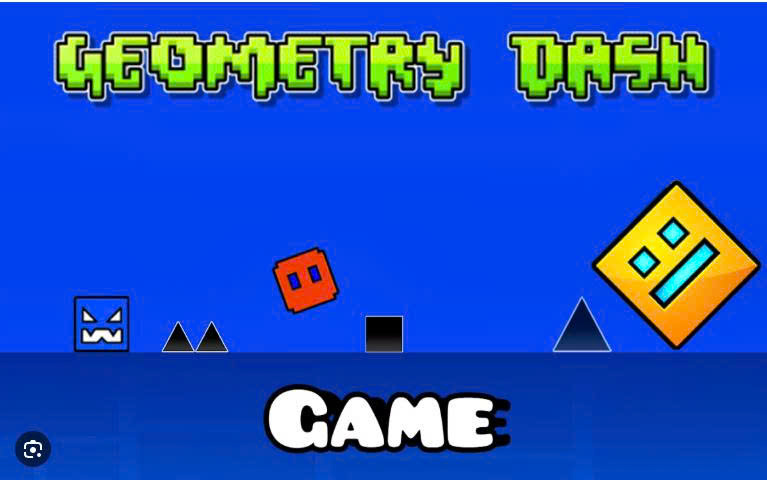
The basic idea is simple: guide a geometric character through a level filled with spikes, platforms, gaps, and other obstacles. Your character moves automatically, so your main responsibility is to control jumps and other movements at the right moments. The challenge comes from learning the patterns and developing a good sense of timing.
What I like about this style of game is that you don't need to spend a long time learning complicated controls. You can understand the basics almost immediately. The real experience comes from practicing, making mistakes, and gradually becoming more comfortable with each level.
Gameplay
The main gameplay of Geometry Dash revolves around timing. Your character moves forward automatically while you interact with the environment by jumping, flying, changing direction, or responding to different mechanics.
In the early stages, the obstacles are relatively easy to recognize. You may need to jump over a row of spikes or land safely on a platform. As you progress, however, levels introduce more complicated combinations. Platforms can move, gravity can change, and portals can transform the way your character behaves.
Music plays an important role in the experience. Many obstacles are designed to follow the rhythm of the soundtrack, meaning the music can help you anticipate when a jump should happen. After playing a level several times, you may start naturally remembering its rhythm.
One of the most interesting parts is learning through repetition. A level might seem extremely difficult during your first few attempts, but each failure gives you information. You begin remembering where obstacles appear and understanding how much time you have to react.
Eventually, sections that once seemed difficult can become almost automatic.
Another major part of the game is the variety of levels available. Different stages can have completely different visual styles, speeds, and mechanics. Community-created levels add even more variety, allowing players to experience designs that go far beyond the basic stages.
Understanding the Rhythm
Although Geometry Dash is often described as a platform game, rhythm is one of its defining characteristics.
The music isn't simply background entertainment. It can provide useful timing cues. A particular beat may correspond with a jump, a change in gravity, or another important event.
When you're learning a new level, try listening to the music rather than concentrating only on the character. After several attempts, you may notice that certain movements naturally match particular beats.
This can make difficult sections easier to understand.
Of course, not every obstacle follows the music perfectly, so visual awareness remains important. The best approach is to combine what you hear with what you see.
Tips for Beginners
1. Don't Expect Immediate Success
One of the biggest mistakes beginners can make is assuming that they should complete a level on their first attempt. Geometry Dash is designed around repetition, so failure is a normal part of the experience.
Instead of becoming frustrated, use each attempt to learn something.
2. Learn Difficult Sections Separately
If a particular part of a level repeatedly causes problems, concentrate on understanding that section. Practice modes and checkpoints can be particularly helpful because they allow you to work on difficult areas without constantly restarting from the beginning.
Once you're comfortable with individual sections, completing the entire level becomes much easier.
3. Listen to the Soundtrack
Try playing with the sound on when possible. The rhythm can help you understand the timing of certain jumps and movements.
After enough practice, you may find yourself anticipating obstacles almost automatically.
4. Avoid Random Clicking
When a level becomes difficult, it can be tempting to press the controls repeatedly and hope something works. Usually, this makes things worse.
Instead, try to identify exactly when and why you are making a mistake. Maybe you're jumping slightly too early, or perhaps you're reacting to an obstacle instead of anticipating it.
Small adjustments can make a big difference.
5. Stay Relaxed
Concentration is important, but being overly tense can make your reactions less consistent. If you've been attempting the same section for a long time without improvement, take a short break.
Returning later with a fresh mind can make the level feel noticeably easier.
6. Explore Different Levels
Don't limit yourself to one difficult stage. Trying different levels can introduce you to new mechanics and help you develop broader skills.
Some levels emphasize simple jumps, while others focus on fast movement, unusual gravity changes, or complicated patterns.
Making the Experience More Fun
Geometry Dash doesn't have to be about achieving the highest possible score. Sometimes the most enjoyable part is simply discovering interesting levels and seeing what other players have created.
If you're playing with friends, you can take turns attempting challenging sections or share levels that you found particularly creative. Watching someone else try a difficult stage can be surprisingly entertaining, especially when everyone starts discussing the best timing for each obstacle.
You can also set small personal goals. Instead of saying, "I have to finish this entire level today," try aiming to improve one section or reach a little farther than you did previously.
This makes progress feel more manageable.
Another nice approach is to play for short sessions. A few attempts during a break can be enough to practice without turning the game into a stressful activity. If you're having fun, you can always return later.
Conclusion
Geometry Dash is a good reminder that simple controls can create surprisingly deep gameplay. You only need a few basic actions to begin, but mastering those actions requires timing, concentration, memory, and patience.
The combination of music and obstacle patterns gives every level its own rhythm, while community-created content provides plenty of opportunities to discover something new. Most importantly, the game encourages players to learn from mistakes instead of expecting instant success.
Whether you're completely new to rhythm-based platform games or simply looking for something challenging to play in your free time, Geometry Dash offers a friendly place to start. Take your time, listen to the music, practice difficult sections, and don't worry about failing. Eventually, the jumps that once seemed impossible can become the most satisfying parts of the game.
- Digital Agency
- Literie
- Location de voitures
- Restaurant
- Restaurant
- Mode
- Mode
- Information
- Marketing
- Tourisme
- Développement
- Découverte
- Législation
- Gastronomie
- Pâtisserie
- Evento
- Art
- Causes
- Crafts
- Dance
- Drinks
- Film
- Fitness
- Food
- Juegos
- Gardening
- Health
- Inicio
- Literature
- Music
- Networking
- Otro
- Party
- Religion
- Shopping
- Sports
- Theater
- Wellness
 Spanish
 Indian
 English
 French
 Arabic
 Portuguese
 Deutsch
 Turkish
 Dutch
Dutch
 Italiano
 Russian
 Romaian
 Portuguese (Brazil)
 Greek
Greek
