


Tooth Crown Dubai: What Types of Crowns Can Be Used for Different Dental Needs?
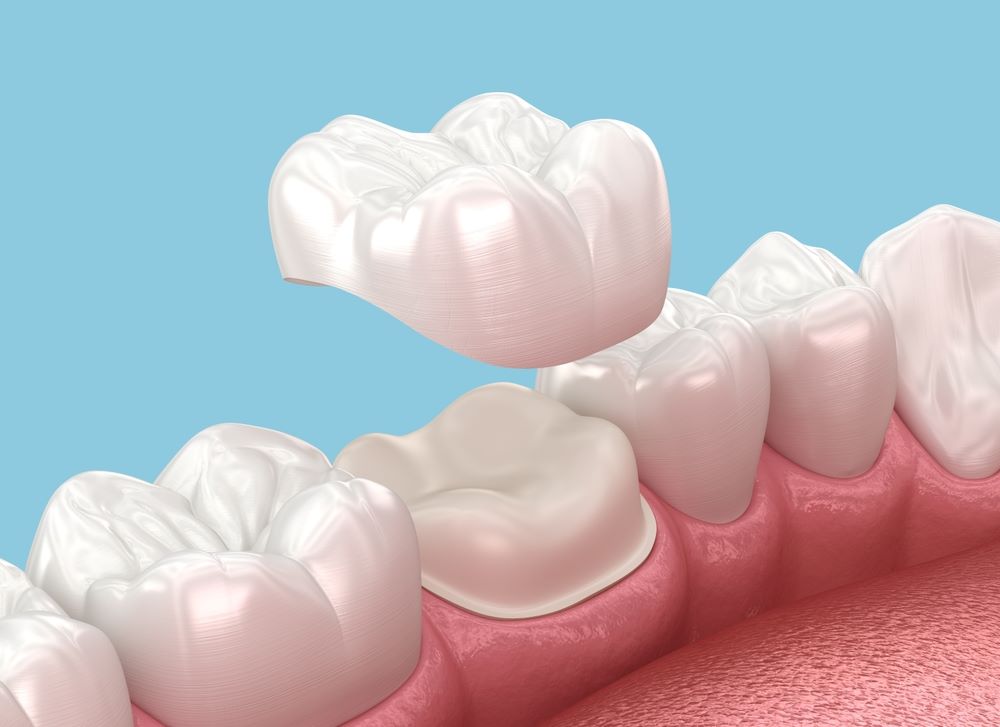
A damaged, weakened, or heavily restored tooth may need additional support to restore its shape and function. Dental crowns are commonly used for this purpose, but not every crown is made from the same material or designed for the same dental situation. Different types of crowns offer different combinations of strength, aesthetics, durability, and functionality.
For patients researching Tooth Crown Dubai, understanding the available crown types can make it easier to have an informed conversation with a dentist. At Cornerstone, the selection of a crown can be based on the condition and position of the tooth, bite, aesthetic expectations, available space, and individual dental requirements.
What Is a Tooth Crown?
A tooth crown is a custom-made dental restoration that covers a prepared tooth. It is designed to restore the tooth's shape, size, appearance, and function.
Crowns can be recommended for teeth that have lost significant structure because of decay, fractures, large fillings, wear, or previous dental treatment. They may also be used as part of certain restorative and prosthetic treatments.
A crown is designed specifically for the tooth receiving it, meaning the dentist needs to assess the individual circumstances before choosing a suitable material.
Why Are Different Types of Crowns Available?
Dental crowns have evolved considerably, giving dentists a variety of materials and designs to choose from.
Some materials are particularly valued for their strength, while others are chosen because they closely resemble natural teeth. Certain options can provide a balance between aesthetics and durability.
The best choice depends on where the tooth is located, how much chewing force it receives, how much natural tooth remains, and what appearance the patient wants.
For this reason, dentists generally select crowns based on individual dental needs rather than using one material for every patient.
How Does a Dentist Decide Which Crown Is Suitable?
The process begins with a detailed examination.
The dentist may assess the tooth's remaining structure, surrounding teeth, gum condition, bite, and available space. X-rays may also be used when appropriate to understand the tooth and surrounding structures.
The location of the tooth is another important factor. A highly visible front tooth may require a different aesthetic approach from a molar that handles significant chewing pressure.
Your preferences and budget may also be discussed before the final material is selected.
What Are Porcelain Crowns?
Porcelain crowns are designed to closely resemble natural teeth and can provide a highly aesthetic restoration.
Their appearance makes them an option for patients who place particular importance on the visual characteristics of their smile. Porcelain can be customized in terms of shade, shape, and surface appearance.
They may be considered for visible teeth where aesthetics are an important part of the treatment plan.
The dentist will assess whether porcelain is appropriate based on the position of the tooth and its functional requirements.
What Are Ceramic Crowns?
Ceramic crowns are another tooth-coloured option used in modern restorative dentistry.
Ceramic materials can provide natural-looking optical properties and can be manufactured in different forms. Some modern ceramics offer a combination of aesthetic appearance and strength.
They can be particularly useful when the restoration needs to blend naturally with surrounding teeth.
Your dentist can explain which ceramic material is most appropriate based on your tooth's location, bite, and treatment objectives.
What Are Zirconia Crowns?
Zirconia is a ceramic material known for its strength and versatility.
Zirconia crowns can be designed for different areas of the mouth and are available in different formulations. Some versions place greater emphasis on strength, while others offer increased translucency for a more natural appearance.
Because of this flexibility, zirconia may be considered for both front and back teeth depending on the individual circumstances.
Your dentist will determine whether zirconia is appropriate after evaluating your tooth and functional requirements.
What Are Porcelain-Fused-to-Metal Crowns?
Porcelain-fused-to-metal crowns combine a metal foundation with an outer porcelain layer.
The metal structure provides support, while the porcelain covering is designed to create a tooth-like appearance.
This crown type has a long history in restorative dentistry and can still be appropriate for particular dental situations.
The dentist will compare it with ceramic and zirconia alternatives based on factors such as tooth location, aesthetics, bite, and available space.
What Are Metal Crowns?
Metal crowns are made from dental alloys and are recognized for their strength and durability.
Because their metallic appearance does not resemble natural tooth enamel, they are generally less suitable when aesthetics are the primary consideration for a highly visible tooth.
However, metal crowns can be considered for selected posterior teeth where functional characteristics are particularly important.
Your dentist can explain the available alloy options and whether this type of crown is appropriate for your specific dental situation.
What Are Gold Alloy Crowns?
Gold alloy crowns are a type of metal restoration that has been used in dentistry for many years.
They can offer excellent functional characteristics and may be suitable for certain back teeth.
Their distinctive colour means they are not usually selected when a tooth-coloured appearance is a priority.
If a gold alloy crown is being considered, your dentist can explain its characteristics and compare it with other available materials.
Which Crown Is Suitable for Front Teeth?
Front teeth are highly visible, so appearance often plays a significant role in choosing a crown.
Tooth-coloured ceramic or porcelain-based options may be considered because they can be designed to resemble natural enamel.
The dentist will assess the colour and shape of the surrounding teeth and consider factors such as translucency and facial appearance.
However, aesthetics are only one consideration. The crown also needs to function properly with the patient's bite.
Which Crown Is Suitable for Back Teeth?
Back teeth experience substantial forces during chewing.
For this reason, dentists may consider materials with strong mechanical properties when planning crowns for molars and premolars.
Zirconia, metal, porcelain-fused-to-metal, and other materials may be considered depending on the individual tooth.
The dentist evaluates the patient's bite and chewing forces before selecting the appropriate restoration.
Can Zirconia Be Used for Both Front and Back Teeth?
In many situations, zirconia can be considered for both anterior and posterior restorations.
Different zirconia formulations have different characteristics, so the dentist can select an appropriate type based on the location and requirements of the tooth.
For front teeth, a more translucent formulation may be considered where appropriate, while posterior restorations may place greater emphasis on strength.
Your dentist will determine the most suitable option for your specific case.
How Does the Condition of the Tooth Affect Crown Selection?
The amount of healthy tooth structure remaining can influence treatment planning.
A severely weakened tooth may have different structural requirements from a tooth that retains substantial natural enamel and dentine.
The dentist evaluates the remaining structure and determines how the crown should be designed to support and restore the tooth.
In some cases, additional restorative treatment may be necessary before a crown can be placed.
Does the Bite Affect Crown Selection?
Yes. Your bite is an important consideration when selecting and designing a crown.
The dentist needs to understand how the upper and lower teeth meet and how forces are distributed during chewing.
A tooth that experiences high biting forces may require a material with appropriate strength characteristics.
The crown must also be shaped correctly so that it works naturally with the opposing teeth.
Does Available Space Matter?
Available space can influence both the choice of material and the design of the crown.
The dentist evaluates the space between the prepared tooth and opposing teeth to determine how the restoration can be constructed appropriately.
Some materials can be manufactured at different thicknesses, while the preparation required may vary depending on the selected crown.
A detailed assessment helps the dentist select a suitable design for the available space.
How Important Is Crown Appearance?
Appearance can be particularly important when restoring teeth visible during smiling and speaking.
Dentists can customize the shade, shape, size, and surface characteristics of tooth-coloured crowns.
The crown should also complement neighbouring teeth rather than appearing noticeably different.
For highly visible teeth, your dentist may spend additional time discussing colour and translucency to achieve an appropriate aesthetic match.
How Does Crown Material Affect Durability?
Different materials have different mechanical characteristics.
Metal and certain zirconia formulations are known for their strength, while modern ceramic materials can provide a balance of aesthetics and functional performance.
However, the durability of a crown depends on more than the material itself. The fit of the restoration, tooth preparation, bite, oral hygiene, and everyday habits can also influence its longevity.
Your dentist can explain how the selected material is expected to perform in your particular situation.
Can Crowns Be Matched With Existing Dental Work?
Yes. If you already have crowns, bridges, veneers, or other visible restorations, the dentist may consider them when selecting the new crown.
Matching shade and appearance can be particularly important when the new crown is located next to existing dental work.
Providing your dentist with details about previous dental treatment can help with planning.
What Role Does Technology Play in Crown Selection?
Modern dental technology can support both diagnosis and crown design.
Digital scanners can create detailed impressions of the teeth and bite. Computer-aided design can then be used to plan the dimensions and shape of the restoration.
Digital information can also be shared with the dental laboratory responsible for manufacturing the crown.
These technologies can help create restorations that are designed specifically for the patient's tooth and overall dental structure.
How Is a Tooth Crown Made?
Once the dentist has determined the appropriate crown material, the tooth is prepared according to the treatment plan.
An impression or digital scan is taken so the dental laboratory can create the restoration to the required dimensions.
The crown is then fabricated using the selected material and customized to fit the prepared tooth.
Before final placement, the dentist checks the crown's fit, shape, colour, and relationship with the bite.
What Happens During the Crown Fitting Appointment?
During the fitting appointment, the dentist evaluates how the crown fits over the prepared tooth.
The restoration is checked against neighbouring and opposing teeth to ensure appropriate contact and bite.
For visible teeth, the dentist can also assess the shade and overall appearance.
Once the crown has been appropriately evaluated and adjusted, it can be permanently placed according to the treatment plan.
How Should You Care for a Dental Crown?
Caring for a crowned tooth is similar in many ways to caring for natural teeth.
Regular brushing and cleaning between teeth are important for maintaining the surrounding gums and natural tooth structure.
You should also attend routine dental appointments so your dentist can monitor the crown and surrounding teeth.
Although the crown itself cannot develop tooth decay, the natural tooth underneath and around it still needs proper oral hygiene.
What Should You Ask Before Choosing a Crown?
Before treatment, consider asking your dentist:
- Which crown materials are suitable for my tooth?
- Why is this particular material being recommended?
- Is the tooth visible when I smile?
- How will the crown match my surrounding teeth?
- How does my bite influence the choice?
- How much tooth preparation is needed?
- What alternatives are available?
- How should I maintain the crown?
- What is the expected treatment timeline?
- What is the total cost of the treatment?
These questions can help you understand the reasoning behind the recommended crown.
How Can You Choose the Right Tooth Crown Dubai Option?
When researching Tooth Crown Dubai, it is useful to focus on more than the material's appearance or advertised price.
The right crown should be appropriate for the tooth's location, functional demands, remaining structure, bite, and aesthetic requirements.
A professional dental consultation provides an opportunity to compare suitable materials and understand why one may be preferable to another in your specific circumstances.
At Cornerstone, discussing your dental concerns and expectations with your dentist can help you understand which crown options may be suitable for your treatment plan.
Conclusion
Dental crowns are available in a range of materials, including porcelain, ceramic, zirconia, porcelain-fused-to-metal, metal alloys, and gold alloys. Each option has different characteristics, making material selection an important part of restorative dental treatment.
When considering Tooth Crown Dubai, dentists typically evaluate the condition and position of the tooth, remaining tooth structure, bite, available space, surrounding teeth, aesthetic preferences, and functional requirements before recommending a crown.
There is no single crown material that is automatically right for everyone. A personalized assessment allows the dentist to identify the most appropriate option for the individual tooth and overall smile.
At Cornerstone, a detailed consultation can help you understand the available crown materials, treatment stages, and maintenance requirements so you can make an informed decision about your dental restoration.
FAQs
What is a tooth crown?
A tooth crown is a custom-made restoration that covers a prepared tooth to restore its shape, structure, appearance, and function.
What types of dental crowns are available?
Common options include porcelain, ceramic, zirconia, porcelain-fused-to-metal, metal alloy, and gold alloy crowns. The appropriate choice depends on the individual tooth and treatment requirements.
Which crown is best for front teeth?
Tooth-coloured ceramic or porcelain-based crowns may be considered for front teeth because aesthetics are often important in visible areas. Your dentist will recommend a suitable material based on your specific circumstances.
Which crown is best for back teeth?
Back teeth experience greater chewing forces, so dentists may consider materials with appropriate strength and durability, such as certain zirconia, metal, or porcelain-fused-to-metal options.
Are zirconia crowns suitable for front teeth?
Zirconia can be considered for front teeth in appropriate cases. Different types of zirconia have different aesthetic and strength characteristics, allowing dentists to select according to individual requirements.
Are zirconia crowns strong?
Zirconia is known for its strength and can be used for various types of dental restorations. The appropriate zirconia formulation depends on the location and functional demands of the tooth.
Are porcelain crowns natural-looking?
Porcelain can provide a natural-looking appearance because it can be customized in terms of colour, shape, and optical characteristics.
Are metal crowns still used?
Yes. Metal crowns may still be appropriate for selected teeth, particularly where strength and durability are important considerations.
How does my bite affect crown selection?
Your bite determines how your teeth contact one another and how forces are distributed during chewing. Dentists consider these factors when selecting and designing a crown.
Does the condition of my tooth affect the crown type?
Yes. The amount of remaining tooth structure and the condition of the tooth can influence both the treatment approach and crown design.
Can my crown match my existing teeth?
Yes. The dentist can consider the colour, shape, translucency, and appearance of surrounding teeth when designing a tooth-coloured crown.
How long does a tooth crown last?
The lifespan varies depending on the crown material, tooth location, bite, oral hygiene, fit, and general dental care. Regular dental examinations help monitor the restoration.
Does a dental crown require special care?
Crowns require regular oral hygiene, including brushing and cleaning between the teeth. Routine dental visits are also important for monitoring the crown and surrounding structures.
How long does it take to get a tooth crown?
The treatment timeline varies depending on the tooth, crown material, laboratory process, and whether additional dental treatment is required. Your dentist can provide a personalized schedule.
How do I choose the right crown material?
The dentist considers the tooth's location, structural condition, bite, available space, aesthetic requirements, existing dental work, and your preferences before recommending an appropriate material.
- Digital Agency
- Literie
- Location de voitures
- Restaurant
- Restaurant
- Mode
- Mode
- Information
- Marketing
- Tourisme
- Développement
- Découverte
- Législation
- Gastronomie
- Pâtisserie
- Evenement
- Art
- Causes
- Crafts
- Dance
- Drinks
- Film
- Fitness
- Food
- Spellen
- Gardening
- Health
- Home
- Literature
- Music
- Networking
- Overig
- Party
- Religion
- Shopping
- Sports
- Theater
- Wellness
 Dutch
Dutch
 Indian
 English
 French
 Arabic
 Spanish
 Portuguese
 Deutsch
 Turkish
 Italiano
 Russian
 Romaian
 Portuguese (Brazil)
 Greek
Greek
