


What Factors Affect Chemical Performance in Oilfield Applications?
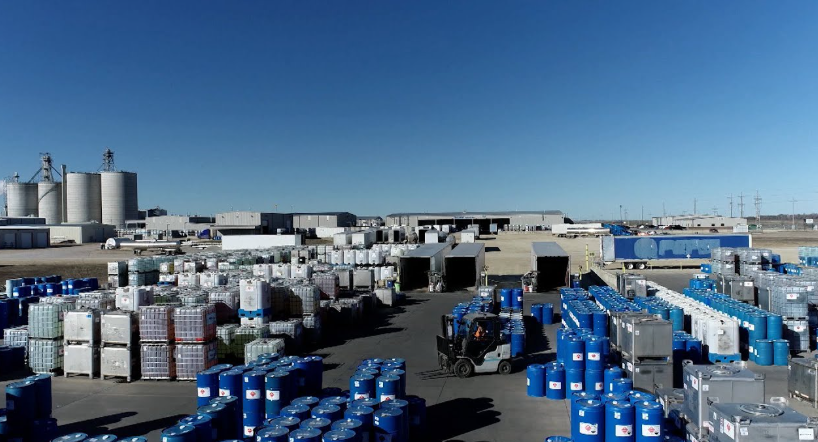
Chemical performance plays a major role in maintaining efficiency, safety, and productivity across oilfield operations. From drilling and production to enhanced oil recovery and water treatment, specialized chemicals must perform reliably under demanding conditions. An experienced Oilfield Chemical Manufacturer understands that chemical effectiveness depends on several environmental, operational, and formulation-related factors. Selecting the right chemical requires careful consideration of temperature, pressure, fluid composition, concentration, compatibility, and the specific requirements of the oilfield process.
Temperature and Pressure Conditions
Temperature and pressure are among the most important factors affecting chemical performance in oilfield applications. Oil and gas wells can experience extreme temperatures, particularly in deep reservoirs. High temperatures may accelerate chemical reactions, reduce stability, or cause certain compounds to break down.
Pressure can also influence how chemicals behave within wellbore and reservoir environments. A formulation that performs effectively under standard conditions may behave differently when exposed to high pressure. For this reason, oilfield chemicals must be designed and tested for the expected operating environment.
Thermal stability is especially important for chemicals used in drilling fluids, cementing operations, stimulation treatments, and enhanced oil recovery. Proper formulation helps ensure that the chemical remains active throughout the required application period.
Chemical Concentration
The concentration of a chemical directly affects its effectiveness. Using too little may prevent the desired reaction or treatment from achieving its purpose. On the other hand, excessive concentrations can increase costs, create compatibility problems, or negatively affect equipment and production systems.
Accurate dosage is therefore essential. Operators typically consider the volume of fluids being treated, the severity of the problem, and the desired performance level when determining the appropriate concentration. Consistent monitoring can also help maintain chemical levels within the recommended operating range.
For example, corrosion inhibitors must be present at sufficient concentrations to create effective protection on metal surfaces. Similarly, demulsifiers require suitable dosage levels to separate oil and water efficiently.
Fluid Composition
The chemical composition of oilfield fluids can significantly influence performance. Crude oil, formation water, drilling mud, and produced water may contain different levels of salts, minerals, hydrocarbons, gases, and suspended solids.
These components can interact with treatment chemicals and change their effectiveness. High salinity, for instance, may influence solubility and chemical stability. Certain minerals can react with treatment products and reduce their availability.
Understanding fluid composition allows operators to choose formulations that remain effective in the specific environment. Laboratory testing of representative fluid samples can provide useful information before a chemical treatment is implemented in the field.
Compatibility With Other Chemicals
Oilfield operations commonly involve multiple chemical products. These may include corrosion inhibitors, scale inhibitors, biocides, surfactants, demulsifiers, friction reducers, and other specialized treatments.
Chemical compatibility is important because two products may interact in ways that reduce performance. In some cases, incompatible chemicals can create deposits, precipitates, emulsions, or other unwanted reactions.
Before combining products, operators should evaluate their compatibility under actual operating conditions. Controlled laboratory testing can help identify potential interactions and support the development of an effective chemical treatment program.
Contact Time
The amount of time a chemical remains in contact with the target material or fluid can affect its performance. Some treatments require only a short exposure period, while others need extended contact to achieve the desired result.
For example, a corrosion inhibitor may need sufficient time to form a protective layer on metal surfaces. A scale treatment may require adequate contact with mineral deposits to dissolve or control them effectively.
Flow rates and production conditions can influence contact time. High fluid velocities may reduce the time available for a chemical to interact with the target, making formulation and dosage optimization particularly important.
Water Quality and Salinity
Water is present in many oilfield processes, including drilling, production, injection, and stimulation. Its quality can have a substantial impact on chemical performance.
Factors such as hardness, pH, dissolved minerals, suspended solids, and salinity may influence how chemicals dissolve, react, or remain stable. High concentrations of calcium and magnesium, for example, can contribute to scale formation and may interfere with certain treatments.
Water analysis is therefore an important part of chemical selection. Understanding the characteristics of the water being treated allows operators to choose products that are better suited to the operating environment.
pH Levels
The pH of an oilfield system can affect chemical activity and stability. Some chemicals perform best within specific pH ranges, while others may lose effectiveness when conditions become too acidic or alkaline.
pH can also influence corrosion rates, mineral dissolution, chemical solubility, and microbial activity. Maintaining appropriate pH conditions can help maximize treatment effectiveness and reduce unwanted reactions.
Chemical programs should account for expected pH variations during different stages of an operation.
Dosage and Application Method
Even a high-quality chemical may produce poor results if it is applied incorrectly. Injection rate, treatment frequency, mixing procedures, and application location can all influence performance.
Continuous injection may be appropriate for some production chemicals, while batch treatments may be better suited to other applications. The chemical should reach the area where treatment is required at an effective concentration.
Accurate metering and monitoring help maintain consistent treatment performance while preventing unnecessary chemical consumption.
Testing and Monitoring
Field conditions can change over time, making regular testing essential. Operators can monitor indicators such as corrosion rates, scale formation, water quality, oil-water separation, microbial activity, and chemical residual levels.
Performance data can then be used to adjust dosage and treatment strategies. Laboratory testing, pilot trials, and field evaluations also help determine whether a formulation is suitable for a particular application.
Conclusion
Chemical performance in oilfield applications depends on more than simply selecting a powerful product. Temperature, pressure, concentration, fluid composition, compatibility, contact time, water quality, pH, application methods, and ongoing monitoring all influence results. A well-designed chemical treatment program considers these factors together to improve operational efficiency and reduce potential problems.
Working with a knowledgeable Oilfield Chemical Manufacturer can also help operators identify suitable formulations, optimize dosage, and address challenging field conditions. Through proper testing, application, and monitoring, oilfield chemicals can deliver more consistent performance while supporting productivity, equipment protection, and long-term operational reliability.
- Digital Agency
- Literie
- Location de voitures
- Restaurant
- Restaurant
- Mode
- Mode
- Information
- Marketing
- Tourisme
- Développement
- Découverte
- Législation
- Gastronomie
- Pâtisserie
- Evento
- Art
- Causes
- Crafts
- Dance
- Drinks
- Film
- Fitness
- Food
- Jogos
- Gardening
- Health
- Início
- Literature
- Music
- Networking
- Outro
- Party
- Religion
- Shopping
- Sports
- Theater
- Wellness
 Portuguese (Brazil)
 Indian
 English
 French
 Arabic
 Spanish
 Portuguese
 Deutsch
 Turkish
 Dutch
Dutch
 Italiano
 Russian
 Romaian
 Greek
Greek
