


Mastering Corporate Transparency: The Essential Guide to Enterprise Examinations in Singapore
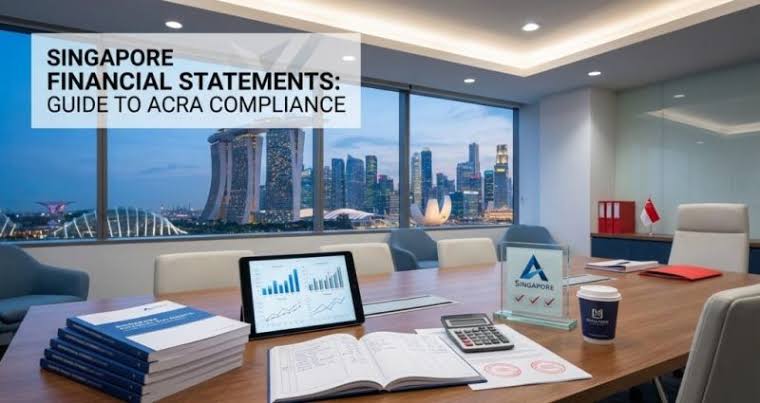
Singapore continues to shine as one of the world's premier destinations for international trade, foreign investment, and corporate innovation. Driven by a stable regulatory environment and transparent legal frameworks, the nation rewards businesses that prioritize accountability and strict compliance. For enterprises striving to build sustainable momentum within this dynamic ecosystem, navigating complex regulatory duties is crucial. Among these, undergoing a professional financial audit singapore stands out as a critical practice that validates an organization's economic integrity, reassures key stakeholders, and reinforces adherence to national governance guidelines.
The Singaporean Regulatory Ecosystem
Operating a commercial enterprise in the Lion City requires a thorough grasp of compliance mandates overseen by key authorities like the Accounting and Corporate Regulatory Authority (ACRA) and the Inland Revenue Authority of Singapore (IRAS). Under the Singapore Companies Act, corporate entities must maintain accurate accounting records that present a true and fair view of their economic standing at any given time.
External evaluations act as an objective bridge of trust between corporate management and external parties such as investors, creditors, and government authorities. By independently verifying capital flows, these reviews protect organizations against internal misconduct, reporting errors, and regulatory penalties.
Statutory Requirements and the Small Company Exemption
While oversight is a core pillar of Singapore's business environment, the legal framework provides practical flexibility for smaller enterprises to reduce unnecessary administrative overheads.
Publicly Accountable and Regulated Entities
All public companies, regardless of size, along with financial institutions supervised by the Monetary Authority of Singapore (MAS), are legally required to undergo external checks annually. This ensures maximum transparency and safeguards public shareholder investments.
The Small Company Exemption Criteria
To alleviate burdens on small and medium-sized enterprises (SMEs), Singapore established a clear "small company" audit exemption framework. A private enterprise qualifies for an exemption if it satisfies at least two of the following three conditions for the past two consecutive financial years:
-
Annual revenue does not exceed SGD 10 million.
-
Total assets do not exceed SGD 10 million.
-
The total staff headcount does not exceed 50 employees.
Despite being legally exempt, many growing enterprises choose to conduct voluntary reviews to boost credibility when negotiating commercial credit lines or courting venture capital.
The Core Stages of an Independent Evaluation
A thorough corporate examination follows a strict, standardized methodology governed by professional auditing benchmarks to ensure objective outcomes.
[Phase 1: Strategic Planning & Risk Profiling]
                      │
                      ▼
[Phase 2: Fieldwork & Substantive Testing]
                      │
                      ▼
[Phase 3: Opinion Formulation & Reporting]
Phase 1: Planning and Risk Profiling
In this opening stage, practitioners evaluate the client’s business model, industry sector risks, and internal control structures. They identify operational zones prone to material misstatements—whether from error or fraud—and build a custom review strategy.
Phase 2: Fieldwork and Evidence Gathering
Auditors test internal controls and perform substantive procedures, which include examining original invoices, validating inventory counts, acquiring third-party bank confirmations, and recalculating balances. This ensures every major figure is supported by hard evidence.
Phase 3: Reporting and Final Deliverables
The exercise concludes with the issuance of the independent auditor's report. This document contains a formal professional opinion declaring whether the organization's accounts present a true and fair view in accordance with applicable reporting standards.
Key Strategic Benefits of Periodic Examinations
Engaging external professionals to examine corporate records offers advantages that go far beyond satisfying baseline legal duties:
-
Boosted Investor Confidence: Verified economic data builds trust among potential investors, banking partners, and international collaborators.
-
Strengthened Internal Controls: Independent reviewers frequently identify structural vulnerabilities in administrative workflows, providing actionable recommendations to enhance security.
-
Smoother Tax Compliance: Accurate accounting simplifies corporate tax calculations and reduces friction during reviews by the tax authority.
-
Valuable Operational Insights: Comprehensive analysis uncovers hidden cost drivers and liquidity gaps that executive leadership can proactively address.
Best Practices for Preparing Your Organization
Seamless collaboration between an internal finance team and external practitioners ensures timely completion and minimizes workflow disruptions. Organizations can optimize the review cycle by keeping general ledgers updated, reconciling bank accounts monthly, archiving contracts systematically, and clearing up prior-year recommendations ahead of time.
Conclusion and Moving Forward
As corporate governance standards continue to evolve globally, maintaining clean, verifiable economic documentation remains a non-negotiable priority for modern business leaders. Implementing comprehensive financial statements audit procedures serves as a reliable anchor for ethical growth, protecting stakeholders while empowering executives with accurate intelligence. By embracing these professional assessments as strategic business assets rather than mere regulatory hurdles, enterprises in Singapore can build a resilient foundation for long-term success.
Frequently Asked Questions (FAQs)
1. Are all companies in Singapore legally required to undergo annual evaluations?
No. While every registered entity must maintain proper accounts, private companies satisfying the "small company" threshold—having annual revenue and total assets under SGD 10 million alongside 50 or fewer employees for two straight years—enjoy statutory exemptions. Public firms and regulated financial entities must always comply.
2. What are the penalties for missing statutory filing deadlines with ACRA?
Failing to adhere to corporate filing schedules can lead to financial composition fines, official legal summonses issued against directors, and potential prosecution under the Singapore Companies Act.
3. How do internal reviews differ from statutory examinations?
Internal reviews are commissioned by management to monitor everyday operational efficiency and internal controls. Statutory examinations are mandatory external evaluations performed by independent public accountants to provide an unbiased opinion to outside stakeholders and regulators.
4. How long does a typical corporate evaluation take?
The timeline varies depending on the scale of the company, the complexity of its transactions, and the quality of bookkeeping records provided, typically lasting anywhere from a couple of weeks to a few months.
5. Which guidelines do practitioners follow when reviewing accounts in Singapore?
Practitioners must execute their duties in strict accordance with the Singapore Standards on Auditing (SSA) mandated by the Institute of Singapore Chartered Accountants (ISCA).
- Digital Agency
- Literie
- Location de voitures
- Restaurant
- Restaurant
- Mode
- Mode
- Information
- Marketing
- Tourisme
- Développement
- Découverte
- Législation
- Gastronomie
- Pâtisserie
- Event
- Art
- Causes
- Crafts
- Dance
- Drinks
- Film
- Fitness
- Food
- Games
- Gardening
- Health
- Home
- Literature
- Music
- Networking
- Other
- Party
- Religion
- Shopping
- Sports
- Theater
- Wellness
 English
 Indian
 French
 Arabic
 Spanish
 Portuguese
 Deutsch
 Turkish
 Dutch
Dutch
 Italiano
 Russian
 Romaian
 Portuguese (Brazil)
 Greek
Greek
