


Insertional Achilles Tendinopathy Treatment and Achilles Tendon Rupture Treatment: A Complete Guide
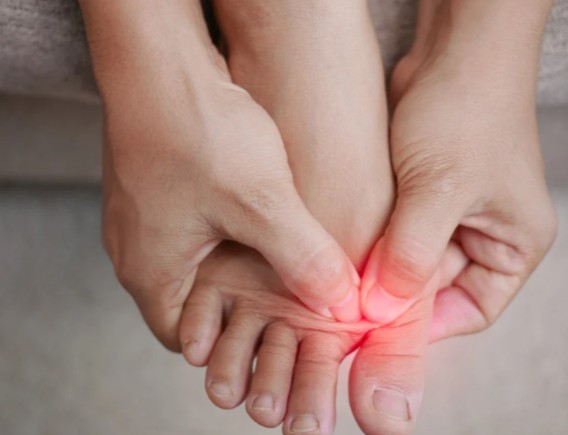
The Achilles tendon plays an important role in walking, running and other everyday movements. It connects the calf muscles to the heel bone and helps the foot push off the ground. When this tendon becomes painful or damaged, activities that were once simple can become difficult.
Two important Achilles conditions are insertional Achilles tendinopathy and Achilles tendon rupture. Although both affect the same tendon, they are different problems and require different approaches. Understanding the symptoms, causes and available treatments can help patients seek appropriate specialist care at the right time.
Mr Pavel Akimau provides specialist orthopaedic foot and ankle assessment, helping patients understand their condition and explore suitable treatment options.
What Is Insertional Achilles Tendinopathy?
Insertional Achilles tendinopathy affects the lower part of the Achilles tendon where it attaches to the heel bone. Repeated stress can cause changes within the tendon and surrounding tissues, resulting in pain and stiffness.
Patients may notice pain directly above the heel, particularly when walking uphill, climbing stairs or exercising. There may also be tenderness, swelling or thickening around the tendon attachment.
Common Risk Factors
Several factors can contribute to insertional Achilles problems, including:
-
Repetitive physical activity
-
Sudden changes in exercise levels
-
Tight calf muscles
-
Poor biomechanics
-
Unsuitable footwear
-
Previous tendon problems
-
Age-related tendon changes
A detailed assessment can help identify the factors contributing to symptoms.
Insertional Achilles Tendinopathy Treatment
The most suitable insertional Achilles tendinopathy treatment depends on the severity and duration of symptoms.
Activity Modification
Reducing activities that aggravate pain can help manage tendon loading. Patients may temporarily replace running or jumping with lower-impact activities such as cycling or swimming.
Physiotherapy
A structured rehabilitation programme can help improve calf strength and tendon capacity. Exercises should be introduced progressively and adjusted according to symptoms.
Because insertional Achilles tendinopathy occurs at the heel attachment, rehabilitation may need to be modified compared with treatment for mid-portion Achilles tendinopathy.
Footwear
Supportive footwear can reduce pressure around the heel. Some patients may benefit from shoes that provide cushioning and avoid excessive compression around the tendon attachment.
Further Treatment
If symptoms continue despite appropriate conservative treatment, a specialist may discuss additional options. The appropriate treatment depends on the tendon condition and the patient's individual circumstances.
In more advanced cases, surgery may sometimes be considered to remove damaged tissue or address associated bone changes.
What Is an Achilles Tendon Rupture?
An Achilles tendon rupture is a tear that may be partial or complete. Unlike tendinopathy, which often develops gradually, a rupture can occur suddenly, particularly during activities involving forceful pushing off.
It can happen during sports such as football, tennis, badminton or running, but it is not limited to athletes.
Symptoms of an Achilles Tendon Rupture
Common symptoms include:
-
Sudden pain at the back of the ankle
-
A popping or snapping sensation
-
Swelling
-
Bruising
-
Difficulty walking
-
Reduced ability to push off
-
Difficulty standing on tiptoes
Some people describe the injury as feeling like they have been kicked in the back of the leg.
Suspected Achilles rupture should be assessed promptly by a medical professional.
Achilles Tendon Rupture Treatment
The appropriate Achilles tendon rupture treatment depends on factors such as the extent of the tear, age, activity levels and individual circumstances.
Non-Surgical Treatment
Some patients can be treated without surgery. This generally involves protecting the tendon in a position that allows the torn ends to heal, followed by a structured rehabilitation programme.
Treatment may involve:
-
Protective immobilisation
-
Gradual weight-bearing
-
Physiotherapy
-
Progressive strengthening
-
Regular clinical review
Surgical Treatment
Surgery may be considered for selected patients, particularly where there is a complete rupture or where the patient's activity requirements make surgical repair appropriate.
Surgical repair aims to restore continuity of the tendon. Modern techniques are designed to provide a strong repair while allowing carefully controlled rehabilitation afterwards.
A specialist will discuss the potential benefits and risks before recommending surgery.
Recovery After Achilles Tendon Injury
Recovery requires patience and careful rehabilitation. Returning to demanding activities too quickly can increase the risk of further problems.
A rehabilitation programme may gradually introduce:
-
Protected movement
-
Progressive weight-bearing
-
Range-of-motion exercises
-
Strengthening
-
Balance and functional exercises
-
Gradual return to sporting activities
The exact recovery programme varies from patient to patient.
When Should You See a Specialist?
You should consider specialist assessment if you experience:
-
Persistent Achilles pain
-
Increasing swelling
-
Difficulty walking
-
Sudden pain during activity
-
A popping sensation
-
Weakness when pushing off
-
Ongoing symptoms despite initial treatment
Early assessment can help establish the diagnosis and ensure that treatment is appropriate.
Specialist Foot and Ankle Care
Mr Pavel Akimau provides specialist assessment and treatment for a range of foot and ankle conditions, including Achilles tendon problems.
Treatment is based on the individual's symptoms, clinical findings, lifestyle and recovery goals. Where appropriate, conservative management is considered before surgical treatment.
The aim is to provide patients with a clear diagnosis and an appropriate treatment pathway to support comfortable movement and long-term function.
Conclusion
Insertional Achilles tendinopathy and Achilles tendon rupture can both affect mobility, but they require different treatment approaches. Understanding the symptoms and seeking an accurate diagnosis can help patients receive appropriate care.
Whether you are looking for insertional Achilles tendinopathy treatment or need advice about Achilles tendon rupture treatment, specialist assessment can help you understand your options and make an informed decision about your care.
FAQs
1. What is insertional Achilles tendinopathy?
It is a condition affecting the lower part of the Achilles tendon where it attaches to the heel bone, often causing pain and stiffness.
2. How is insertional Achilles tendinopathy treated?
Treatment may include activity modification, physiotherapy, supportive footwear and progressive rehabilitation. Surgery may be considered for selected persistent or advanced cases.
3. How is an Achilles tendon rupture diagnosed?
Diagnosis generally involves a clinical examination and, where required, imaging to assess the tendon and confirm the extent of the injury.
4. Does an Achilles tendon rupture always require surgery?
No. Some patients can be successfully managed without surgery through protection and structured rehabilitation, while surgery may be appropriate for others.
5. How long does Achilles tendon recovery take?
Recovery varies considerably depending on the injury and treatment. Rehabilitation often takes several months and should progress gradually under professional guidance.
For more details please visit the website - https://pavelakimau.com/
Call us at - 07934539252 , 01782 432227
Email at - [email protected]
Address - North Staffordshire Hospital Clayton Road, Newcastle-under-Lyme, ST5 4DB
- Digital Agency
- Literie
- Location de voitures
- Restaurant
- Restaurant
- Mode
- Mode
- Information
- Marketing
- Tourisme
- Développement
- Découverte
- Législation
- Gastronomie
- Pâtisserie
- Event
- Art
- Causes
- Crafts
- Dance
- Drinks
- Film
- Fitness
- Food
- Games
- Gardening
- Health
- Home
- Literature
- Music
- Networking
- Other
- Party
- Religion
- Shopping
- Sports
- Theater
- Wellness
 English
 Indian
 French
 Arabic
 Spanish
 Portuguese
 Deutsch
 Turkish
 Dutch
Dutch
 Italiano
 Russian
 Romaian
 Portuguese (Brazil)
 Greek
Greek
