


Advanced Polymer Physics, Rheological Control, and Industrial Processing of Methyl Methacrylate
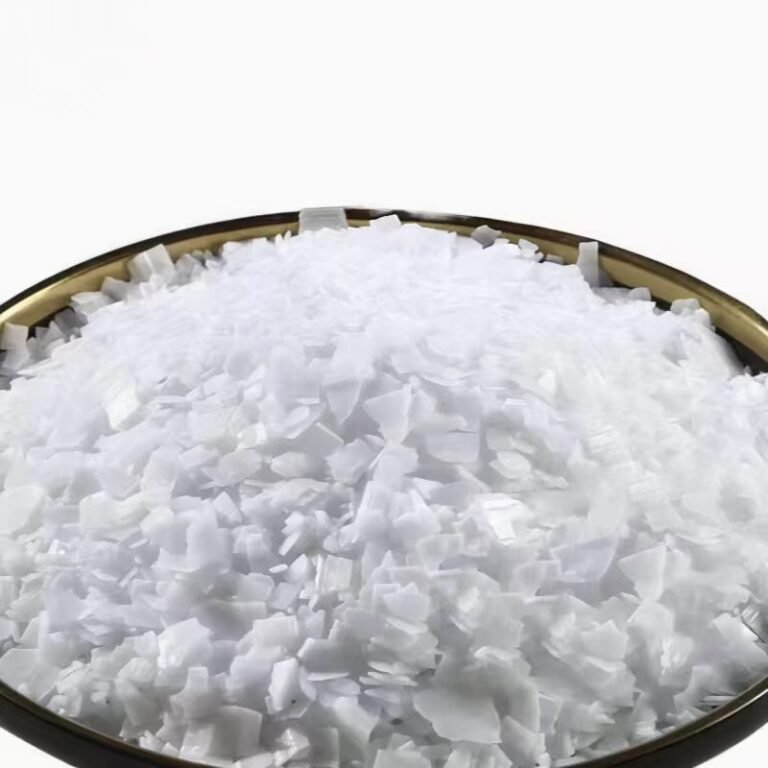
The successful commercialization of advanced synthetic materials depends heavily on a deep understanding of polymer physics, rheological behavior, and precision processing techniques. Within this specialized domain, Professional Methyl Methacrylate (MMA) serves as a vital foundation for engineers designing high-performance thermoplastics, specialized coatings, and reactive adhesives. Transforming a volatile, low-viscosity liquid monomer into durable, high-molecular-weight commercial plastics requires sophisticated thermal management, precise catalyst selection, and strict control over molecular weight distributions. Examining these technical parameters allows industrial processors to optimize extrusion lines, eliminate structural defects, and ensure consistent material performance across demanding applications.
1. Molecular Weight Distribution and Rheological Behavior
The physical and mechanical properties of polymethyl methacrylate (PMMA) are directly dictated by the average molecular weight and molecular weight distribution (MWD) achieved during the polymerization process. Controlling these parameters is essential for determining how the polymer behaves under stress, thermal processing, and mechanical loading.
-
Viscosity Control in Melts: During extrusion and injection molding, the melt flow index (MFI) must be carefully regulated. High molecular weight grades provide superior impact strength and chemical resistance but require higher processing temperatures and pressures.
-
Tacticity and Glass Transition Temperature: The stereoregularity of the polymer chain—whether syndiotactic, isotactic, or atactic—influences the glass transition temperature (Tg), typically hovering around 105 to 120 degrees Celsius. This thermal threshold dictates the maximum operating temperature for finished components.
-
Thermal Degradation Thresholds: Because PMMA can undergo depolymerization or chain scission when exposed to excessive thermal histories during processing, precise temperature zoning in compounding extruders is mandatory to prevent discoloration and gas formation.
Mastering these rheological properties allows manufacturers to produce optical-grade sheets, precision injection-molded lenses, and complex profiles without internal voids, residual stress lines, or optical distortions.
2. Optimization of Polymerization Catalysts and Initiators
The conversion of liquid monomer into solid polymer relies on the careful selection and metering of chemical initiators. Free-radical polymerization is most commonly driven by thermal decomposition of organic peroxides—such as benzoyl peroxide or azobisisobutyronitrile (AIBN)—or through redox systems designed for low-temperature curing applications.
-
Initiator Half-Life Kinetics: Engineers must select initiators whose half-life matches the specific temperature profile of the reactor, ensuring a steady, controlled generation of free radicals throughout the reaction cycle.
-
Chain Transfer Agents: To fine-tune molecular weight and prevent runaway viscosity spikes during bulk polymerization, specialized chain transfer agents like mercaptans are introduced to cap growing polymer chains systematically.
-
Copolymerization Adjustments: Introducing co-monomers such as methyl acrylate or butyl acrylate helps modify the thermal brittleness of pure PMMA, improving impact resistance and low-temperature flexibility for exterior automotive and construction applications.
Securing consistent reactivity grades by sourcing Methyl Methacrylate (MMA) Factory Direct eliminates batch-to-batch variations in inhibitor concentration, ensuring that catalytic recipes perform with absolute predictability.
3. Industrial Processing Methodologies: Extrusion and Injection Molding
Once the chemical synthesis is complete, raw polymer pellets or syrup formulations must be shaped into finished commercial products using advanced manufacturing equipment.
Continuous Cast and Extruded Sheet Production
Continuous casting and melt extrusion are the primary methods for manufacturing transparent acrylic sheets. Extrusion lines utilize specialized vented single-screw or twin-screw extruders to remove volatile residues before passing the polymer melt through precision coat-hanger die heads to achieve uniform thickness across wide spans.
Precision Injection Molding for Optical Components
High-precision optical lenses, automotive light guides, and electronic display covers require multi-stage injection molding machines equipped with high-pressure clamping units and ultra-clean barrel assemblies. Maintaining pristine mold cleanliness is critical to prevent surface blemishes or micro-contaminants in transparent components.
Reactive Casting for Heavy-Duty Structural Resins
For thick-section castings, polymer concrete, and structural repair mortars, liquid monomer syrups containing dissolved prepolymers are cast directly into molds or application sites and cured via ambient or thermally activated radical mechanisms.
4. Quality Assurance, Analytical Testing, and Compliance
Maintaining uncompromising quality standards in advanced polymer manufacturing requires rigorous analytical testing protocols throughout every stage of production. Facilities operating under a certified Methyl Methacrylate (MMA) Manufacturer framework implement advanced testing regimes to guarantee material excellence.
-
Gas Chromatography (GC): Used to verify monomer purity levels, ensuring assay values exceed 99.9% and detecting trace organic impurities or residual synthesis solvents.
-
Gel Permeation Chromatography (GPC): Measures molecular weight averages and polydispersity indices to predict mechanical strength and processing behavior.
-
Spectrophotometric Clarity Testing: Evaluates light transmission and yellowing indices for optical-grade resins destined for high-end electronics and architectural glazing.
These rigorous testing procedures protect downstream manufacturers from structural failures, ensuring that final consumer products meet international safety and performance standards.
Conclusion
The engineering and processing of Methyl Methacrylate represent a sophisticated intersection of organic chemistry, polymer physics, and advanced manufacturing technology. By maintaining rigorous control over rheological parameters, optimizing catalytic pathways, and employing precision processing equipment, modern industrial facilities can unlock the full performance spectrum of this versatile monomer. From lightweight electric vehicle components to crystal-clear optical displays, disciplined technical execution ensures that acrylic polymers continue to drive innovation across global industries.
Frequently Asked Questions
What role does the glass transition temperature play in processing PMMA?
The glass transition temperature defines the thermal threshold where the polymer transitions from a rigid solid to a flexible, rubbery state, guiding optimal temperatures for thermoforming and extrusion.
Why are chain transfer agents added during the polymerization of MMA?
Chain transfer agents regulate the average molecular weight of the polymer chains, preventing excessive viscosity buildup and ensuring consistent melt flow behavior during manufacturing.
How do continuous cast sheets differ from extruded acrylic sheets?
Continuous cast sheets offer superior optical clarity, higher molecular weight, and better chemical resistance, whereas extruded sheets provide tighter thickness tolerances and lower production costs.
What analytical methods are used to verify monomer purity before processing?
Gas chromatography (GC) is the industry standard for verifying high assay purity and detecting trace volatile impurities in incoming chemical feedstocks.
How does stereoregularity (tacticity) affect final polymer characteristics?
Tacticity dictates the spatial arrangement of side groups along the polymer backbone, directly influencing the material's crystallization tendencies, stiffness, and thermal transition points.
- Digital Agency
- Literie
- Location de voitures
- Restaurant
- Restaurant
- Mode
- Mode
- Information
- Marketing
- Tourisme
- Développement
- Découverte
- Législation
- Gastronomie
- Pâtisserie
- Event
- Art
- Causes
- Crafts
- Dance
- Drinks
- Film
- Fitness
- Food
- Games
- Gardening
- Health
- Home
- Literature
- Music
- Networking
- Other
- Party
- Religion
- Shopping
- Sports
- Theater
- Wellness
 English
 Indian
 French
 Arabic
 Spanish
 Portuguese
 Deutsch
 Turkish
 Dutch
Dutch
 Italiano
 Russian
 Romaian
 Portuguese (Brazil)
 Greek
Greek
