


40 Amp Circuit Breaker vs 30 Amp and 50 Amp Breakers: Which One Do You Need?
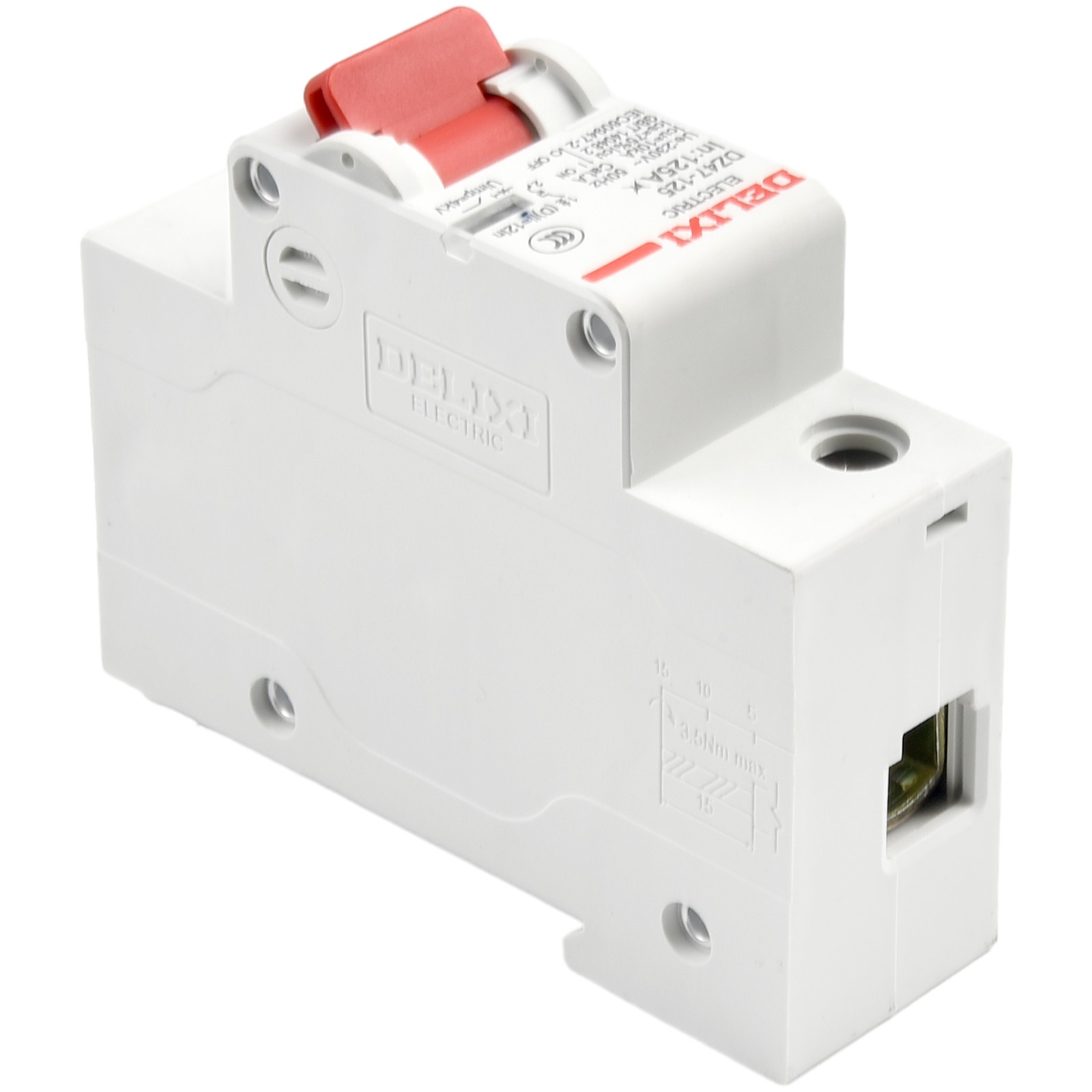
Choosing the correct circuit breaker is important for electrical safety, reliable performance, and proper equipment operation. A GE 40 Amp Circuit Breaker is commonly used for larger electrical appliances, but it may not always be the right choice. Some systems require a 30 amp breaker, while others need a 50 amp breaker. The correct size depends on the electrical load, equipment requirements, wire capacity, voltage, and local electrical code. Understanding the differences between these breaker sizes can help you make a safer and more informed decision.
Understanding Circuit Breaker Ratings
A circuit breaker is designed to protect electrical wiring and connected equipment from excessive current. When the electrical load exceeds the breaker's safe operating limit, the breaker trips and disconnects the circuit.
The amp rating shows the maximum current the breaker is designed to carry under normal conditions. However, the breaker rating must always match the circuit design and the requirements of the connected equipment.
Common breaker sizes include:
-
30 amp breakers.
-
40 amp breakers.
-
50 amp breakers.
Each size is suitable for different electrical applications.
What Is a 30 Amp Circuit Breaker Used For?
A 30 amp circuit breaker is commonly used for medium to high power equipment. Many 30 amp circuits operate at 240 volts and use a double pole breaker, although the exact setup depends on the equipment and electrical system.
Common applications include:
-
Electric clothes dryers.
-
Smaller air conditioning systems.
-
Some water heaters.
-
Certain workshop equipment.
-
RV electrical connections.
A 30 amp breaker is suitable when the equipment manufacturer specifies a 30 amp circuit and the wiring is properly rated.
What Is a 40 Amp Circuit Breaker Used For?
A 40 Amp Circuit Breaker is designed for equipment that requires more electrical capacity than a standard 30 amp circuit but less than a 50 amp circuit.
Common applications may include:
-
Electric ranges.
-
Large air conditioning units.
-
Heat pumps.
-
Electric water heaters.
-
Some electric vehicle chargers.
-
High power workshop equipment.
The exact application depends on the equipment specifications and the electrical design.
What Is a 50 Amp Circuit Breaker Used For?
A 50 amp circuit breaker is generally used for larger electrical loads. It provides more capacity than a 30 amp or 40 amp breaker and is often installed for equipment that requires higher current.
Common applications include:
-
Large electric ranges.
-
High capacity EV chargers.
-
Large RV connections.
-
Powerful workshop equipment.
-
Some electric heating systems.
A 50 amp breaker should only be used when the equipment and wiring are designed for that rating.
Comparing 30 Amp, 40 Amp, and 50 Amp Breakers
| Feature | 30 Amp Breaker | 40 Amp Circuit Breaker | 50 Amp Breaker |
|---|---|---|---|
| Electrical capacity | Lower | Medium | Higher |
| Common use | Dryers and smaller equipment | Larger appliances and HVAC systems | Large ranges and high capacity equipment |
| Typical voltage | Often 240 volts | Often 240 volts | Often 240 volts |
| Common configuration | Double pole | Double pole | Double pole |
| Load capability | Moderate | High | Higher |
| Installation needs | Properly sized wiring | Properly sized wiring | Larger properly sized wiring |
The correct breaker is determined by the electrical equipment and circuit requirements, not by choosing the largest available option.
How to Choose the Correct Breaker Size
When deciding between a 30 amp, 40 amp, or 50 amp breaker, review the equipment information and electrical system carefully.
Check:
-
Equipment nameplate rating.
-
Manufacturer installation instructions.
-
Required circuit voltage.
-
Minimum circuit ampacity.
-
Maximum overcurrent protection rating.
-
Wire size and conductor type.
-
Electrical panel compatibility.
-
Local electrical code requirements.
These details help identify the correct breaker size.
Why You Should Not Install a Larger Breaker
Some people replace a breaker with a larger size when the existing breaker trips frequently. This can be dangerous because the wiring may not be designed to handle the increased current.
Installing an oversized breaker may lead to:
-
Overheated wiring.
-
Damaged insulation.
-
Equipment damage.
-
Increased fire risk.
-
Electrical code violations.
A breaker that trips repeatedly should be inspected to identify the actual cause.
Understanding the Continuous Load Rule
Some electrical loads operate continuously for long periods. Depending on the applicable electrical code, continuous loads may require the circuit to be sized above the expected operating current.
For example, a 40 amp circuit may have a lower continuous load capacity based on the applicable rules and equipment requirements. However, electrical calculations should be completed according to local regulations and the manufacturer's instructions.
Wire Size Is Just as Important
The circuit breaker and electrical wiring must work together. A breaker protects the wiring, so the wire must be correctly sized for the circuit rating and installation conditions.
Wire capacity can be affected by:
-
Conductor material.
-
Insulation type.
-
Installation method.
-
Ambient temperature.
-
Number of conductors.
-
Local electrical code.
Do not select a breaker based only on the wire's physical appearance. A qualified electrician can verify the correct conductor size.
Check Electrical Panel Compatibility
Not every breaker fits every electrical panel. Circuit breakers are designed for specific panel brands, models, and breaker series.
Before purchasing, verify:
-
Panel manufacturer.
-
Panel model.
-
Approved breaker type.
-
Breaker mounting style.
-
Voltage rating.
Using an incompatible breaker may create safety and reliability problems.
When a 30 Amp Breaker Is the Best Choice
Choose a 30 amp breaker when:
-
The equipment manufacturer specifies a 30 amp circuit.
-
The electrical load is within the circuit rating.
-
The wiring is approved for the required installation.
-
The panel supports the correct breaker type.
A 30 amp breaker is not automatically better because it costs less. It must match the equipment and circuit.
When a 40 Amp Circuit Breaker Is the Best Choice
Choose a 40 Amp Circuit Breaker when:
-
The equipment specifies a 40 amp circuit.
-
The calculated electrical load supports this rating.
-
The wiring is correctly sized.
-
The panel is compatible with the breaker.
-
Local electrical requirements are met.
A 40 amp breaker provides a balance between capacity and protection for many larger appliances.
When a 50 Amp Breaker Is the Best Choice
Choose a 50 amp breaker when:
-
The equipment requires a 50 amp circuit.
-
The wiring is rated for the required load.
-
The panel supports the breaker.
-
The circuit design meets local electrical requirements.
A 50 amp breaker should not be installed simply to prevent a smaller breaker from tripping.
Common Mistakes to Avoid
Avoid these common errors when selecting a circuit breaker:
-
Choosing a larger breaker without checking the wiring.
-
Ignoring the equipment nameplate.
-
Using a breaker that is not approved for the panel.
-
Assuming all appliances use the same voltage.
-
Replacing a frequently tripping breaker without diagnosing the problem.
-
Ignoring local electrical codes.
Correct sizing improves safety and reduces the risk of equipment damage.
Conclusion
Choosing between a 30 amp breaker, a 40 Amp Circuit Breaker, and a 50 amp breaker depends on the electrical equipment, circuit load, wire capacity, and installation requirements. A 30 amp breaker is suitable for many medium power appliances, a 40 amp breaker supports larger loads, and a 50 amp breaker is used for higher capacity equipment. The best choice is always the breaker specified by the equipment manufacturer and supported by the electrical system. If you are unsure about breaker size, wiring, or panel compatibility, consult a qualified electrician before making changes.
Frequently Asked Questions
Can I replace a 30 amp breaker with a 40 amp breaker?
Not automatically. The equipment, wiring, panel, and circuit design must all support the higher rating. A larger breaker should not be installed only to stop tripping.
Is a 40 amp breaker stronger than a 30 amp breaker?
A 40 amp breaker is designed to carry more current than a 30 amp breaker, but it is not always the correct choice. The breaker must match the circuit requirements.
Can I use a 50 amp breaker instead of a 40 amp breaker?
Only if the equipment, wiring, panel, and electrical design are approved for a 50 amp circuit. Otherwise, using a larger breaker may create a safety risk.
What happens if a circuit breaker is too small?
An undersized breaker may trip frequently because it cannot support the normal electrical load. The cause should be checked before changing the breaker.
How do I know which breaker size I need?
Check the equipment nameplate, manufacturer instructions, circuit voltage, wire specifications, and local electrical requirements. A qualified electrician can confirm the correct breaker size.
- Digital Agency
- Literie
- Location de voitures
- Restaurant
- Restaurant
- Mode
- Mode
- Information
- Marketing
- Tourisme
- Développement
- Découverte
- Législation
- Gastronomie
- Pâtisserie
- Evento
- Art
- Causes
- Crafts
- Dance
- Drinks
- Film
- Fitness
- Food
- Jogos
- Gardening
- Health
- Início
- Literature
- Music
- Networking
- Outro
- Party
- Religion
- Shopping
- Sports
- Theater
- Wellness
 Portuguese
 Indian
 English
 French
 Arabic
 Spanish
 Deutsch
 Turkish
 Dutch
Dutch
 Italiano
 Russian
 Romaian
 Portuguese (Brazil)
 Greek
Greek
