


How Flavour Development Impacts Protein Powder Success?
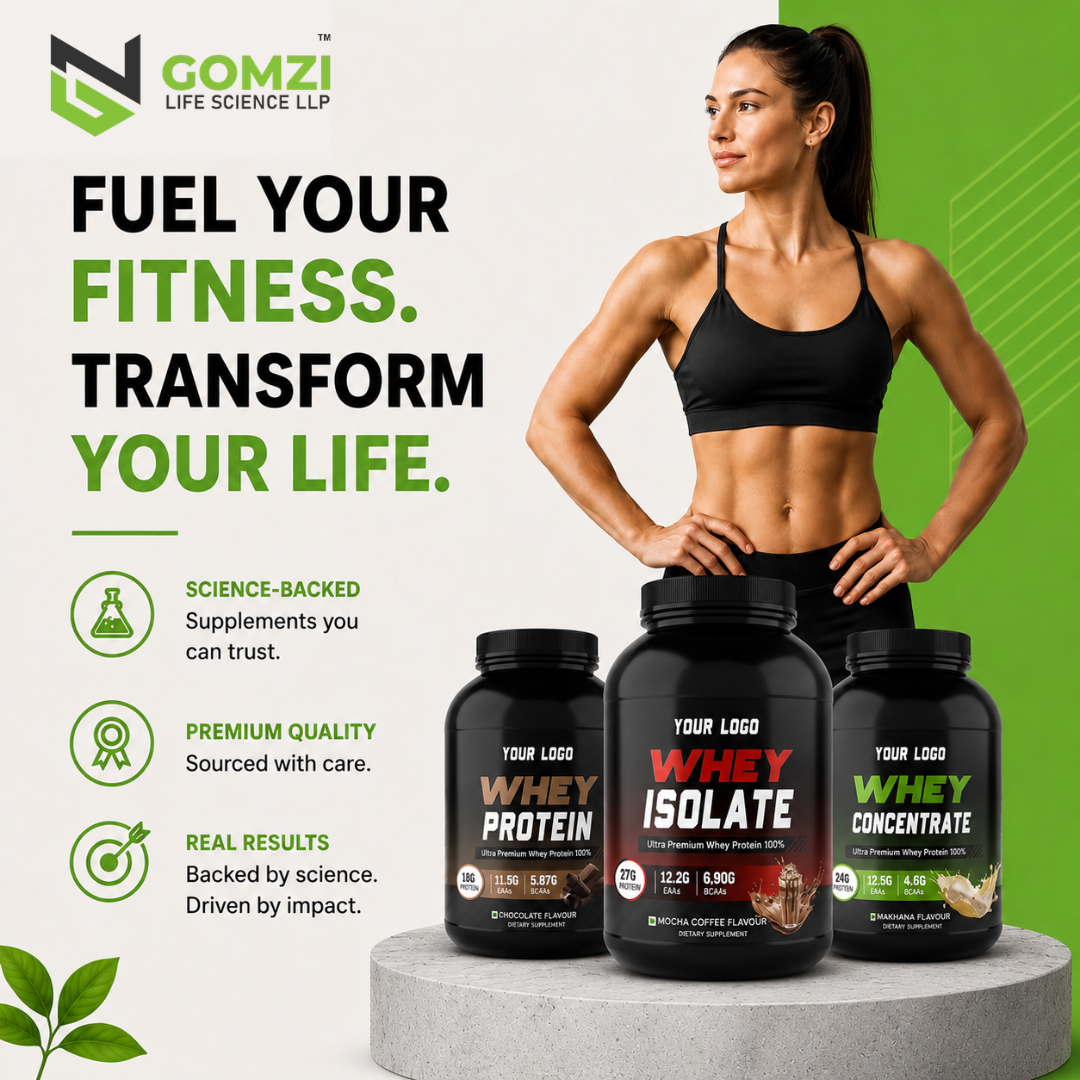
The global protein supplement industry continues to evolve rapidly as consumers demand better nutrition, convenience, and taste. Modern buyers no longer choose products based only on protein content. Instead, flavour, texture, ingredient transparency, and overall experience strongly influence purchasing decisions.
Current protein powder market trends show that consumers increasingly prefer products that combine performance with enjoyable taste and clean ingredients.
In today’s competitive supplement space, flavour development has become a major differentiator for brands looking to improve customer retention and long-term loyalty. Whether the product is whey-based or plant-based, consumers expect smooth texture, balanced sweetness, and satisfying flavour profiles that make daily consumption enjoyable.
Challenges in Protein Powder Flavour Development
Developing great-tasting protein powders is technically challenging because protein ingredients naturally create bitterness, chalkiness, or unpleasant aftertastes.
One of the biggest challenges in protein powder flavour development is balancing nutritional quality with a flavour experience that appeals to a wide audience.
Different protein sources create unique formulation issues:
- Whey protein can produce dairy-heavy notes
- Pea protein may taste earthy or grassy
- Soy protein sometimes creates beany flavours
- Rice protein can affect mouthfeel and texture
Flavour scientists use advanced masking technologies, aroma balancing, and texture optimization to improve overall product acceptance.
Innovation and Consumer Demand
Consumer expectations have expanded beyond traditional chocolate and vanilla flavours. Brands now compete through dessert-inspired flavours, functional beverages, and premium sensory experiences. This shift has accelerated investment in whey protein flavour innovation, especially among premium sports nutrition brands aiming to stand out in crowded retail and eCommerce markets.
Popular flavour innovations include:
- Salted caramel
- Cinnamon cereal
- Mocha coffee
- Birthday cake
- Chai latte
- Blueberry muffin
These flavours help brands attract younger audiences and improve repeat purchases.
Why Flavour Matters in Protein Powder Products?
Taste Drives Repeat Purchases
Unlike one-time purchases, protein powders are consumed daily or multiple times per week. If a product tastes unpleasant, customers are unlikely to continue using it regardless of its nutritional benefits.
Consumers often prioritize:
- Smooth taste
- Balanced sweetness
- Natural flavour profile
- Pleasant aftertaste
- Easy mixability
- Creamy texture
- Aroma consistency
A great-tasting protein powder increases the likelihood of:
- Repeat purchases
- Subscription retention
- Positive customer reviews
- Brand recommendations
- Social media sharing
- Long-term customer loyalty
Taste has become one of the strongest differentiators in a crowded supplement marketplace.
The Relationship Between Flavour and Consumer Psychology
Emotional Connection with Taste
Flavour is closely tied to emotion and memory. Consumers often associate specific flavours with comfort, indulgence, fitness motivation, or lifestyle identity.
Modern consumers increasingly check ingredient labels before making supplement purchases. As a result, demand for clean label protein powder products continues growing across fitness and wellness markets.
For example:
- Chocolate flavours create familiarity and comfort
- Vanilla flavours feel clean and versatile
- Coffee flavours appeal to energy-focused consumers
- Dessert-inspired flavours provide indulgence without guilt
- Fruit flavours create perceptions of freshness and wellness
When brands develop flavours that emotionally connect with consumers, they create stronger product attachment and better customer retention.
Research and Product Development
Successful supplement companies invest heavily in sensory testing, flavour chemistry, and formulation science to create products consumers genuinely enjoy.
Strong research processes are essential for effective sports supplement manufacturer especially as competition increases across the global nutrition industry.
Perceived Product Quality
Consumers often judge product quality based on flavour experience. If a protein powder tastes artificial, bitter, chalky, or overly sweet, users may assume the ingredients are low quality even if the nutritional profile is excellent.
A premium flavour profile can enhance:
- Brand positioning
- Product trust
- Consumer confidence
- Premium pricing opportunities
Common Flavour Challenges in Protein Powder Development
Developing successful protein powder flavours is far more complex than standard food flavouring. Protein ingredients naturally create formulation challenges.
Bitterness from Protein Sources
Many protein ingredients have strong natural flavours.
Examples include:
- Pea protein can taste earthy or grassy
- Whey protein may develop dairy notes
- Soy protein can produce beany flavours
- Rice protein may create grainy textures
Flavour developers must mask undesirable notes while maintaining nutritional integrity.
Texture and Mouthfeel Issues
Texture significantly affects flavour perception.
Consumers dislike:
- Chalky consistency
- Gritty particles
- Foam formation
- Thick residue
- Dry aftertaste
Advanced formulation techniques help improve:
- Creaminess
- Smoothness
- Solubility
- Drinkability
Sweetener Balance
Protein powders require careful sweetness calibration.
Too much sweetness creates:
- Artificial taste
- Flavor fatigue
- Poor aftertaste
Too little sweetness may expose bitterness from protein ingredients.
Successful flavour systems balance sweetness while supporting the desired flavour identity.
Key Elements of Successful Protein Powder Flavour Development
1. Ingredient Compatibility
Flavours must work harmoniously with protein ingredients, sweeteners, stabilizers, and functional additives.
Developers must evaluate:
- Heat stability
- Shelf-life performance
- pH compatibility
- Ingredient interactions
- Oxidation resistance
The goal is to ensure consistent flavour throughout the product lifecycle.
2. Aroma Engineering
Aroma strongly influences perceived flavour.
Consumers experience flavour through both:
- Taste receptors
- Smell receptors
Protein powders with appealing aroma profiles create stronger sensory satisfaction.
Popular aroma-focused flavour profiles include:
- Cookies and cream
- Chocolate brownie
- Salted caramel
- Mocha coffee
- Vanilla milkshake
- Strawberry cream
3. Texture Optimization
Modern consumers expect protein powders to resemble premium beverages.
Texture optimization focuses on:
- Smooth blending
- Reduced sedimentation
- Creamy consistency
- Fast dissolving capability
- Reduced foam
4. Aftertaste Control
Aftertaste can determine whether consumers repurchase a product.
Common aftertaste issues include:
- Metallic sweetness
- Chemical notes
- Bitter residue
- Dry mouthfeel
Flavor scientists use masking technologies and natural flavor enhancers to improve post-consumption experience.
The Rise of Innovative Protein Powder Flavours
Consumer demand has shifted beyond basic vanilla and chocolate.
Today’s market includes:
- Birthday cake
- Cinnamon cereal
- Chocolate peanut butter
- Matcha latte
- Mango smoothie
- Salted caramel
- Banana cream pie
- Tiramisu
- Chai latte
- Blueberry muffin
Innovation helps brands:
- Differentiate products
- Attract younger consumers
- Increase social media visibility
- Encourage product trials
- Build viral marketing opportunities
Limited-edition flavours also create excitement and urgency among customers.
Plant-Based Protein and Flavour Innovation
Plant-based protein powders present unique flavour challenges.
Common plant proteins include:
- Pea protein
- Brown rice protein
- Hemp protein
- Pumpkin seed protein
- Soy protein
These ingredients often have stronger natural flavours than whey protein.
As plant-based nutrition grows globally, flavour innovation becomes increasingly important for market acceptance.
Brands now invest heavily in:
- Natural masking systems
- Organic flavours
- Botanical extracts
- Fermentation technologies
- Clean-label flavouring
Consumers expect plant-based products to taste just as enjoyable as dairy-based alternatives.
Clean Label Trends in Protein Powder Flavour Development
Modern consumers increasingly prefer:
- Natural ingredients
- Organic sweeteners
- No artificial colours
- No synthetic flavours
- Transparent labels
This trend has changed flavour development strategies.
Brands are replacing artificial ingredients with:
- Monk fruit
- Stevia
- Coconut sugar
- Cocoa powder
- Natural vanilla extract
- Fruit concentrates
However, creating strong flavours using natural ingredients can be more technically challenging.
Successful clean-label products balance:
- Taste quality
- Ingredient transparency
- Nutritional goals
- Shelf stability
How Flavour Impacts Brand Reputation?
Online Reviews and Social Proof
Consumers frequently discuss flavour in:
- Product reviews
- YouTube videos
- Reddit discussions
- Fitness forums
- Social media content
A poor flavour experience can quickly damage brand reputation.
On the other hand, excellent flavour can generate:
- Organic word-of-mouth marketing
- Influencer recommendations
- Customer testimonials
- Viral product popularity
Customer Retention
Acquiring new customers is expensive.
Brands that create enjoyable flavours improve:
- Subscription renewals
- Repeat purchase rates
- Average customer lifetime value
- Long-term loyalty
Taste satisfaction directly impacts retention metrics.
- Digital Agency
- Literie
- Location de voitures
- Restaurant
- Restaurant
- Mode
- Mode
- Information
- Marketing
- Tourisme
- Développement
- Découverte
- Législation
- Gastronomie
- Pâtisserie
- Event
- Art
- Causes
- Crafts
- Dance
- Drinks
- Film
- Fitness
- Food
- Games
- Gardening
- Health
- Home
- Literature
- Music
- Networking
- Other
- Party
- Religion
- Shopping
- Sports
- Theater
- Wellness
 English
 Indian
 French
 Arabic
 Spanish
 Portuguese
 Deutsch
 Turkish
 Dutch
Dutch
 Italiano
 Russian
 Romaian
 Portuguese (Brazil)
 Greek
Greek
