


5 Costly Tonneau Cover Buying Mistakes That Are Easy to Avoid
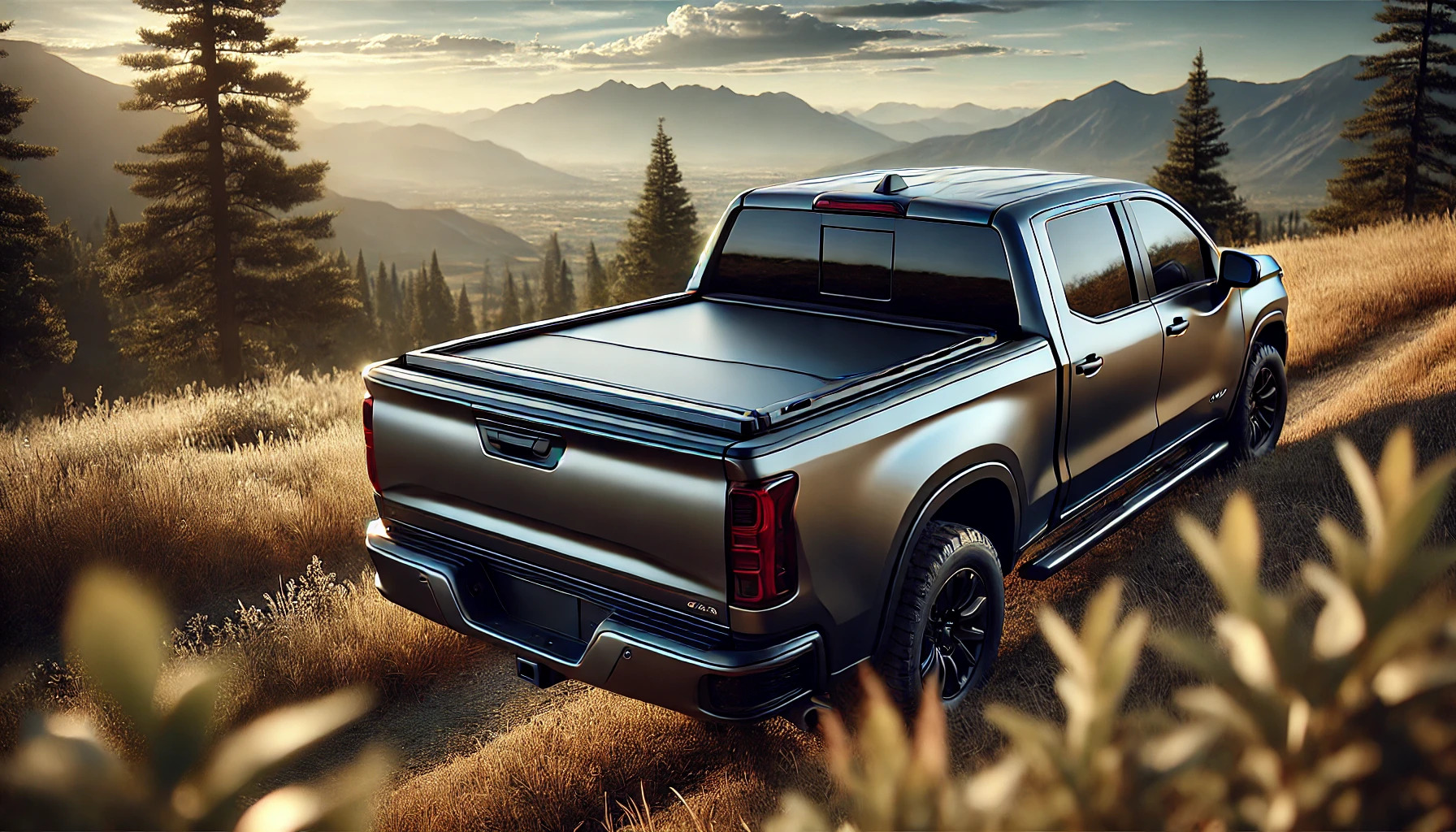
Buying a tonneau cover seems simple at first. Pick a style, choose a brand, install it, and enjoy a cleaner, more secure truck bed. But many Ford owners learn the hard way that small mistakes during the buying process can lead to leaks, poor fitment, frustration, and wasted money.
The good news is that most of those mistakes are easy to avoid. If you know what matters before you buy, you can choose a cover that actually fits your truck, supports your daily use, and gives you the protection you expected. This guide breaks down five of the most common and costly buying mistakes so you can make a smarter decision the first time.
1. Buying the wrong fit
The most expensive mistake is choosing a cover that does not fit your truck bed correctly. Tonneau covers are not universal, and even small differences in bed length, model year, cab style, or trim can affect fitment. A cover made for a 5.5-foot bed will not work properly on a 6.5-foot bed, and that mismatch can create a long list of problems.
Poor fitment often shows up as gaps, leaks, crooked rails, or a cover that does not latch the way it should. In some cases, owners spend money on a cover only to discover that it interferes with a bedliner, tie-downs, toolbox, or bed caps. That means more returns, more delays, and more wasted effort.
Before buying, always confirm the exact Ford model, bed size, and year range. If your truck has accessories already installed, make sure the cover is compatible with them. A few minutes of checking fitment can save you from a lot of regret later.
2. Choosing price over quality
It is easy to focus on price when shopping for a tonneau cover, especially if you see several options that look similar online. But the cheapest cover is not always the best deal. In many cases, a lower price means weaker materials, less durable seals, lower-grade clamps, or thinner panels that may not hold up over time.
A poor-quality cover can start causing problems quickly. The seals may wear out, the fabric may sag, the latch may loosen, or the cover may begin to flap at highway speed. If that happens, the money you saved upfront disappears fast because you may end up replacing the cover sooner than expected.
A better strategy is to think in terms of value instead of raw price. Ask whether the cover has strong hardware, reliable construction, a decent warranty, and good reviews from owners with the same truck. Spending a little more for a quality product often saves more money in the long run.
3. Ignoring the cover type
Not all tonneau covers do the same job. One of the biggest buying mistakes is assuming that any cover will work equally well for every truck owner. The truth is that soft roll-up, soft tri-fold, hard tri-fold, hard roll-up, and retractable covers all have different strengths and weaknesses.
A soft roll-up cover is usually a good choice if you want easy access and a lower price. A soft tri-fold offers convenience and moderate structure. A hard tri-fold gives you better security, more durability, and a more premium feel. A retractable cover may offer the smoothest operation, but it often costs more and may be more complex to install.
If you choose the wrong type, the cover may technically fit but still feel wrong in daily use. For example, a soft cover may be fine for light-duty protection, but it will not give the same security as a hard folding model. A hard cover may be great for security, but it may also be heavier or more expensive than you need.
The right style depends on how you use your truck. If you haul tools, leave cargo in the bed often, or need better theft deterrence, hard folding usually makes more sense. If you want simple weather protection and easy bed access, a softer design may be the better match.
4. Overlooking seals and hardware
A tonneau cover is only as good as the parts that hold it together and keep water out. Many buyers focus on the look of the cover and forget to inspect the seals, clamps, hinges, latches, and mounting rails. That mistake can lead to leaks, rattles, and poor operation.
Weather sealing is especially important if you park outside or drive in rain and snow. Even a well-designed cover can let in some moisture, but a poorly sealed cover can become a problem very quickly. Weak corner seals, loose rails, or missing drain components can turn what should be a protective upgrade into a source of frustration.
Hardware quality matters just as much. Cheap clamps may shift over time. Weak latches may not stay secure. Hinges may loosen after repeated folding. When these parts fail, the cover no longer performs the way it should, and repairing it may not be worth the trouble.
Before buying, check what hardware is included and whether the seals are replaceable. If you are buying used, inspect the hardware closely because a low price can hide expensive missing parts. A good-looking cover with bad hardware is usually a bad investment.
5. Forgetting about your real use case
Another common mistake is buying a cover based on appearance instead of how you actually use your truck. A tonneau cover should match your lifestyle, not just your taste. If you haul tall cargo regularly, a cover that blocks bed access may become frustrating. If you keep tools or valuables in the bed, a soft cover may not give enough security.
Think about how often you open the bed and what you typically carry. A contractor may need stronger security and a cover that can handle daily use. A weekend camper may care more about weather protection and easy access. A commuter who only uses the bed occasionally may want something simple and budget-friendly.
This is where many buyers get stuck. They pick the cover that looks best in photos or has the most features on paper, but it does not fit their actual habits. That leads to disappointment even if the cover itself is well made.
The best cover is the one that solves your real problem. If your biggest concern is weather protection, buy for sealing. If your biggest concern is access, buy for convenience. If your biggest concern is security, buy a hard cover. Matching the cover to your use case is the easiest way to avoid buyer’s remorse.
A simple way to choose smarter
You can avoid most tonneau cover mistakes by asking five questions before you buy.
-
Does it fit my exact Ford model, year, and bed length?
-
Is the build quality strong enough for how I use my truck?
-
Is this the right style for my daily needs?
-
Do the seals and hardware look durable?
-
Will it still work with my bedliner, rails, or other accessories?
If the answer to any of these is unclear, slow down before ordering. That small pause can save you from returns, fitment issues, and disappointment.
Factory, aftermarket, and used covers
Buyers also make mistakes by assuming that a factory cover is always better or that a used cover is automatically a bargain. Factory or dealer-installed covers can be convenient, but they are not always the best value. Aftermarket covers usually give you more options, better pricing, and a wider range of features.
Used covers can also be risky if you do not inspect them carefully. Missing hardware, worn seals, bent rails, and faded materials can turn a “deal” into a headache. Unless you know exactly what you are getting, a used cover can cost more in the long run than a new one.
The safest approach is to compare options by fit, materials, warranty, and real-world usefulness rather than by brand name alone. That mindset helps you avoid paying extra for convenience you may not need.
Installation mistakes matter too
Even a good tonneau cover can become a bad purchase if it is installed incorrectly. Rushing the job, over-tightening clamps, or skipping alignment checks can create leaks and uneven fit. Some owners blame the product when the real issue is the install.
Before you start, read the instructions carefully and make sure the bed rails are clean. Dry-fit the cover before fully tightening anything. Check that the cover opens, closes, and latches the way it should. A careful install protects your investment and makes the cover perform much better.
If you are not comfortable doing it yourself, professional installation may be worth the extra cost. That is especially true for more complex hard folding or retractable covers. A correct installation is part of getting value from the cover you bought.
What smart buyers do differently
The best buyers do not just shop by price or looks. They compare the cover style, the fitment, the hardware, the weather protection, and how the cover fits their daily routine. They also read enough to understand what they are giving up when they choose one style over another.
That approach usually leads to better satisfaction. Instead of buying the most popular cover or the cheapest one, they buy the one that solves their actual problem. That is why some owners are thrilled with a soft roll-up, while others prefer a hard tri-fold, and others want a retractable design.
There is no single “best” cover for everyone. There is only the best cover for your truck and your habits.
Final takeaway
The five costly mistakes are simple but important: buying the wrong fit, choosing price over quality, ignoring the cover type, overlooking seals and hardware, and forgetting your real use case. If you avoid those, you are already ahead of most first-time buyers.
A good tonneau cover should make your Ford more useful, not more frustrating. It should fit correctly, work smoothly, protect your cargo, and match the way you actually use your truck. When you buy with those goals in mind, the cover becomes a smart upgrade instead of an expensive regret.
- Digital Agency
- Literie
- Location de voitures
- Restaurant
- Restaurant
- Mode
- Mode
- Information
- Marketing
- Tourisme
- Développement
- Découverte
- Législation
- Gastronomie
- Pâtisserie
- Evenement
- Art
- Causes
- Crafts
- Dance
- Drinks
- Film
- Fitness
- Food
- Spellen
- Gardening
- Health
- Home
- Literature
- Music
- Networking
- Overig
- Party
- Religion
- Shopping
- Sports
- Theater
- Wellness
 Dutch
Dutch
 Indian
 English
 French
 Arabic
 Spanish
 Portuguese
 Deutsch
 Turkish
 Italiano
 Russian
 Romaian
 Portuguese (Brazil)
 Greek
Greek
