


Gucci Made in Italy Handbags: A Century of Florentine Artistry and Timeless Luxury
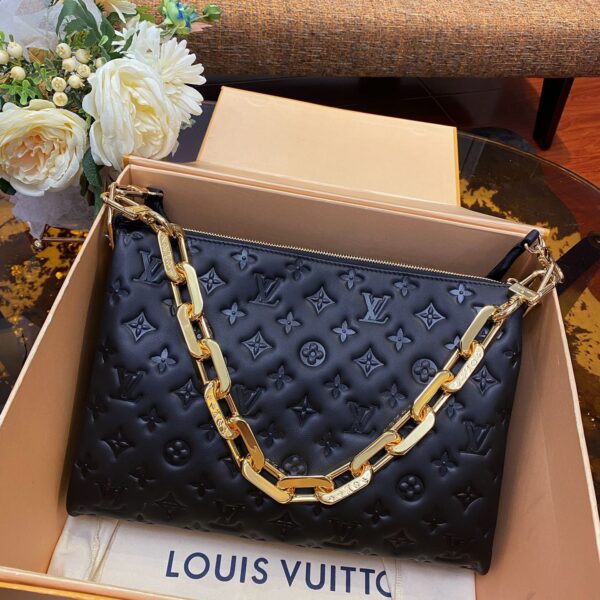
The story of Gucci is inextricably woven into the fabric of Italian history, a narrative that begins not in the fashion capitals of Milan or Paris, but in the historic streets of Florence. It was here, in 1921, that Guccio Gucci founded a company producing leather goods, pairing the refined aesthetic he had encountered while working at London's elegant Hotel Savoy with the extraordinary craftsmanship of Tuscan artisans. This fusion of English aristocratic taste and Florentine leatherworking traditions would become the cornerstone of a brand that would eventually define Italian luxury for generations.
What began as a small retail shop at 47 Via Vigna Nuova dealing in handbags made by Guccio Gucci himself gradually evolved into a global phenomenon. The House's early years were marked by a commitment to quality that remains unchanged to this day, with each piece reflecting the meticulous attention to detail that only Italian artisanship can provide. By 1937, Gucci had launched its first handbags, created using unique techniques developed by its master artisans. These early creations established a template for excellence that would guide the House through the decades to come.
The Gucci made in Italy handbags that grace the arms of style icons today are direct descendants of those pioneering designs, each carrying forward the spirit of innovation and dedication to craft that defined the brand's founding. The journey from those early days to the present has been one of continuous evolution, yet the core principles have remained remarkably consistent: an unwavering commitment to quality materials, extraordinary craftsmanship, and design that transcends passing trends.
What "Made in Italy" Truly Represents
When one encounters the words "Made in Italy" on a Gucci creation, they represent far more than a simple country of origin label. This designation speaks to centuries of artistic tradition, generations of specialized knowledge passed from master to apprentice, and an entire culture that views craftsmanship as an art form rather than mere manufacturing.
The phrase "Made in Italy" has been carefully protected and celebrated by Gucci, appearing not just as a label but as a statement of authenticity and quality. In the world of luxury fashion, Italian-made goods occupy a special place, and Gucci has been instrumental in establishing and maintaining this reputation. The brand's dedication to Italian production is evident across its entire range, from the most elaborate handbags to the simplest accessories.
Italian craftsmanship is distinguished by several key characteristics that set it apart from mass production elsewhere. The attention to detail, the willingness to spend hours perfecting a single stitch, the intimate knowledge of leather and its properties—these are qualities that cannot be replicated by machines or outsourced to lower-cost production facilities. When you hold a Gucci made in Italy handbag, you are experiencing the culmination of this tradition, a tangible connection to the artisans who poured their expertise into its creation.
The commitment to Italian production extends beyond handbags to encompass the full spectrum of Gucci's offerings. Whether examining a pair of meticulously constructed shoes, a finely crafted wallet, or an exquisitely detailed belt, the "Made in Italy" mark serves as a guarantee of the highest standards. This dedication to domestic production has remained steadfast even as many luxury brands have moved manufacturing overseas in pursuit of lower costs.
The Art and Science of Gucci Handbag Creation
The creation of a Gucci made in Italy handbag is a process that combines time-honored techniques with modern innovation, all orchestrated by skilled artisans who have dedicated their careers to mastering their craft. Each handbag represents countless hours of labor, with multiple artisans contributing their specialized skills to the finished product.
The journey begins with the selection of materials, a process that demands extraordinary expertise. Gucci artisans carefully evaluate each hide, considering its texture, grain, flexibility, and color consistency. Only the most exceptional materials progress to the next stage of production. The leather used in Gucci handbags is sourced from the finest tanneries, many of which have supplied the House for decades and share its commitment to quality.
One of the most remarkable examples of Gucci's innovative craftsmanship is the iconic Bamboo handle, first introduced in 1947. The creation of this distinctive element demonstrates the extraordinary skill of Gucci's artisans. The process begins with selecting the most unblemished pieces of bamboo, which are then softened and worked over an open flame to bend the material into the desired shape. Once shaped, the handle is coated in multiple layers of lacquer and baked to achieve a shiny golden-brown finish. This labor-intensive process, born from the material shortages of post-war Italy, has become one of the House's most recognizable signatures, a testament to the creativity and resourcefulness of Italian artisans.
The stitching that holds a Gucci handbag together is another area where the brand's commitment to excellence becomes apparent. Each stitch is precisely placed, with tension carefully controlled to ensure durability and aesthetic perfection. The artisans who perform this work have undergone extensive training, developing the muscle memory and eye for detail that allows them to maintain consistent quality across thousands of pieces.
Hardware elements, from the iconic Double G to the Horsebit motif, are crafted with equal attention to detail. These metal components are produced using traditional techniques that have been refined over decades, resulting in pieces that not only function flawlessly but also develop a beautiful patina over time. The Horsebit motif, first introduced on a handbag in 1955, was created by Gucci's sons as a tribute to their father's fondness for equestrianism, and it remains one of the House's most enduring symbols.
Iconic Handbag Silhouettes That Define Generations
The history of Gucci made in Italy handbags is punctuated by iconic designs that have achieved legendary status, each representing a moment in fashion history while remaining perpetually relevant. These silhouettes have been carried by style icons, appeared on the arms of Hollywood legends, and become symbols of sophisticated taste across the globe.
The Gucci Bamboo 1947, born from necessity and innovation, stands as perhaps the most emblematic of these designs. Its distinctive curved bamboo handle, crafted using techniques that remain largely unchanged since the bag's introduction, makes it instantly recognizable. The bag's saddle-shaped silhouette recalls Gucci's equestrian heritage, while the bamboo element speaks to the resourcefulness that has always characterized Italian design. This handbag represents the perfect marriage of form and function, a creation that is as practical as it is beautiful.
The Jackie 1961, another legendary silhouette, takes its name from Jacqueline Kennedy Onassis, who was frequently photographed carrying the bag. This hobo-style design exemplifies the understated elegance that has long been a hallmark of Italian luxury. Its simple, uncluttered lines allow the quality of materials and craftsmanship to take center stage, a reminder that true luxury need not shout to be noticed.
The GG Marmont collection, with its distinctive matelassé leather, represents a more contemporary expression of Gucci's design philosophy. The quilted pattern, evocative of Florentine craftsmanship, adds texture and visual interest while maintaining the refined elegance that defines the brand. This collection has become a favorite among modern style enthusiasts, demonstrating that the principles of Italian craftsmanship remain as relevant today as they were a century ago.
The Horsebit 1955 collection pays homage to one of Gucci's most enduring motifs, the Horsebit hardware that first appeared on handbags in 1955. This design element, inspired by Guccio Gucci's equestrian background, has become synonymous with the brand, appearing not only on handbags but also on shoes, belts, and other accessories. The Horsebit 1955 handbag combines this iconic hardware with classic silhouettes, creating pieces that feel both timeless and contemporary.
Each of these iconic designs shares certain characteristics: impeccable construction, extraordinary materials, and a design that transcends the whims of fashion. They represent the best of what Gucci made in Italy handbags have to offer, pieces that can be passed down through generations, gaining character and value with each passing year.
Beyond Handbags: The Complete Gucci Lifestyle
While Gucci is perhaps most famous for its handbags, the House's commitment to Italian craftsmanship extends across a comprehensive range of luxury goods. From footwear to accessories, jewelry to watches, each category reflects the same dedication to quality that defines the brand's handbag collection.
Gucci shoes, crafted in Italy from the finest materials, exemplify the brand's approach to luxury footwear. Whether examining a pair of the iconic Horsebit loafers or the contemporary G75 sneakers, one finds the same attention to detail that characterizes the handbag collection. The leather soles, precise stitching, and elegant silhouettes speak to generations of Italian shoemaking tradition. Each pair is constructed using carefully selected materials and finished with the same care that goes into the most elaborate handbag. The House's commitment to Italian production extends to every type of footwear, from elegant heels and mules to sophisticated dress shoes and casual sneakers.
Gucci wallets, belt bags, and card cases represent the brand's dedication to craftsmanship on a smaller scale. These accessories demonstrate that luxury need not be confined to large pieces; the same principles of quality construction and exceptional materials apply whether creating a handbag or a simple card case. The GG Marmont continental wallet, for instance, showcases the same matelassé leather and careful construction as its namesake handbag. Belt bags, such as the GG jumbo small belt bag, combine functionality with Italian elegance, featuring adjustable straps and careful attention to every detail. Each of these accessories is made with carefully selected materials in Italy, ensuring the same level of quality that discerning customers expect from the brand.
The jewelry and watch collections represent another dimension of Gucci's Italian heritage. Recent collaborations, such as the Monili collection created with Pomellato, demonstrate the brand's commitment to celebrating Italian craftsmanship across all categories. Named after the Italian word for "jewels," Monili marries soft leather with precious metals and gemstones, creating pieces that are both wearable and sculptural. The Labirinti Gucci high jewelry collection, inspired by Italian gardens, reimagines iconic symbols like the Horsebit and Marina Chain in precious materials. These collections represent Gucci's evolution from a leather goods house to a comprehensive luxury lifestyle brand, all while maintaining the commitment to Italian craftsmanship that has defined it since 1921.
Watches from Gucci, such as the Gucci 25H, showcase the House's ability to apply its design sensibility to timepieces. These watches combine Swiss watchmaking precision with Italian design flair, resulting in pieces that are both functional and fashionable. The attention to detail that distinguishes Gucci's handbags is equally evident in these timepieces, from the quality of the materials to the elegance of the design.
Gucci hats, crafted in Italy using techniques like jacquard weaving, offer another expression of the brand's commitment to quality. Whether a classic cap or a more elaborate design, each hat reflects the same dedication to craftsmanship that characterizes every Gucci product. The GG pattern, so familiar from the brand's handbags and luggage, appears on hats in woolsilk blends and other fine materials, extending the Gucci aesthetic to headwear.
This comprehensive approach to luxury lifestyle products allows customers to incorporate Italian craftsmanship into every aspect of their lives. From the Gucci made in Italy handbag carried during the day to the watch worn in the evening, the shoes that complete an outfit to the belt that adds a finishing touch, each piece represents the same commitment to excellence.
The Enduring Appeal of Italian Luxury
What is it about Gucci made in Italy handbags and other Italian luxury goods that continues to captivate discerning consumers around the world? The answer lies in a combination of factors that together create an experience that mass-produced goods simply cannot replicate.
The tactile quality of an Italian-made Gucci piece is immediately apparent to anyone who handles it. The leather feels different—more supple, more alive—than its mass-produced counterparts. This is not a coincidence but the result of careful material selection and time-honored tanning processes that preserve the natural characteristics of the hide. The "cuoio Toscano" or Tuscan leather used in some collections provides a signature softness and luxurious hand-feel that is unmistakably Italian.
The visual appeal of Italian craftsmanship is equally compelling. The precise stitching, the perfectly aligned patterns, the flawless finishes—these qualities communicate a level of care and attention that is increasingly rare in the modern world. Each piece tells a story of human skill and dedication, a reminder that some things cannot be rushed or automated.
The emotional connection that develops between owner and object is another factor in the enduring appeal of Italian luxury. A Gucci made in Italy handbag is not merely a functional accessory but a companion, a witness to life's moments, large and small. Over time, the leather develops a patina that reflects its unique history, becoming more beautiful with age. This relationship between object and owner is something that disposable fashion can never replicate.
The cultural significance of Italian luxury also plays a role. Italy has long been associated with beauty, artistry, and the good life. Owning a piece of Italian craftsmanship is a way of participating in that culture, of bringing a small piece of La Dolce Vita into one's daily existence. Gucci, as one of Italy's most iconic luxury brands, serves as a particularly potent symbol of this cultural heritage.
For those who appreciate the finer things in life, the choice to invest in Gucci made in Italy handbags and other Italian luxury goods represents a commitment to quality, a rejection of disposability, and an affirmation of the value of human skill and creativity. In a world increasingly dominated by mass production and fleeting trends, Italian craftsmanship stands as a beacon of enduring value.
The Art of Selection: Choosing Your Gucci Piece
For those considering adding a Gucci made in Italy handbag or other luxury piece to their collection, the selection process is itself a journey of discovery. With so many iconic designs and materials to choose from, finding the perfect piece requires careful consideration of personal style, intended use, and the qualities that matter most.
The iconic Gucci Bamboo 1947, with its distinctive handle and saddle-shaped silhouette, offers a connection to the House's history and a design that remains fresh after more than seven decades. This handbag is a conversation piece, a design that sparks recognition and appreciation from those who understand its significance. Its compact size makes it suitable for both day and evening use, a versatility that adds to its appeal.
The Jackie 1961, with its understated elegance, appeals to those who prefer a more subtle expression of luxury. This handbag's simple lines allow the quality of materials and craftsmanship to speak for themselves, creating a piece that works equally well with casual and formal attire. Its association with Jacqueline Kennedy Onassis adds a layer of cultural significance that enhances its appeal.
The GG Marmont collection, with its matelassé leather and distinctive hardware, offers a more contemporary expression of Gucci's design language. These handbags are ideal for those who appreciate texture and visual interest in their accessories. The range of sizes and colors available within the collection ensures that there is a GG Marmont piece for every taste and need.
For those seeking something truly unique, the Gucci Blondie bag offers distinctive design elements, including a three-dimensional padded leather emblem that creates visual interest. The cuoio Toscano leather used in some versions provides a luxurious hand-feel that is characteristic of the finest Italian materials.
Beyond handbags, the selection process for shoes, wallets, belts, jewelry, watches, and hats follows similar principles. Each piece should reflect the wearer's personal style while embodying the quality and craftsmanship that define the brand. The Horsebit loafer, for example, offers a timeless elegance that works for both men and women. The GG Marmont belt bag provides functionality without sacrificing style. Gucci watches combine precision with distinctive design, while the jewelry collections offer opportunities for self-expression through precious materials.
Ultimately, the best piece is the one that speaks to the individual, that feels right when held or worn, and that will bring joy for years to come. The investment in a Gucci made in Italy handbag or other luxury piece is an investment in quality, beauty, and the enduring value of Italian craftsmanship.
Final Thoughts
The story of Gucci is the story of Italian craftsmanship itself—a tale of passion, dedication, and an unwavering commitment to quality that has spanned more than a century. From that small shop on Via Vigna Nuova in Florence to the global luxury powerhouse of today, the brand has remained true to the principles that guided its founder: the pursuit of excellence, the celebration of Italian artistry, and the belief that beautiful things, well made, enrich our lives.
Each Gucci made in Italy handbag represents the culmination of this tradition, a piece that carries within it the skill and dedication of the artisans who created it. These are not mere accessories but objects of lasting value, pieces that can be passed down through generations, each acquiring new meaning and beauty along the way. The same can be said for the shoes, wallets, belts, jewelry, watches, and hats that complete the Gucci lifestyle—each a testament to the enduring power of Italian craftsmanship.
As the brand continues to evolve, embracing new creative directions while honoring its heritage, one thing remains certain: the commitment to Italian production and quality will remain at the heart of everything Gucci creates. The "Made in Italy" label is not merely a mark of origin but a promise of excellence, a guarantee that the piece in your hands has been created with the care and skill that only generations of Italian artisans can provide.
In a world of increasing uniformity and disposability, the choice to invest in Gucci made in Italy handbags and other luxury pieces is a choice to value quality over quantity, craftsmanship over mass production, and enduring beauty over fleeting trends. It is a choice that reflects not only an appreciation for beautiful things but also a respect for the human skill and creativity that makes them possible.
- Digital Agency
- Literie
- Location de voitures
- Restaurant
- Restaurant
- Mode
- Mode
- Information
- Marketing
- Tourisme
- Développement
- Découverte
- Législation
- Gastronomie
- Pâtisserie
- Event
- Art
- Causes
- Crafts
- Dance
- Drinks
- Film
- Fitness
- Food
- Games
- Gardening
- Health
- Home
- Literature
- Music
- Networking
- Other
- Party
- Religion
- Shopping
- Sports
- Theater
- Wellness
 English
 Indian
 French
 Arabic
 Spanish
 Portuguese
 Deutsch
 Turkish
 Dutch
Dutch
 Italiano
 Russian
 Romaian
 Portuguese (Brazil)
 Greek
Greek
