


Pancake Optical Module Issues That Affect AR VR Displays
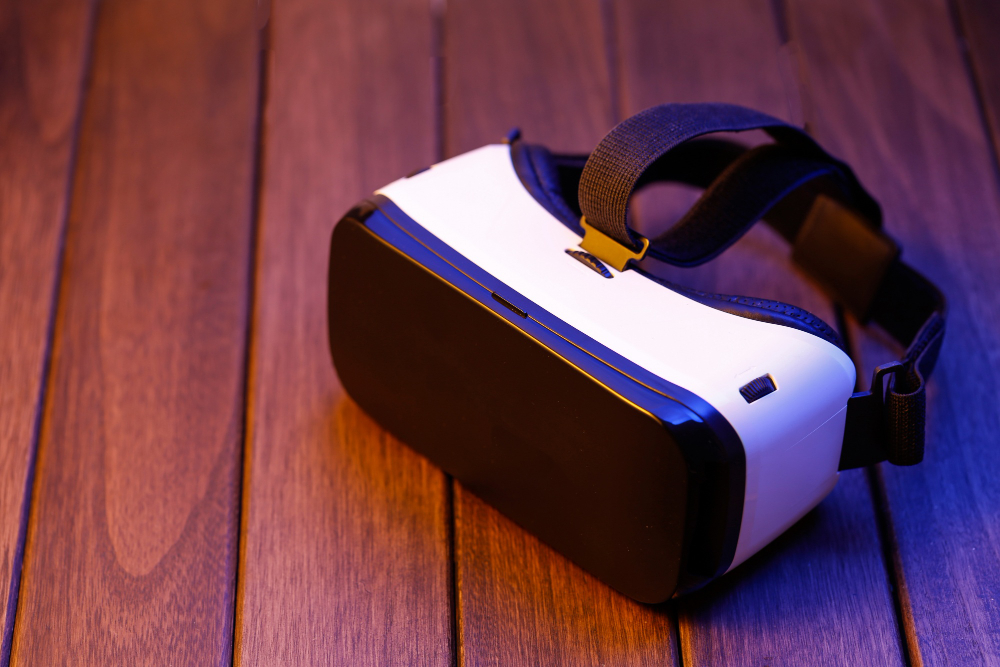
Virtual reality and mixed reality headsets have become lighter and more compact over the past few years. One reason is the growing use of the Pancake optical module, an optical design that folds the light path using polarized light and reflective elements. This approach helps reduce headset thickness while maintaining high image quality.
However, many users expect a headset with a Pancake optical module to deliver perfect visuals straight out of the box. Then they notice reduced brightness, glare, edge blur, or eye discomfort. At that point, they often blame the optical module itself.
The reality is more complicated.
A Pancake optical module is only one part of a complete optical system. Display technology, lens quality, coatings, alignment, and software calibration all influence what users actually see.
Think of it like a professional camera lens. Even the best lens cannot produce a great photo if the sensor is dirty or the focus is off.
Let's explore the real reasons why Pancake optical modules sometimes underperform and what manufacturers and users should know.
The Optical Module Cannot Fix Every Display Problem
A common misconception is that upgrading to a Pancake optical module automatically improves image quality.
In reality, the complete display system includes:
- Micro OLED or LCD display
- Pancake optics
- Polarization components
- Mechanical housing
- Image processing software
- Display calibration
If one component performs poorly, the overall viewing experience also declines.
Good engineering focuses on the complete optical system instead of individual specifications.
Brightness Loss Is a Known Engineering Challenge
One of the most discussed limitations of Pancake optics involves brightness.
Unlike traditional lenses, a Pancake optical module uses multiple reflections and polarization layers to fold the optical path. Every optical surface introduces a small amount of light loss.
Manufacturers often compensate by using:
- Brighter display panels
- High-efficiency optical coatings
- Improved optical materials
- Optimized light engines
Modern designs continue improving efficiency, but brightness management remains an important engineering consideration.
Research published by SPIE and Optica regularly discusses these optical trade-offs in near-eye display systems.
Precise Alignment Is Critical
Pancake optics require extremely accurate alignment.
Small positioning errors may create:
- Blurry image edges
- Uneven focus
- Geometric distortion
- Reduced image sharpness
- Eye discomfort
Manufacturers use precision assembly techniques because tiny alignment differences can noticeably affect image quality.
The thinner the optical design becomes, the more important precise manufacturing becomes.
Lens Coatings Help More Than Many People Realize
A Pancake optical module relies on several optical coatings that improve transmission and reduce unwanted reflections.
These coatings help:
- Minimize glare
- Increase contrast
- Improve image clarity
- Reduce reflection losses
However, coatings cannot eliminate every reflection, especially under bright environmental lighting.
Optical engineers carefully balance performance, durability, and manufacturing complexity during product development.
Dust and Fingerprints Reduce Optical Performance
Precision optics demand clean surfaces.
Dust particles, fingerprints, or smudges may cause:
- Lower contrast
- Increased glare
- Reduced image sharpness
- Light scattering
Fortunately, maintenance remains straightforward.
Using approved optical cleaning materials helps preserve image quality while protecting delicate lens coatings.
Sometimes the simplest maintenance step provides the biggest improvement.
Thermal Stability Supports Long-Term Accuracy
Electronic displays generate heat during operation.
Temperature changes may influence:
- Lens positioning
- Mechanical alignment
- Optical focus
- Material expansion
Manufacturers design thermal management systems to maintain consistent performance during long gaming sessions or professional use.
Thermal control protects both the optical module and the display system.
User Comfort Depends on More Than the Lens
Some users experience eye fatigue while using AR or VR headsets equipped with a Pancake optical module.
Several factors contribute:
- Incorrect interpupillary distance (IPD)
- Poor headset fit
- Display brightness settings
- Optical calibration
- Extended viewing sessions
The optical module itself rarely causes discomfort without additional contributing factors.
Proper headset adjustment often improves the viewing experience significantly.
Regular Maintenance Improves Optical Performance
Like every precision optical system, Pancake optics benefit from routine care.
A practical maintenance checklist includes:
- Keep optical surfaces clean.
- Store the headset in a dust-free environment.
- Avoid touching lenses directly.
- Inspect for scratches or contamination.
- Follow manufacturer cleaning recommendations.
- Protect the device from excessive heat.
These simple habits help maintain long-term optical performance.
Common Pancake Optical Module Problems
| Problem | Likely Cause |
|---|---|
| Lower brightness | Optical light loss through multiple reflections |
| Blurry image edges | Optical misalignment |
| Increased glare | Surface contamination or ambient lighting |
| Uneven focus | Mechanical alignment issue |
| Eye discomfort | Incorrect IPD or headset adjustment |
Why Complete System Design Matters
Engineers evaluate headset performance by considering the entire optical pipeline.
A successful Pancake optical module depends on:
- Precision manufacturing
- Efficient optical coatings
- Accurate alignment
- High-quality display panels
- Stable thermal management
- Careful software calibration
Improving one component while ignoring the others rarely produces meaningful gains.
Balanced engineering consistently delivers better visual performance.
Final Thoughts
The Pancake optical module has become an important technology in modern AR and VR devices because it enables thinner headsets without sacrificing optical precision. However, no optical architecture works in isolation.
Brightness, alignment, coatings, display quality, thermal stability, and user adjustment all influence the final viewing experience. Before assuming the optical module is responsible for image problems, evaluate the complete display system.
In advanced optics, success comes from teamwork. Every component contributes to the final image, and when they work together, users notice the virtual world—not the technology creating it.
- Digital Agency
- Literie
- Location de voitures
- Restaurant
- Restaurant
- Mode
- Mode
- Information
- Marketing
- Tourisme
- Développement
- Découverte
- Législation
- Gastronomie
- Pâtisserie
- Event
- Art
- Causes
- Crafts
- Dance
- Drinks
- Film
- Fitness
- Food
- Games
- Gardening
- Health
- Home
- Literature
- Music
- Networking
- Other
- Party
- Religion
- Shopping
- Sports
- Theater
- Wellness
 English
 Indian
 French
 Arabic
 Spanish
 Portuguese
 Deutsch
 Turkish
 Dutch
Dutch
 Italiano
 Russian
 Romaian
 Portuguese (Brazil)
 Greek
Greek
