


Hammer Toe Treatment and Hammer Toes Treatment: Effective Solutions to Restore Comfort and Mobility
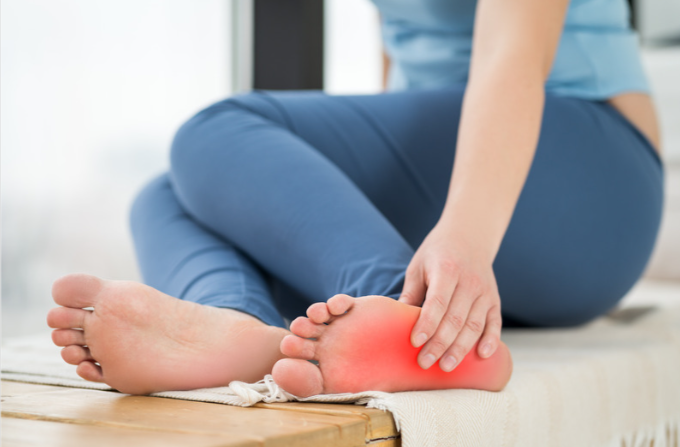
Hammer toes are a common foot deformity that can cause pain, difficulty wearing shoes, and limitations in everyday activities. While the condition often starts as a mild imbalance in the toe joints, it can progressively worsen if left untreated, leading to stiffness, corns, calluses, and chronic discomfort. If you are searching for effective hammer toe treatment or advanced hammer toes treatment, understanding the causes, symptoms, and available treatment options can help you achieve lasting relief.
Mr. Pavel Akimau, a specialist in foot and ankle conditions, provides comprehensive assessment and personalized treatment plans for hammer toes, helping patients restore foot function and improve their quality of life.
What Is a Hammer Toe?
A hammer toe is a deformity that causes one or more of the smaller toes to bend abnormally at the middle joint. Instead of lying flat, the affected toe develops a curled or hammer-like appearance.
The condition most commonly affects:
-
The second toe
-
The third toe
-
The fourth toe
Initially, hammer toes may remain flexible, but over time the joints can become rigid and more difficult to correct without intervention.
What Causes Hammer Toes?
Several factors can contribute to the development of hammer toes.
Muscle Imbalance
The most common cause is an imbalance between the muscles, tendons, and ligaments that control toe movement. This imbalance causes the toe to bend abnormally.
Improper Footwear
Shoes that are too tight, narrow, or have high heels can force the toes into unnatural positions and increase the risk of deformity.
Foot Structure
People with flat feet, high arches, or bunions may be more prone to developing hammer toes.
Arthritis
Inflammatory joint conditions can contribute to toe deformities and stiffness.
Trauma
Previous injuries to the foot or toes may increase the likelihood of hammer toe formation.
Common Symptoms of Hammer Toes
Symptoms can vary depending on the severity of the condition.
Common signs include:
-
Bent or curled toes
-
Pain when walking
-
Corns and calluses on the affected toes
-
Difficulty wearing shoes comfortably
-
Redness and swelling
-
Joint stiffness
-
Reduced toe flexibility
As the condition progresses, daily activities may become increasingly uncomfortable.
Why Early Hammer Toe Treatment Is Important
Early intervention often provides the best opportunity to manage symptoms and prevent progression. Flexible hammer toes are generally easier to treat than rigid deformities.
Delaying treatment can lead to:
-
Increased pain
-
Permanent joint stiffness
-
Worsening deformity
-
Difficulty finding comfortable footwear
-
Reduced mobility
Seeking specialist assessment early can help avoid more complex treatment requirements later.
Non-Surgical Hammer Toe Treatment Options
Many patients experience significant improvement with conservative management, particularly when treatment begins during the early stages.
Footwear Modifications
Choosing shoes with:
-
A wide toe box
-
Low heels
-
Good arch support
-
Adequate cushioning
can reduce pressure on the affected toes and improve comfort.
Orthotic Devices
Custom orthotics help improve foot mechanics and reduce abnormal forces contributing to hammer toe development.
Toe Exercises
Specific stretching and strengthening exercises can help improve flexibility and maintain joint mobility.
Examples include:
-
Toe stretches
-
Picking up objects with the toes
-
Towel scrunch exercises
-
Manual toe straightening exercises
Protective Padding
Cushions and pads can reduce friction, relieve pressure, and help prevent painful corns and calluses.
Physiotherapy
A tailored rehabilitation program may help improve foot function and reduce discomfort.
Advanced Hammer Toes Treatment Options
When conservative measures fail to provide adequate relief, additional treatment options may be considered.
Injection Therapy
In selected cases, injections may help reduce inflammation and alleviate pain associated with joint irritation.
Splinting and Bracing
Specialized splints can help maintain toe alignment and reduce discomfort.
Monitoring Progression
Regular specialist review helps ensure that treatment remains effective and allows timely intervention if symptoms worsen.
Surgical Hammer Toe Treatment
Surgery may be recommended when:
-
Pain is severe
-
Deformity becomes rigid
-
Conservative treatments fail
-
Walking is significantly affected
-
Shoe wear becomes difficult
The goal of surgery is to correct the deformity, relieve pain, and restore normal toe alignment.
Common Surgical Procedures
Depending on the severity of the condition, procedures may include:
-
Tendon release or transfer
-
Joint realignment
-
Bone reshaping
-
Joint fusion
Modern surgical techniques are highly effective and often allow patients to return to normal activities with improved comfort and function.
Recovery After Hammer Toe Surgery
Recovery varies based on the procedure performed and the number of toes treated.
Most patients can expect:
Initial Recovery
-
Use of protective footwear
-
Swelling management
-
Limited weight-bearing activities
Rehabilitation
-
Gentle mobility exercises
-
Progressive strengthening
-
Gradual return to normal footwear
Long-Term Outcomes
Many patients experience:
-
Improved toe alignment
-
Reduced pain
-
Better shoe comfort
-
Enhanced mobility
Following postoperative instructions carefully is important for optimal recovery.
Preventing Hammer Toes
While not all hammer toes can be prevented, certain measures may reduce risk.
These include:
-
Wearing properly fitted footwear
-
Avoiding prolonged use of high heels
-
Maintaining foot flexibility
-
Using orthotics when necessary
-
Addressing foot problems early
Good foot care can help preserve long-term foot health and reduce the likelihood of developing deformities.
Why Choose Mr. Pavel Akimau?
Mr. Pavel Akimau specializes in diagnosing and treating a wide range of foot and ankle conditions, including hammer toes.
Patients benefit from:
-
Detailed clinical assessment
-
Personalized treatment plans
-
Advanced non-surgical therapies
-
Modern surgical techniques
-
Comprehensive rehabilitation support
-
Patient-focused care
His approach aims to restore comfort, improve function, and help patients return to active lifestyles.
Conclusion
Effective hammer toe treatment and specialized hammer toes treatment can significantly improve comfort, mobility, and overall foot health. Whether through conservative management or surgical correction, modern treatment options offer excellent outcomes for many patients.
If you are experiencing toe pain, stiffness, or deformity, consulting a foot and ankle specialist such as Mr. Pavel Akimau can help you identify the most appropriate treatment strategy and regain confidence in every step.
FAQs
1. What is a hammer toe?
A hammer toe is a deformity that causes a toe to bend abnormally at the middle joint, creating a curled appearance.
2. Can hammer toes be corrected without surgery?
Yes. Early-stage hammer toes often respond well to footwear changes, orthotics, exercises, and physiotherapy.
3. What causes hammer toes?
Common causes include muscle imbalance, improper footwear, foot structure abnormalities, arthritis, and trauma.
4. Is hammer toe surgery painful?
Modern surgical techniques and pain management methods help minimize discomfort during recovery.
5. How long does recovery take after hammer toe surgery?
Recovery varies but typically takes several weeks, depending on the procedure performed.
6. Can hammer toes get worse over time?
Yes. Without treatment, flexible hammer toes can become rigid and more difficult to correct.
7. Are orthotics helpful for hammer toes?
Yes. Custom orthotics can improve foot mechanics and reduce pressure on affected toes.
8. When should I see a foot and ankle specialist?
Persistent toe pain, deformity, difficulty wearing shoes, or worsening symptoms should be evaluated by a specialist.
For more details please visit the website - https://pavelakimau.com/heel-bumps/
Call us at - 07934539252 , 01782 432227
Email at - [email protected]
Address - North Staffordshire Hospital Clayton Road, Newcastle-under-Lyme, ST5 4DB
- Digital Agency
- Literie
- Location de voitures
- Restaurant
- Restaurant
- Mode
- Mode
- Information
- Marketing
- Tourisme
- Développement
- Découverte
- Législation
- Gastronomie
- Pâtisserie
- Veranstaltung
- Art
- Causes
- Crafts
- Dance
- Drinks
- Film
- Fitness
- Food
- Spiele
- Gardening
- Health
- Startseite
- Literature
- Music
- Networking
- Andere
- Party
- Religion
- Shopping
- Sports
- Theater
- Wellness
 Deutsch
 Indian
 English
 French
 Arabic
 Spanish
 Portuguese
 Turkish
 Dutch
Dutch
 Italiano
 Russian
 Romaian
 Portuguese (Brazil)
 Greek
Greek
