


Healthy Dog Food | Best Nutrition for Happy Dogs
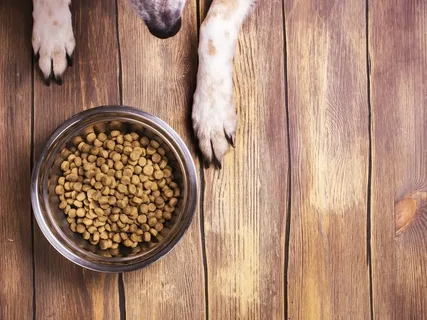
Every dog deserves food that supports a long, active, and happy life. Just like people, dogs need balanced nutrition to maintain energy, build strong muscles, support digestion, and keep their coat healthy. Choosing the right food is one of the most important decisions a pet owner can make, because what your dog eats every day affects everything from mood and weight to skin health and overall wellness.
Healthy dog food is not just about buying the most expensive bag on the shelf. It is about understanding your dog’s needs, reading labels carefully, and choosing meals made with quality ingredients. A healthy diet should provide the right mix of protein, fats, carbohydrates, vitamins, minerals, and hydration. Whether you have a playful puppy, an active adult dog, or a senior companion, the best nutrition starts with food that matches their age, size, lifestyle, and health condition.
Many pet owners search for the best healthy dog food because they want simple answers. But the truth is that no single food is perfect for every dog. A small indoor dog may need a different diet than a large working breed. A puppy has different nutrition needs than an older dog. A dog with a sensitive stomach may do better with limited ingredients, while another dog may need weight management food. The goal is to choose food that helps your dog feel good, stay active, and enjoy every stage of life.
What Makes Dog Food Healthy?
Healthy dog food should be complete, balanced, digestible, and made with ingredients that provide real nutritional value. A good diet supports your dog’s body from the inside out.
High-Quality Protein
Protein is one of the most important parts of a dog’s diet. It helps support muscle development, tissue repair, immune health, and daily energy. Common protein sources in dog food include chicken, beef, lamb, turkey, fish, duck, and eggs.
When choosing dog food, look for a clear protein source listed near the top of the ingredient label. Terms like “chicken,” “salmon,” or “lamb” are easier to understand than vague descriptions. Healthy dog food should make it clear where the protein comes from.
Why Protein Source Matters
Different dogs respond differently to different proteins. Some dogs do well with chicken, while others may have sensitivities and need alternatives like salmon, lamb, or turkey. If your dog often has itchy skin, upset stomach, or loose stool, your veterinarian may recommend trying a different protein source or a limited ingredient dog food.
Healthy Fats for Energy and Coat Health
Fats are another important part of dog nutrition. They provide energy, help the body absorb certain vitamins, and support healthy skin and a shiny coat. Omega fatty acids, often found in fish oil, flaxseed, and certain animal fats, can be especially helpful for coat condition and skin health.
Healthy fats should be included in balanced amounts. Too little fat may leave a dog with low energy or dry skin, while too much can contribute to weight gain. The best dog food provides the right amount based on your dog’s age and activity level.
Digestible Carbohydrates
Carbohydrates can provide energy and fiber. Ingredients like brown rice, oats, sweet potatoes, barley, peas, and pumpkin may be included in healthy dog food recipes. Not every dog needs the same type of carbohydrate, but many dogs benefit from easily digestible sources.
Some pet owners prefer grain-free dog food, while others choose formulas that include whole grains. Grain-free is not automatically healthier for every dog. Many dogs digest grains well, and whole grains can be part of a balanced diet. The best choice depends on your dog’s individual needs and your veterinarian’s guidance.
Essential Vitamins and Minerals
A complete dog food should contain vitamins and minerals that support bones, teeth, nerves, immune function, and metabolism. Calcium, phosphorus, zinc, iron, vitamin A, vitamin D, vitamin E, and B vitamins all play important roles in your dog’s health.
This is one reason balanced commercial dog food is often more reliable than random homemade meals. If you prepare food at home, it is important to follow a veterinarian-approved recipe to avoid missing key nutrients.
How to Choose the Best Healthy Dog Food
Choosing healthy dog food can feel overwhelming because there are so many options. Dry kibble, wet food, fresh food, raw diets, freeze-dried meals, and homemade recipes all have different benefits and concerns. The right choice depends on your dog’s health, your budget, and your lifestyle.
Consider Your Dog’s Age
Dogs need different nutrition at different life stages. Puppies need food that supports growth and development. Adult dogs need balanced maintenance nutrition. Senior dogs may need food that supports joint health, digestion, and a healthy weight.
Healthy Dog Food for Puppies
Puppies grow quickly, so they need food with the right balance of protein, fat, calcium, and calories. Large-breed puppies may need special formulas to support steady bone growth. Feeding the wrong diet during puppyhood can affect development, so it is important to choose a puppy food made for growth.
Healthy Dog Food for Adult Dogs
Adult dogs need food that helps maintain a healthy body condition and steady energy. The best healthy dog food for adult dogs should match their activity level. A very active dog may need more calories and protein than a calm indoor dog.
Healthy Dog Food for Senior Dogs
Senior dogs may become less active and more likely to gain weight. Some may also develop dental issues, joint stiffness, or digestive changes. Senior dog food may include adjusted calories, fiber, and nutrients that support aging dogs. Not every older dog needs senior food, but it can be helpful when matched to their needs.
Think About Breed Size
Small dogs and large dogs often have different dietary needs. Small breeds may need calorie-dense food in smaller pieces, while large breeds may need formulas designed to support joints and healthy weight.
Large dogs are more prone to stress on their joints, so maintaining a healthy weight is especially important. Small dogs may be picky eaters or have dental concerns, so texture and kibble size can matter.
Check Your Dog’s Activity Level
A working dog, sporting dog, or highly act ive breed needs more energy than a dog that spends most of the day indoors. Feeding too many calories can lead to weight gain, while feeding too little can leave an active dog tired and undernourished.
Healthy dog food should help your pet maintain a steady weight, good energy, and strong muscle tone.
Reading Dog Food Labels
Understanding dog food labels helps you make better choices. Marketing words can sound impressive, but the ingredient list and nutritional statement matter more.
Look for Real Ingredients
A good dog food label should include recognizable ingredients such as meat, fish, whole grains, vegetables, fruits, and healthy fats. This does not mean every ingredient must sound like human food, but it should be clear that the formula is made to provide balanced nutrition.
Avoid Choosing Based Only on Trends
Trendy words like “natural,” “premium,” “holistic,” and “gourmet” can be appealing, but they do not always prove that a food is better. A healthy dog food should be judged by its nutrition, ingredient quality, digestibility, and how well your dog does on it.
Watch for Artificial Additives
Some dog owners prefer food without artificial colors, flavors, or unnecessary fillers. While not every additive is harmful, many pet parents feel more comfortable choosing simple, well-balanced recipes with fewer unnecessary extras.
Healthy Dog Food for Sensitive Stomachs
Some dogs have sensitive digestion. They may experience gas, loose stool, vomiting, or discomfort after eating certain foods. In these cases, choosing the right diet can make a big difference.
Limited Ingredient Dog Food
Limited ingredient dog food uses fewer main ingredients, which may help dogs with food sensitivities. These formulas often feature one main protein and one main carbohydrate source. This can make it easier to identify what works well for your dog.
Gentle Ingredients for Digestion
Foods with pumpkin, rice, oatmeal, sweet potato, or certain fibers may support healthy digestion for some dogs. Probiotics may also be included in some formulas to support gut health.
If digestive problems continue, it is best to speak with a veterinarian. Ongoing stomach issues may be caused by allergies, parasites, illness, or another medical concern.
Wet Food, Dry Food, Fresh Food, or Homemade Food?
There are many ways to feed your dog. Each option has advantages, and some pet owners use a combination.
Dry Dog Food
Dry kibble is convenient, easy to store, and often more affordable. Many high-quality dry foods provide complete and balanced nutrition. Kibble can also be easier for measuring portions, which helps with weight control.
Wet Dog Food
Wet food can be more appealing to picky dogs and may provide extra moisture. It can be helpful for dogs that need softer food or do not drink enough water. However, it may cost more and needs proper storage after opening.br
Fresh Dog Food
Fresh dog food has become popular with pet owners who want less processed meals. These diets may include cooked meats, vegetables, grains, and added nutrients. Fresh food can be a good option when it is properly balanced and made by a trusted company.
Homemade Dog Food
Homemade dog food gives owners control over ingredients, but it must be done carefully. Dogs need specific nutrients in the right amounts. Feeding only chicken and rice, for example, is not complete for long-term use. If you want to make homemade dog food, work with a veterinarian or pet nutrition professional to create a safe plan.
Foods Dogs Should Avoid
Healthy dog nutrition also means knowing what not to feed. Some human foods can be unsafe for dogs.
Common Unsafe Foods
Dogs should not eat chocolate, grapes, raisins, onions, garlic, alcohol, caffeine, macadamia nuts, or foods sweetened with xylitol. Fatty leftovers and cooked bones can also cause problems. When in doubt, avoid giving table scraps and ask your veterinarian before introducing new foods.
Be Careful With Treats
Treats can be part of a healthy routine, but they should not replace balanced meals. Too many treats can lead to weight gain and poor nutrition. Choose healthy dog treats in moderation and use them as rewards, not as the main part of the diet.
How to Transition to a New Dog Food
Switching dog food too quickly can upset your dog’s stomach. A slow transition is usually best.
Simple Transition Plan
Start by mixing a small amount of the new food with your dog’s current food. Over several days, gradually increase the new food while reducing the old food. This gives your dog’s digestive system time to adjust.
If your dog develops vomiting, diarrhea, or loss of appetite, slow the transition or contact your veterinarian.
Signs Your Dog Is Doing Well on Their Food
A healthy diet should help your dog look and feel good. While every dog is different, there are some positive signs to watch for.
Healthy Energy and Body Weight
Your dog should have steady energy, a healthy appetite, and a body condition that is neither too thin nor overweight. You should be able to feel the ribs without seeing them too sharply.
Shiny Coat and Healthy Skin
Good nutrition often shows through the coat. A shiny coat, less itching, and healthy skin can be signs that your dog’s food is working well.
Normal Digestion
Healthy stool, less gas, and regular digestion are also important signs. If your dog’s stool changes suddenly or digestive issues continue, it may be time to review their diet with a professional.
Conclusion
Choosing healthy dog food is one of the best ways to support your dog’s happiness, comfort, and long-term wellness. The right food should provide balanced nutrition, quality protein, healthy fats, digestible carbohydrates, and essential vitamins and minerals. It should also fit your dog’s age, size, activity level, and individual health needs.
There is no one perfect food for every dog. Some dogs thrive on dry kibble, while others do better with wet food, fresh food, or a carefully planned homemade diet. What matters most is choosing food that is safe, complete, balanced, and appropriate for your pet.
If you are looking for the best nutrition for happy dogs, start by reading labels, avoiding unnecessary fillers, watching your dog’s response, and asking your veterinarian for guidance when needed. With the right healthy dog food, your dog can enjoy better energy, stronger health, and a happier life by your side.
Frequently Asked Questions
What is the healthiest food for dogs?
The healthiest food for dogs is a complete and balanced diet that includes quality protein, healthy fats, digestible carbohydrates, vitamins, and minerals. The best option depends on your dog’s age, breed, size, activity level, and health needs.
Is homemade dog food better than commercial dog food?
Homemade dog food can be healthy, but only when it is properly balanced. Dogs need specific nutrients in the right amounts, so homemade meals should be planned with guidance from a veterinarian or pet nutrition expert. Many high-quality commercial dog foods are already formulated to meet daily nutrition needs.
How do I know if my dog food is healthy?
A healthy dog food should list a clear protein source, include balanced nutrients, and support your dog’s energy, digestion, coat, and weight. Signs that your dog’s food is working well include normal stool, a shiny coat, steady energy, and a healthy appetite.
Can healthy dog food help with sensitive stomachs?
Yes, the right healthy dog food may help dogs with sensitive stomachs. Limited ingredient diets, gentle proteins, and easily digestible ingredients like rice, pumpkin, oatmeal, or sweet potato may support better digestion. If stomach issues continue, it is best to speak with a veterinarian.
- Digital Agency
- Literie
- Location de voitures
- Restaurant
- Restaurant
- Mode
- Mode
- Information
- Marketing
- Tourisme
- Développement
- Découverte
- Législation
- Gastronomie
- Pâtisserie
- Event
- Art
- Causes
- Crafts
- Dance
- Drinks
- Film
- Fitness
- Food
- Παιχνίδια
- Gardening
- Health
- Κεντρική Σελίδα
- Literature
- Music
- Networking
- άλλο
- Party
- Religion
- Shopping
- Sports
- Theater
- Wellness
 Greek
Greek
 Indian
 English
 French
 Arabic
 Spanish
 Portuguese
 Deutsch
 Turkish
 Dutch
Dutch
 Italiano
 Russian
 Romaian
 Portuguese (Brazil)
