


What Is an Optical Sighting System? Types, Features & Applications
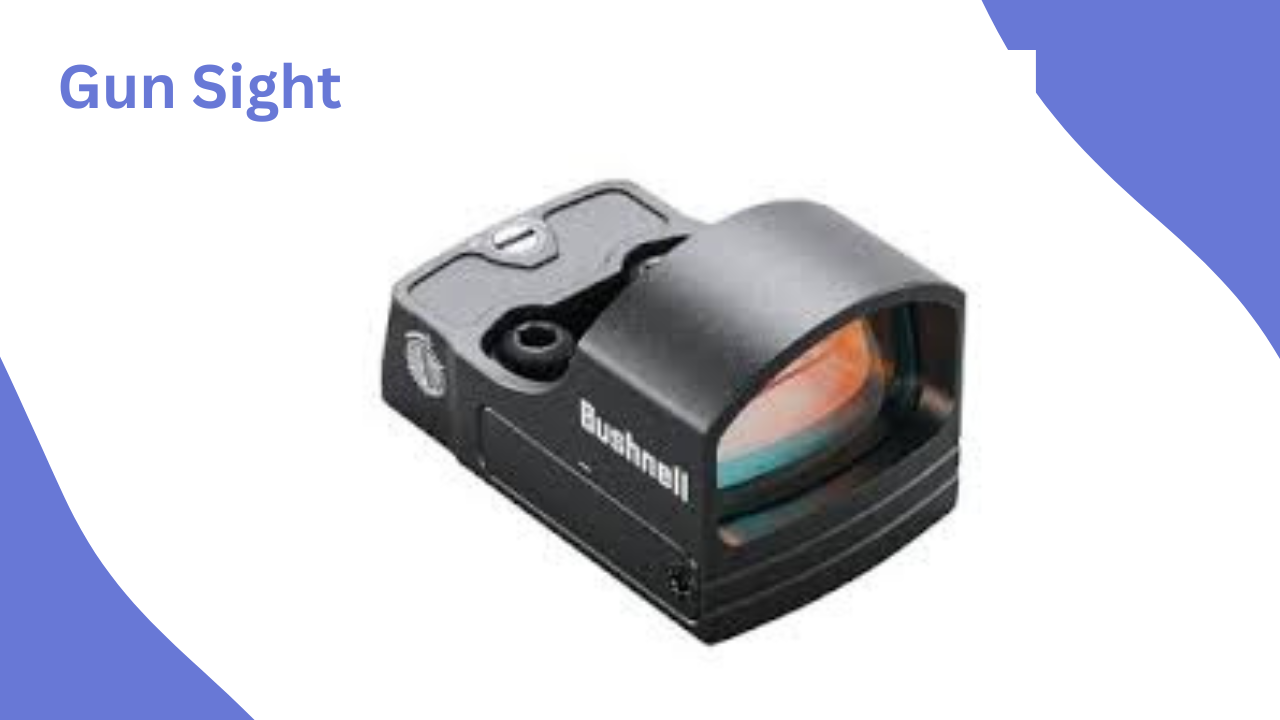
An optical sighting system is a device that helps users accurately observe, align, and track a target or object through an optical viewing system. These systems use lenses, mirrors, displays, or other optical components to provide a clear view of a scene and improve visual accuracy.
Today, optical sighting systems are widely used in industries such as defense, aerospace, surveillance, scientific research, navigation, and industrial inspection. Their ability to provide precise observation makes them an important part of many modern optical technologies.
In this article, we will explain what an optical sighting system is, how it works, its key components, and its common applications.
What Is an Optical Sighting System?
An optical sighting system is an optical device designed to help users view and align with a specific object, point, or area of interest. The system enhances visibility and allows more accurate observation than the naked eye.
Depending on the application, an optical sighting system may include:
- Optical lenses
- Prisms
- Reticles or aiming markers
- Electronic displays
- Image sensors
- Illumination systems
These components work together to provide a clear and stable image.
How Does an Optical Sighting System Work?
The basic function of an optical sighting system is to collect light from a target and present a clear image to the user.
Light Collection
The objective lens gathers light from the observed scene and directs it into the optical system.
Image Processing
The collected light passes through lenses, prisms, or optical elements that focus and refine the image.
In advanced systems, digital image sensors may capture and process the image electronically.
Image Display
The final image is displayed through an eyepiece, monitor, or electronic viewfinder.
Some systems also include markers or overlays that help users maintain visual alignment with the target.
Key Components of an Optical Sighting System
Objective Lens
The objective lens collects incoming light and determines image brightness.
Optical Elements
Prisms and additional lenses help correct image orientation and improve image quality.
Reticle or Reference Marker
A reticle provides a visual reference point for alignment and observation.
Eyepiece
The eyepiece magnifies the image and allows comfortable viewing.
Electronic Display (Optional)
Modern systems may use Micro OLED or LCD displays to provide digital image information.
Types of Optical Sighting Systems
Several types of optical sighting systems are available depending on the application.
Direct Optical Systems
These systems use lenses and prisms to provide a direct optical view.
Electronic Sighting Systems
Electronic systems combine image sensors and digital displays for enhanced observation.
Thermal Imaging Systems
These systems detect heat signatures and display thermal images.
Hybrid Optical Systems
Hybrid systems combine traditional optics with digital technologies.
Benefits of Optical Sighting Systems
Improved Observation Accuracy
Optical systems provide a clearer and more detailed view of distant objects.
Enhanced Visibility
High-quality optics improve image brightness and contrast.
Faster Target Identification
Users can quickly recognize and track objects of interest.
Reliable Performance
Modern optical systems are designed for durability and long-term operation.
Common Applications
Optical sighting systems are used in:
- Surveillance equipment
- Aerospace systems
- Scientific instruments
- Industrial inspection devices
- Marine navigation systems
- Search and observation equipment
- Imaging and tracking platforms
Their versatility makes them valuable across many industries.
Conclusion
An optical sighting system is a specialized optical device that helps users observe, align, and track objects with greater accuracy. By combining lenses, prisms, displays, and other optical components, these systems provide clear and reliable visual information. From industrial inspection and surveillance to scientific research and navigation, optical sighting systems continue to play a vital role in modern optical technology.
- Digital Agency
- Literie
- Location de voitures
- Restaurant
- Restaurant
- Mode
- Mode
- Information
- Marketing
- Tourisme
- Développement
- Découverte
- Législation
- Gastronomie
- Pâtisserie
- Evento
- Art
- Causes
- Crafts
- Dance
- Drinks
- Film
- Fitness
- Food
- Giochi
- Gardening
- Health
- Home
- Literature
- Music
- Networking
- Altre informazioni
- Party
- Religion
- Shopping
- Sports
- Theater
- Wellness
 Italiano
 Indian
 English
 French
 Arabic
 Spanish
 Portuguese
 Deutsch
 Turkish
 Dutch
Dutch
 Russian
 Romaian
 Portuguese (Brazil)
 Greek
Greek
