


How to Avoid Fitment Issues with a Chevrolet Tonneau Cover
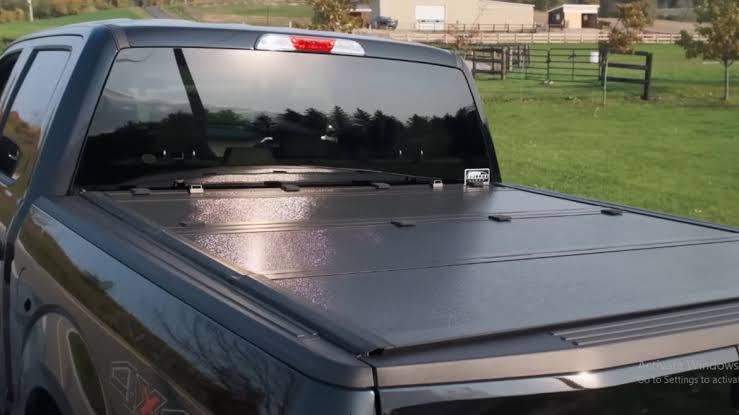
Pickup truck owners know that a well-fitting tonneau cover transforms the driving experience—boosting aerodynamics, securing cargo, and improving fuel efficiency. However, fitment problems can turn this upgrade into a source of frustration, leading to leaks, rattles, wind noise, or even damage to your truck bed. For Chevrolet truck owners, especially those with Silverado 1500, 2500, or Colorado models, understanding the nuances of bed design is essential for a perfect installation.
As a truck modification specialist with years of hands-on experience across various GM platforms, I’ve helped many drivers sidestep common pitfalls. Here’s a comprehensive guide packed with practical, proven strategies to ensure your cover fits flawlessly and performs reliably for years.
Understand Your Chevrolet Truck Bed Specifics
Chevrolet beds have unique characteristics that affect cover compatibility. Newer Silverado models often feature tapered beds (slightly wider at the front), composite or carbon fiber bed options on higher trims, and specific rail profiles that differ between short-bed, standard, and long-bed configurations.
Key entities and concepts:
- Bed dimensions: Always verify exact length, width, and rail height for your model year.
- Tailgate interface: Modern Chevy trucks with multi-function or power tailgates require compatible seals.
- Factory features: Spray-in bedliners, bed caps, or midgate systems (on certain models) can interfere with universal-fit covers.
Pro Tip: Never rely solely on “universal” or “one-size-fits-all” claims. Model-year changes, such as those between 2018 and 2019 Silverados, often make older covers incompatible without modifications.
Choose the Right Cover for Your Specific Truck
- Verify compatibility: Use the manufacturer’s vehicle selector tool with your exact year, make, model, bed length, and trim (e.g., 2024 Silverado 1500 Crew Cab with 5’8” bed).
- Preferred types: Hard folding or retractable covers from brands like BAK, LEER, or RealTruck generally offer better adjustability and fit than soft roll-ups for Chevrolet applications.
- Avoid generic imports: They often lack the precise rail clamps or seals needed for GM’s bed contours, leading to gaps or binding.
Measure twice: Use a tape measure for inside bed width at multiple points (front, middle, rear) because many Chevy beds taper.
Step-by-Step Installation Best Practices
Proper installation prevents 90% of fitment headaches.
- Prep the bed thoroughly: Clean rails and bulkhead with isopropyl alcohol to remove wax, dirt, or residue. This ensures seals adhere correctly.
- Install rails evenly: Position side rails flush and level. Use a level tool and adjust clamps gradually—avoid over-tightening with power tools, which can bend rails and create gaps.
- Address bulkhead and tailgate seals: Apply extra butyl tape or foam seals at the front bulkhead (especially near weld seams) and tailgate area. Many Silverado owners add aftermarket tailgate seals for a tighter fit.
- Test fit before final tightening: Close the tailgate and operate the cover multiple times. Check for even contact, no binding, and proper latch engagement.
- Adjust for temperature: Install in moderate weather. Vinyl/soft covers can stretch or shrink dramatically in extreme heat or cold, affecting tension.
Common Fitment Issues and Fixes
| Issue | Common on Chevrolet Trucks | Prevention / Solution |
|---|---|---|
| Gaps at Tailgate | Silverado EV, multi-pro tailgates | Use vertical seals or tailgate seal kits |
| Rails Not Sitting Flush | Tapered beds, bed caps | Shim with foam tape; loosen and realign clamps |
| Leaks at Front Bulkhead | Weld seams on side walls | Add extra weather stripping or butyl tape |
| Binding / Hard to Close | Misaligned rails or debris | Clean tracks regularly; adjust tension |
| Sagging or Warping | Soft covers in heat/cold | Choose hard covers; apply UV protectant |
Additional Expert Tips
- Bedliner considerations: Spray-in liners can raise the effective bed height—choose covers designed for them or trim/adjust accordingly.
- Professional help: If unsure, have a dealership or experienced installer handle it. Many offer fit guarantees.
- Post-install checks: Drive at highway speeds and inspect after the first rain. Re-adjust clamps if needed.
- Warranty matters: Using the correct, vehicle-specific cover preserves your factory and aftermarket warranties.
By taking these steps, you’ll achieve a secure, weather-tight fit that maintains aerodynamic benefits and protects your investment.
In summary, avoiding fitment issues with your Chevrolet Tonneau Cover comes down to precise measurement, model-specific selection, meticulous preparation, and careful installation. A little extra effort upfront saves headaches and money down the road while delivering years of reliable performance.
Have you encountered fitment challenges on your Chevy truck? Share your solutions or model details in the comments—I’m always happy to offer tailored advice.
Drive confident, drive covered.
This article is for informational purposes. Always refer to your specific vehicle’s manual and the tonneau cover manufacturer’s instructions. Results may vary based on model year, trim, and modifications.
- Digital Agency
- Literie
- Location de voitures
- Restaurant
- Restaurant
- Mode
- Mode
- Information
- Marketing
- Tourisme
- Développement
- Découverte
- Législation
- Gastronomie
- Pâtisserie
- Etkinlik
- Art
- Causes
- Crafts
- Dance
- Drinks
- Film
- Fitness
- Food
- Oyunlar
- Gardening
- Health
- Ana sayfa
- Literature
- Music
- Networking
- diğer
- Party
- Religion
- Shopping
- Sports
- Theater
- Wellness
 Turkish
 Indian
 English
 French
 Arabic
 Spanish
 Portuguese
 Deutsch
 Dutch
Dutch
 Italiano
 Russian
 Romaian
 Portuguese (Brazil)
 Greek
Greek
