


Gun Sight: Understanding the Optical System Behind Better Target Viewing
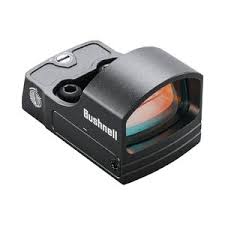
A gun sight is one of the most important optical components used on firearms. Its main purpose is to help users align their view with a target more easily. Over the years, gun sight technology has evolved from simple mechanical sights to advanced optical systems that provide clearer viewing and improved accuracy.
Today, gun sights are used in various applications, including sports shooting, hunting, law enforcement, and military equipment. Modern designs focus on visibility, durability, and ease of use in different environments.
In this article, we will explain what a gun sight is, how it works, its types, benefits, and why optical technology continues to improve sighting systems.
What Is a Gun Sight?
A gun sight is a device used to help a user align a firearm with a target. It provides a visual reference that assists in aiming.
The primary purpose of a gun sight is to:
- Improve target visibility
- Help align the firearm
- Support accurate aiming
- Improve user confidence
- Enhance shooting performance
Modern gun sights may use optical lenses, illuminated reticles, or electronic display systems.
How Does a Gun Sight Work?
A gun sight works by providing a reference point between the user's eye and the target.
The basic process includes:
- The user looks through or aligns with the sight.
- The sight provides a visual aiming reference.
- The target is positioned relative to the reference point.
- The user adjusts alignment as needed.
Different types of sights use different technologies, but all serve the same purpose of improving target acquisition.
Why Is a Gun Sight Important?
Without a sighting system, aligning with a target can be more difficult.
A gun sight helps users:
- View targets more clearly
- Improve aiming speed
- Increase consistency
- Perform better in different lighting conditions
- Reduce alignment errors
Because of these benefits, sights have become standard equipment on many firearms.
Common Types of Gun Sights
Iron Sights
Iron sights are the traditional aiming system found on many firearms.
Benefits include:
- Simple design
- No batteries required
- Durable construction
Red Dot Sights
Red dot sights project a small illuminated dot that serves as the aiming reference.
Advantages include:
- Fast target acquisition
- Easy operation
- Improved visibility
Reflex Sights
Reflex sights use reflective optics to display an aiming point.
They are popular because they offer:
- Quick sight alignment
- Wide field of view
- Lightweight design
Holographic Sights
Holographic sights use advanced optics to project a reticle image.
Benefits include:
- Clear reticle display
- Enhanced visibility
- Reliable performance
Magnified Optical Sights
These sights include lenses that enlarge distant targets.
They are often used when viewing targets at longer distances.
Key Features of Modern Gun Sights
Optical Clarity
Quality lenses help provide a clear view of the target area.
Durable Construction
Modern sights are designed to handle challenging environments.
Weather Resistance
Many sights are built to resist rain, dust, and moisture.
Compact Design
Advanced optical systems are becoming smaller and lighter.
Enhanced Visibility
Modern optics improve viewing performance in different lighting conditions.
Benefits of Advanced Gun Sight Technology
Faster Target Acquisition
Users can identify and align with targets more quickly.
Better Visibility
Improved optics help create a clearer viewing experience.
Increased User Confidence
A clear sight picture makes aiming more comfortable.
Improved Performance
Advanced optical systems help provide consistent results.
Greater Flexibility
Different sight types can be selected based on user needs.
Applications of Gun Sights
Sports Shooting
Competitive shooters often use advanced sight systems for improved performance.
Hunting
Hunters use optical sights to improve visibility in outdoor environments.
Law Enforcement
Many law enforcement agencies use modern sighting systems for operational effectiveness.
Military Equipment
Military systems often include advanced optical sights for various applications.
Training Programs
Training environments use gun sights to help users learn proper aiming techniques.
Factors to Consider When Choosing a Gun Sight
Intended Use
Different activities may require different sight technologies.
Viewing Conditions
Lighting and environmental conditions can influence sight selection.
Optical Quality
Higher-quality optics often provide a better viewing experience.
Durability
Strong construction helps ensure long-term reliability.
Weight and Size
Compact designs may improve overall handling and comfort.
Future of Gun Sight Technology
Gun sight technology continues to evolve with advancements in optics and electronics.
Future developments may include:
- Improved lens coatings
- Enhanced digital optics
- Smarter illumination systems
- Better durability
- More compact designs
These innovations are expected to improve visibility and overall user experience.
Conclusion
A gun sight is an essential optical system that helps users align with targets more effectively. From traditional iron sights to advanced optical and electronic designs, modern gun sights continue to improve visibility, speed, and performance.
As optical technology advances, gun sights are becoming more durable, compact, and efficient. Their role in sports shooting, hunting, training, and professional applications ensures that they will remain an important part of modern sighting systems for years to come.
- Digital Agency
- Literie
- Location de voitures
- Restaurant
- Restaurant
- Mode
- Mode
- Information
- Marketing
- Tourisme
- Développement
- Découverte
- Législation
- Gastronomie
- Pâtisserie
- Мероприятие
- Art
- Causes
- Crafts
- Dance
- Drinks
- Film
- Fitness
- Food
- Игры
- Gardening
- Health
- Главная
- Literature
- Music
- Networking
- Другое
- Party
- Religion
- Shopping
- Sports
- Theater
- Wellness
 Russian
 Indian
 English
 French
 Arabic
 Spanish
 Portuguese
 Deutsch
 Turkish
 Dutch
Dutch
 Italiano
 Romaian
 Portuguese (Brazil)
 Greek
Greek
