


Why Dubai is the Best Hub for Global Logistics Companies?
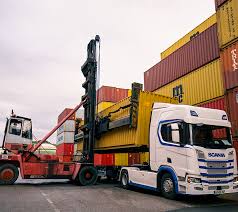
Quick answer: Dubai is the premier location for global logistics due to its strategic geographic position between East and West, tax-friendly free zones, and world-class trade infrastructure. These factors allow trading companies to scale operations rapidly, optimize supply chains, and maximize overall business profitability.
Choosing the right location for a logistics and trading company dictates how efficiently that business can operate. Moving goods across borders requires seamless customs processes, robust transportation networks, and supportive local governments.
Dubai offers a unique ecosystem built specifically to support these exact needs. The city government has spent decades investing in commercial transport networks and business-friendly policies. Reading this guide will help you understand the specific logistical advantages Dubai provides, how local free zones operate, and the steps required to establish a profitable trading operation in the United Arab Emirates.
Why is Dubai's strategic location ideal for global trade?
Dubai sits perfectly at the crossroads of Europe, Asia, and Africa. A logistics company operating here can reach two-thirds of the global population within an eight-hour flight. This geographic advantage significantly reduces transit times for air freight and maritime shipping.
When you place a distribution center in Dubai, you immediately shorten the distance between major manufacturing hubs in Asia and high-demand consumer markets in Europe. Setting up operations requires careful planning, which is why working with the Top business consultants in Dubai is crucial for new investors. These experts ensure your company selects the right commercial space and navigates local regulations efficiently, allowing you to capitalize on this strategic location.
How do UAE free zones benefit a logistics business?
The Dubai government established designated economic areas known as UAE free zones to attract foreign investment. For an import-export business, these zones offer massive financial incentives. Companies operating within a free zone enjoy 100% foreign ownership, zero personal income taxes, and zero corporate taxes for qualifying income.
Each free zone caters to specific industries. For example, the Dubai Airport Freezone (DAFZA) focuses heavily on aviation and light freight, while the Jebel Ali Free Zone (JAFZA) caters to heavy maritime logistics. Choosing the correct jurisdiction directly impacts your bottom line. To make the most informed choice, the best business consultants in Dubai will evaluate your company's operational needs and match you with the free zone that offers the highest long-term return on investment.
What makes Dubai's trade infrastructure world-class?
Infrastructure dictates the speed of a global supply chain. Dubai excels in this area by housing both massive seaports and high-capacity airports within close proximity.
The Jebel Ali Port is the largest man-made harbor in the world and the biggest port in the Middle East. It features state-of-the-art automated terminal gates and deep-water berths capable of handling the largest container ships on the planet. Just a few kilometers away sits Al Maktoum International Airport, designed to be the world's largest logistics hub for air freight. The seamless connection between the seaport and the airport allows trading companies to execute multi-modal transport strategies, moving cargo from a ship to an airplane in under an hour.
Helpful tips for setting up your trading company in Dubai
If your organization plans to open a logistics branch in Dubai, you need a clear strategy. Following these actionable tips will streamline the setup process:
- Define your core activities accurately: The Department of Economic Development (DED) requires exact activity codes for your trade license. Selecting the wrong code can lead to fines or operational delays.
- Choose a dual-licensing strategy if necessary: If you want to operate inside a free zone but also trade directly within the local UAE market, you might need a dual license or a local distributor.
- Secure appropriate warehousing early: High-quality warehouse space in prime areas like Dubai South leases quickly. Secure your physical storage facilities before finalizing your trade license.
- Integrate local customs software: Familiarize your team with 'Dubai Trade', the single window platform for cross-border trade. Using this system correctly expedites customs clearances and reduces holding fees.
Final words on launching your logistics brand
Expanding a global logistics company requires a stable, well-connected environment. Dubai delivers on all fronts, providing tax exemptions, unmatched transport facilities, and direct access to emerging markets. By leveraging local expertise and taking advantage of specialized free zones, your trading company can reduce operational bottlenecks and accelerate international growth.
Frequently Asked Questions
How long does it take to set up a logistics company in Dubai?
Setting up a logistics company in Dubai typically takes between two to four weeks. The exact timeline depends on the chosen free zone, the complexity of the corporate structure, and how quickly the business owner can provide the required identification and banking documents.
What are the main costs of starting a trading company in the UAE?
The primary costs include the trade license fee, warehouse or office leasing costs, visa processing fees for employees, and initial customs registration fees. A basic free zone license often starts around $4,000 to $7,000 USD, excluding physical warehouse space.
Which free zone is best for a supply chain business?
The Jebel Ali Free Zone (JAFZA) and Dubai South are the two best options for supply chain businesses. JAFZA provides direct access to the seaport, while Dubai South connects directly to Al Maktoum International Airport, making both ideal for heavy freight and rapid transit.
- Digital Agency
- Literie
- Location de voitures
- Restaurant
- Restaurant
- Mode
- Mode
- Information
- Marketing
- Tourisme
- Développement
- Découverte
- Législation
- Gastronomie
- Pâtisserie
- Evento
- Art
- Causes
- Crafts
- Dance
- Drinks
- Film
- Fitness
- Food
- Jogos
- Gardening
- Health
- Início
- Literature
- Music
- Networking
- Outro
- Party
- Religion
- Shopping
- Sports
- Theater
- Wellness
 Portuguese
 Indian
 English
 French
 Arabic
 Spanish
 Deutsch
 Turkish
 Dutch
Dutch
 Italiano
 Russian
 Romaian
 Portuguese (Brazil)
 Greek
Greek
