


Treatment for Bunions: Expert Solutions to Improve Foot Health and Mobility
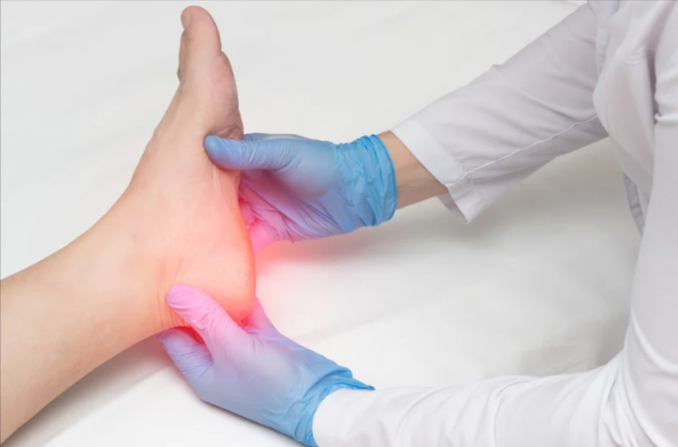
Bunions are one of the most common foot deformities, affecting millions of people worldwide. While many individuals initially view bunions as a cosmetic concern, the condition can progressively lead to significant pain, difficulty walking, limitations in footwear choices, and reduced quality of life. Seeking appropriate treatment for bunions can help relieve discomfort, improve foot function, and prevent the condition from worsening over time.
Mr Pavel Akimau, an experienced orthopaedic foot and ankle specialist, offers comprehensive assessment and advanced treatment options for patients with bunions. Through personalised care plans and evidence-based treatment strategies, he helps patients regain comfort, mobility, and confidence in their daily activities.
What Is a Bunion?
A bunion, or hallux valgus, develops when the big toe gradually shifts towards the smaller toes. As this misalignment progresses, the joint at the base of the big toe becomes more prominent, creating a noticeable bump on the side of the foot.
The condition often develops slowly over many years and may become increasingly painful if left untreated. In advanced cases, bunions can alter walking patterns and contribute to other foot problems such as hammertoes, corns, calluses, and arthritis.
Signs and Symptoms
Common symptoms associated with bunions include:
-
A visible bump at the base of the big toe
-
Pain or tenderness around the joint
-
Swelling and redness
-
Difficulty wearing certain shoes
-
Restricted movement of the big toe
-
Corns or calluses between the toes
-
Pain during walking or prolonged standing
Symptoms can vary significantly between individuals, ranging from mild discomfort to severe functional limitations.
Why Do Bunions Develop?
Several factors contribute to bunion formation. Genetics plays a major role, as inherited foot structure often predisposes individuals to developing the condition.
Other contributing factors include:
-
Flat feet
-
Joint instability
-
Abnormal foot mechanics
-
Arthritis
-
Tight or narrow footwear
-
Repetitive stress on the feet
Although footwear alone does not cause bunions, poorly fitting shoes can aggravate symptoms and accelerate progression.
Importance of Early Treatment
Many people ignore bunion symptoms until the pain becomes difficult to manage. However, early intervention often provides the greatest opportunity to control symptoms and slow the progression of the deformity.
An early evaluation by Mr Pavel Akimau allows patients to explore conservative treatment options that may help avoid more extensive interventions later.
Non-Surgical Treatment for Bunions
For mild to moderate bunions, conservative management is often highly effective in reducing symptoms and improving comfort.
Footwear Modifications
One of the simplest yet most effective treatments involves wearing shoes with a wide toe box. This reduces pressure on the bunion and minimises irritation during daily activities.
Supportive footwear can also improve overall foot alignment and reduce strain on the affected joint.
Orthotic Devices
Custom-made orthotics help address biomechanical abnormalities that contribute to bunion formation. By improving foot mechanics, orthotics can reduce pressure on the big toe joint and improve comfort.
Protective Padding
Bunion pads and cushioning devices may reduce friction between the bunion and footwear, helping to alleviate pain and inflammation.
Physiotherapy
Targeted exercises can help maintain joint flexibility, improve muscle strength, and optimise foot function. Physiotherapy may also address gait abnormalities that place additional stress on the bunion.
Anti-Inflammatory Medication
Non-steroidal anti-inflammatory medications can help reduce pain and swelling during periods of increased discomfort.
While these treatments do not reverse the deformity itself, they can significantly improve quality of life and slow progression.
When Is Surgery Necessary?
Surgery may be recommended when conservative treatments fail to provide sufficient relief or when the bunion significantly interferes with daily life.
Patients who experience persistent pain, difficulty walking, progressive deformity, or severe footwear limitations may benefit from surgical correction.
The objective of surgery is not only to remove the visible bump but also to correct the underlying alignment problem.
Advanced Surgical Treatment for Bunions
Modern bunion surgery has evolved significantly, offering improved outcomes and faster recovery compared to traditional techniques.
Depending on the severity of the deformity, surgical treatment may involve:
-
Realignment of the bones
-
Correction of soft tissue imbalances
-
Joint stabilisation procedures
-
Treatment of associated toe deformities
Many modern procedures use minimally invasive techniques that reduce tissue disruption and improve postoperative recovery.
Mr Pavel Akimau carefully assesses each patient's condition to determine the most appropriate surgical approach based on individual needs and lifestyle goals.
Recovery After Bunion Surgery
Recovery times vary depending on the procedure performed and the severity of the bunion. Most patients are able to walk with protective footwear shortly after surgery, although full recovery may take several months.
Rehabilitation often includes physiotherapy, mobility exercises, and gradual return to normal activities. Following postoperative instructions closely helps ensure optimal healing and long-term success.
Benefits of Effective Bunion Treatment
Successful treatment can offer significant benefits, including:
-
Reduced pain and discomfort
-
Improved foot alignment
-
Enhanced walking ability
-
Greater footwear options
-
Better mobility and balance
-
Improved quality of life
Many patients report substantial improvements in both comfort and confidence following treatment.
Why Choose Mr Pavel Akimau?
Mr Pavel Akimau specialises in diagnosing and treating a wide range of foot and ankle conditions, including complex bunion deformities. His patient-centred approach focuses on delivering personalised care that addresses each patient's specific symptoms, lifestyle, and treatment goals.
By combining advanced diagnostic techniques with modern treatment options, he helps patients achieve lasting improvements in foot health and function.
Conclusion
Bunions can have a significant impact on daily comfort and mobility, but effective treatment for bunions is available. From conservative management strategies to advanced surgical correction, modern treatments can relieve pain, improve function, and restore confidence. Consulting Mr Pavel Akimau provides access to specialist expertise and personalised care designed to achieve the best possible long-term outcome.
For more details please visit the website - https://pavelakimau.com/bunions/
Call us at - 07934539252 , 01782 432227
Email at - [email protected]
Address - North Staffordshire Hospital Clayton Road, Newcastle-under-Lyme, ST5 4DB
- Digital Agency
- Literie
- Location de voitures
- Restaurant
- Restaurant
- Mode
- Mode
- Information
- Marketing
- Tourisme
- Développement
- Découverte
- Législation
- Gastronomie
- Pâtisserie
- Evento
- Art
- Causes
- Crafts
- Dance
- Drinks
- Film
- Fitness
- Food
- Jogos
- Gardening
- Health
- Início
- Literature
- Music
- Networking
- Outro
- Party
- Religion
- Shopping
- Sports
- Theater
- Wellness
 Portuguese
 Indian
 English
 French
 Arabic
 Spanish
 Deutsch
 Turkish
 Dutch
Dutch
 Italiano
 Russian
 Romaian
 Portuguese (Brazil)
 Greek
Greek
