


Viking’s Disease Hand Condition: Causes, Symptoms, and Daily Care
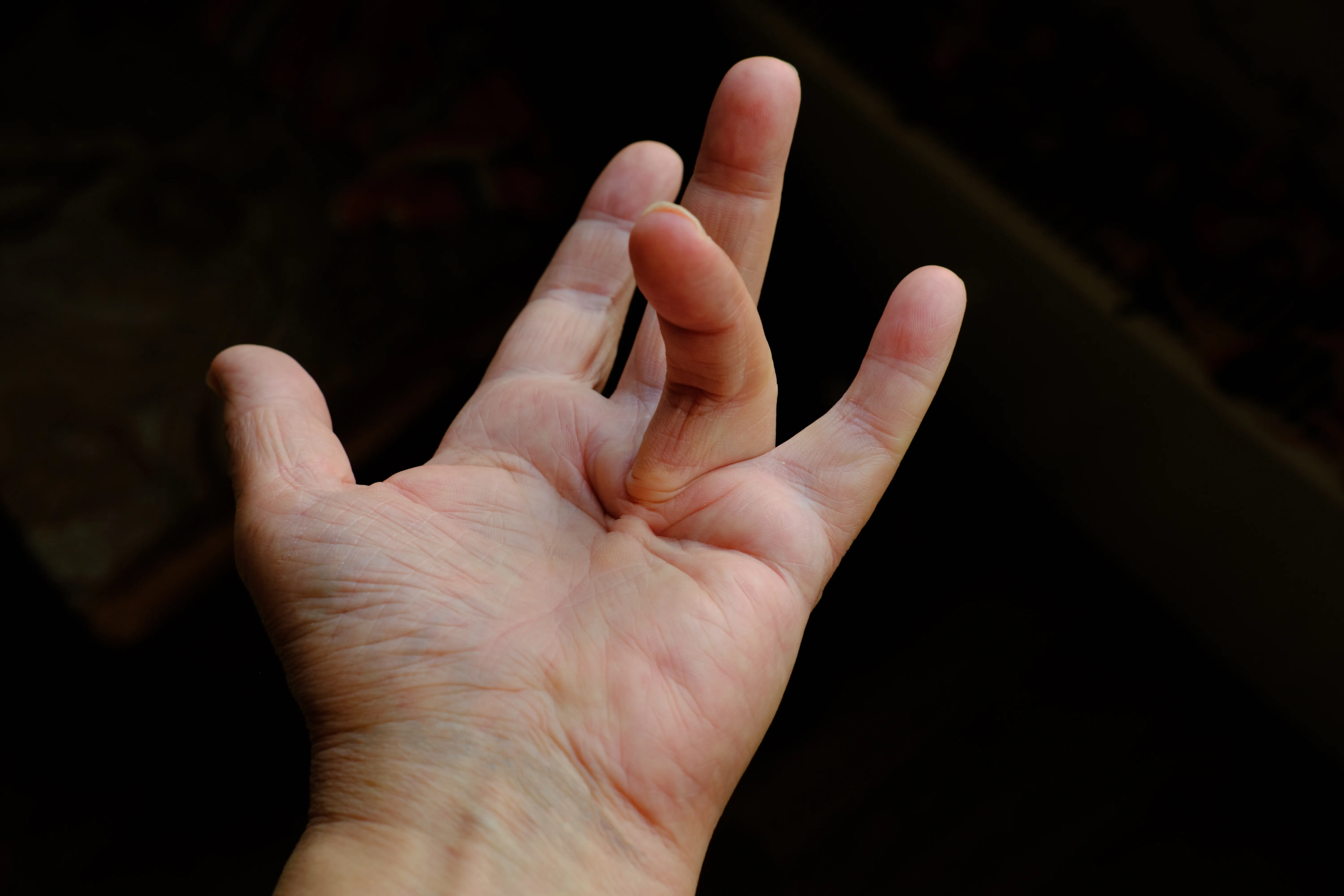
Many people notice stiffness in their fingers or small lumps in the palm but do not realize these changes may be linked to a condition commonly called viking's disease. This hand condition can slowly affect finger movement and make everyday tasks more difficult over time. Although the name sounds unusual, it is often associated with a medical condition known as Dupuytren’s contracture.
The term viking hand disorder became popular because the condition was historically more common among people with Northern European ancestry, especially descendants of Vikings. Today, however, it can affect people from many different backgrounds around the world.
A viking syndrome hand condition usually develops gradually. In the beginning, symptoms may seem minor, but early awareness can help individuals manage discomfort and maintain better hand flexibility.
What Is Viking’s Disease?
Viking's disease is a hand condition that affects the connective tissue beneath the skin of the palm. This tissue may slowly thicken and tighten over time. As the condition progresses, cords can form under the skin and pull one or more fingers inward toward the palm.
The ring finger and little finger are most commonly affected, although other fingers may also become involved. The condition usually develops slowly and may take years before finger movement becomes noticeably limited.
Many people with viking syndrome hand symptoms experience difficulty placing their hand flat on a table, shaking hands comfortably, or gripping objects properly.
Common Causes of Viking Hand Disorder
There is no single confirmed cause of viking hand disorder, but researchers believe several factors may contribute to its development.
Family History
Genetics appear to play an important role. Individuals with close relatives who have Dupuytren’s contracture may have a higher chance of developing the condition themselves.
Age
The condition is more common in adults over the age of 40. Symptoms often become more noticeable with aging.
Gender
Men are generally more likely to develop severe symptoms compared to women.
Lifestyle Factors
Certain lifestyle habits may increase the risk of developing viking's disease. These can include smoking, excessive alcohol use, and long-term stress on the hands.
Health Conditions
Some studies suggest links between this condition and diabetes, liver disease, or certain circulation problems.
Although these factors may increase risk, not everyone with these conditions develops a viking syndrome hand problem.
Early Symptoms to Watch For
Recognizing symptoms early may help individuals take better care of their hands and monitor changes over time.
Small Lumps in the Palm
One of the earliest signs of viking's disease is the appearance of firm lumps or nodules under the skin of the palm.
Tightness in the Hand
Many people notice stiffness or tightness when opening their hand fully.
Finger Curling
As the condition progresses, fingers may slowly bend inward and become harder to straighten.
Reduced Hand Flexibility
Daily tasks like wearing gloves, gripping tools, typing, or holding large objects may become uncomfortable.
Thickened Skin
The skin on the palm may feel thicker or appear puckered.
Symptoms often develop gradually, which is why some people ignore them in the beginning.
How Viking Syndrome Hand Affects Daily Life
A viking syndrome hand condition can interfere with many routine activities. Even mild symptoms may become frustrating over time.
Simple tasks such as buttoning clothes, washing dishes, driving, or writing may feel more difficult when finger movement becomes restricted.
People who work with tools, computers, sports equipment, or musical instruments may especially notice reduced hand flexibility. In more advanced cases, gripping objects securely may become challenging.
The emotional impact can also be significant. Some individuals feel self-conscious about the appearance of their hands or become frustrated by limited movement.
Diagnosis of Viking’s Disease
Doctors usually diagnose viking hand disorder through a physical examination. They may ask questions about symptoms, family history, and hand function.
One common assessment is the tabletop test. During this test, a person attempts to place their hand flat on a surface. Difficulty doing so may indicate tightening of the connective tissue.
Imaging tests are not always necessary, but they may occasionally help evaluate the condition further.
Early diagnosis can help people understand the progression of the disease and explore supportive care options sooner.
Daily Care Tips for Viking’s Disease
Although there is no guaranteed cure for viking's disease, many people use supportive daily care strategies to improve comfort and maintain mobility.
Gentle Hand Stretching
Regular stretching exercises may help maintain flexibility in the fingers and palm. Slow and gentle movements are usually best.
Stretching should never cause sharp pain. Consistency is more important than force.
Warm Compresses
Applying warmth to the hands may help relax tight tissues and improve comfort during stiffness.
Some individuals use warm towels or soak their hands in comfortably warm water before stretching exercises.
Massage Techniques
Gentle massage around the palm may support circulation and reduce feelings of tightness.
Many people combine massage with moisturizing oils or hand creams to improve skin comfort.
Hand Mobility Exercises
Simple finger-opening and grip-strength exercises may help support daily hand movement.
Activities like squeezing a soft therapy ball or practicing finger extensions can sometimes improve flexibility.
Protecting the Hands
Avoiding excessive strain on the hands may help reduce discomfort. Wearing padded gloves during heavy work can sometimes provide support.
Healthy Lifestyle Habits
Maintaining overall health may also support hand function. Reducing smoking and excessive alcohol use may be beneficial for some individuals with viking syndrome hand symptoms.
Medical Treatment Options
Treatment depends on the severity of symptoms and how much finger movement is affected.
Needle Procedures
Some healthcare providers use minimally invasive needle techniques to break apart tight cords beneath the skin.
Enzyme Injections
Certain injections may help soften thickened tissue and improve finger movement in some cases.
Physical Therapy
Hand therapy programs may include exercises and mobility training to support flexibility.
Surgery
In more advanced cases, surgery may be recommended to remove or release affected tissue.
Recovery times vary depending on the treatment method used and the severity of the condition.
Can Viking’s Disease Be Prevented?
There is no guaranteed way to fully prevent viking hand disorder, especially when genetics are involved. However, healthy lifestyle choices and early attention to symptoms may help support long-term hand health.
Regular hand movement, stretching, and reducing harmful habits may contribute to better flexibility and comfort over time.
People with a family history of viking's disease may benefit from monitoring their hands for early changes and seeking medical guidance if symptoms develop.
Living Comfortably With Viking Syndrome Hand
Many people continue to live active and productive lives despite having a viking syndrome hand condition. The key is recognizing symptoms early and developing supportive daily habits.
Small adjustments in daily routines can sometimes make a meaningful difference in hand comfort and flexibility. Consistent stretching, proper hand care, and medical guidance when needed may help individuals maintain better movement for longer periods.
It is important not to ignore gradual changes in finger movement or palm tightness. Early awareness often allows for more supportive care options before symptoms become severe.
Final Thoughts
Viking's disease is a progressive hand condition that can affect flexibility, grip strength, and daily comfort. While it often develops slowly, understanding the causes and symptoms can help people take proactive steps toward better hand care.
Whether referred to as viking hand disorder or viking syndrome hand, this condition deserves attention and proper management. Gentle exercises, healthy habits, supportive therapies, and medical care may all play a role in maintaining hand function and improving quality of life.
- Digital Agency
- Literie
- Location de voitures
- Restaurant
- Restaurant
- Mode
- Mode
- Information
- Marketing
- Tourisme
- Développement
- Découverte
- Législation
- Gastronomie
- Pâtisserie
- Evento
- Art
- Causes
- Crafts
- Dance
- Drinks
- Film
- Fitness
- Food
- Jogos
- Gardening
- Health
- Início
- Literature
- Music
- Networking
- Outro
- Party
- Religion
- Shopping
- Sports
- Theater
- Wellness
 Portuguese (Brazil)
 Indian
 English
 French
 Arabic
 Spanish
 Portuguese
 Deutsch
 Turkish
 Dutch
Dutch
 Italiano
 Russian
 Romaian
 Greek
Greek
