


How Toyota Tonneau Covers Handle Daily Work and Heavy Use
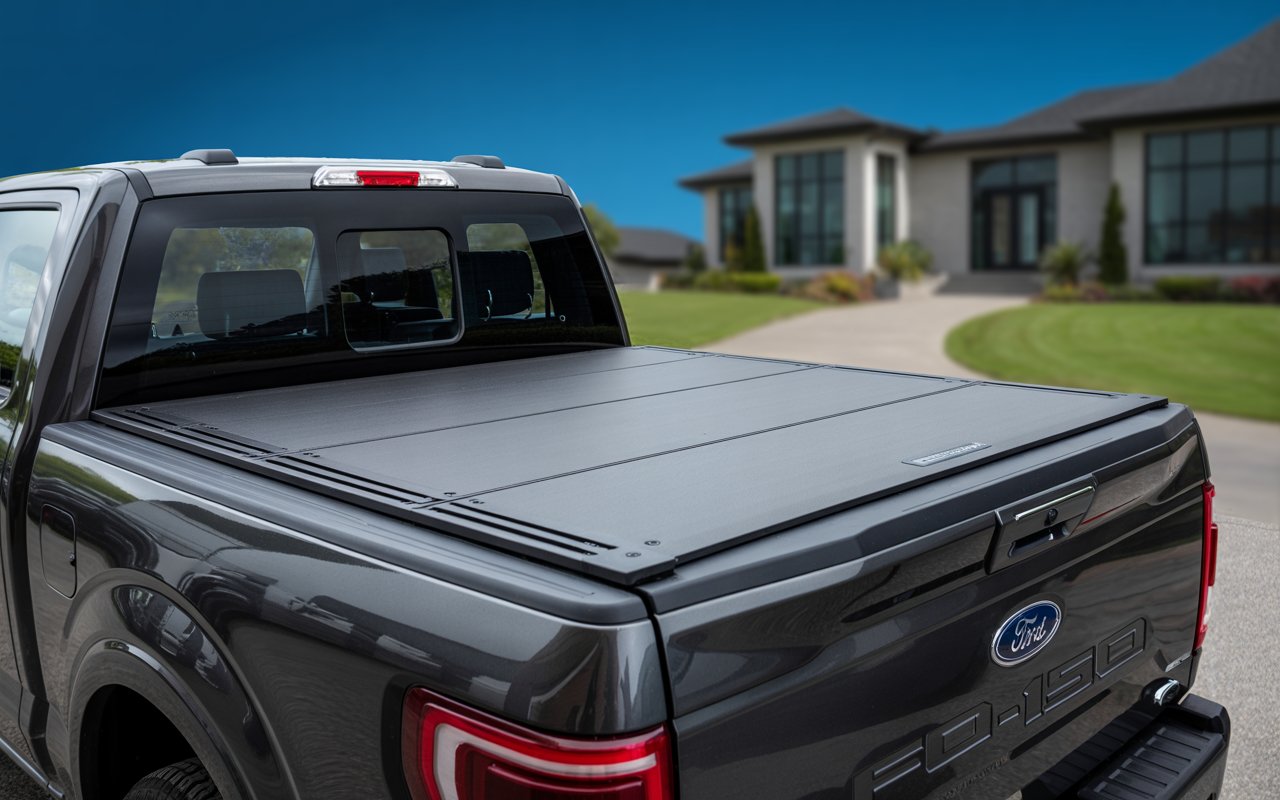
Toyota trucks earn their reputation by surviving tough miles: early mornings on job sites, hardware store runs, muddy weekends, and loaded highway trips. If that’s your life, your bed cover has to keep up. A toyota truck bed cover doesn’t just need to look good in photos—it needs to open and close hundreds of times, protect tools and materials, and survive rough conditions without rattles, leaks, or failures.
This guide explains how good Toyota tonneau covers stand up to daily work and heavy use, and what separates “weekend-only” covers from equipment you can truly rely on.
Built for Repetition: Daily Opening, Closing, and Loading
Strong hinges and latches for real work rhythms
On a work truck, the cover isn’t opened once a week—it’s opened multiple times a day:
-
Grabbing power tools at the start of a job
-
Loading materials at the store
-
Stowing expensive gear before leaving a site
Modern hard folding and retractable covers are designed so hinges, latches, and panels can handle this constant cycle. They use:
-
Reinforced hinges that spread stress across the panel
-
Metal latch mechanisms instead of flimsy plastic
-
Positive latch engagement so you know it’s locked each time
Soft tri-fold covers with sturdy frames can also work well for daily use, as long as the frame and clamps are robust enough to take repeated tightening and loosening.
One-person operation when timing matters
On a busy day, fighting with a cover is the last thing anyone wants. Good work-ready covers let you:
-
Open and close them with one hand while the other carries a toolbox
-
Fold or retract them clear of the bed in seconds
-
Reach common tools quickly without unstrapping or unbolting anything
That “grab-and-go” usability is what makes some covers feel like tools and others feel like obstacles.
Protecting Tools and Materials All Week Long
Security you can trust on job sites and in parking lots
Work trucks often carry thousands in tools or materials. Heavy-use covers focus on:
-
Rigid construction (aluminum/composite panels) that resist cutting or prying
-
Latches positioned inside the bed so they can’t be reached with the tailgate closed
-
Strong connections between panels and rails so they don’t flex open under pressure
When paired with a locking tailgate, the bed effectively becomes a secure locker. That’s a major upgrade for contractors, tradespeople, and anyone who leaves gear in the truck between stops.
Weather resistance that works in real storms
Daily work doesn’t stop for bad weather, and neither should bed protection:
-
Quality seals along the rails, bulkhead, and tailgate keep most rain and spray out
-
Overlapping panel designs and built-in gutters channel water where it can drain
-
Hard covers resist sagging under pooled water or light snow, which keeps seals in contact
Even if no cover is perfectly waterproof in every situation, the right design keeps tools and materials dry enough to stay safe and usable, even through sudden downpours or long commutes in the rain.
Standing Up to Heavy Loads, Shifting Cargo, and Rough Roads
Structural strength over the long haul
Heavy-use Truck beds see:
-
Stacks of lumber and sheet goods
-
Buckets of fasteners and boxes of tile or hardware
-
Compressors, welders, and other bulky equipment
Work-ready tonneau covers account for this by using:
-
Cross-braced frames and stiff panels to prevent flex
-
Rails that distribute load along the bed sides
-
Rated load capacities on top (for some models) to support light cargo when closed
That structure helps the cover endure vibrations, potholes, and rough job-site terrain without going out of alignment.
Keeping cargo controlled instead of chaotic
A closed cover changes how your load behaves:
-
Gear doesn’t get hit directly by wind, so small items are less likely to slide or flip
-
Bins and boxes can be packed tighter, using the cover as a “ceiling”
-
Straps and tie-downs are easier to manage when you’re not fighting crosswinds
Over time, that means fewer damaged boxes, fewer broken tool cases, and less time spent chasing items that shifted to the far corner of the bed.
Designed to Work With Racks, Rails, and Bed Systems
Compatibility with real work setups
Heavy-use Toyota trucks often have:
-
Factory deck rails for sliding tie-downs
-
Aftermarket bed racks for ladders, pipe, or lumber
-
Bed mats or liners to protect the floor
The best work-ready covers are engineered to coexist with these:
-
Clamps shaped to grab metal below the rails, not just plastic or thin liners
-
Rails that sit low enough to allow racks or uprights to mount at stake pockets
-
Channels designed not to block rail movement or bed accessories
This integration means you can run a cover, racks, and tied-down cargo together without constantly removing parts to make them fit.
Upgrades over time without replacing the cover
Because work setups evolve, it helps when a cover can adapt:
-
Add a rack later without changing the cover
-
Swap liners or bed organizers without losing compatibility
-
Adjust clamps or brackets slightly as new gear is added
That flexibility is key to long-term heavy use—your cover remains part of the system instead of something you “work around.”
Durability Against Dust, Mud, and Harsh Conditions
Seals and finishes that don’t give up early
Work trucks see more than just pavement:
-
Dusty construction sites
-
Muddy access roads
-
Industrial areas with debris and grime
Tough covers respond with:
-
Seals that keep working after many cycles of dust, washing, and temperature swings
-
Coatings that resist chipping and corrosion when hit with gravel or tools
-
Hardware (bolts, clamps, hinges) made from coated or stainless metals
These details let the cover keep doing its job for years without becoming a source of rattles, leaks, or constant repairs.
Clean-up that’s realistic
At the end of a dirty day, a practical work cover:
-
Cleans up with basic hose-and-car-shampoo washing
-
Doesn’t demand special products for every surface
-
Hides minor scuffs and dust thanks to satin or matte textures
That means more time working and less time babying the cover.
Why Proper Installation Matters Even More for Work Trucks
Daily work amplifies any small installation mistake. That’s why getting toyota tonneau cover installation right is critical:
-
If rails are slightly out of parallel, panels may catch or seals may gap under load
-
Loose clamps can slowly shift under vibration, causing leaks and misalignment
-
Poorly placed brackets may interfere with toolboxes, rails, or racks when the truck is loaded
Taking time to align rails, tighten hardware evenly, and test open/close with the bed loaded makes a huge difference. For heavy users, that initial effort pays back every single day.
Choosing the Right Tonneau Cover for Heavy Use
When evaluating a tonneau cover for toyota trucks that will see real work:
Look for:
-
Hard folding or retractable designs with strong frames
-
Clear compatibility with Toyota bed rails and accessories
-
Robust, metal latches and corrosion-resistant hardware
-
Genuine water management (seals, channels, or drains)
-
Published weight ratings or clear structural claims
Be cautious about:
-
Very light, low-cost covers with minimal frame support
-
Designs that require drilling through critical bed areas
-
Hardware that looks thin, uncoated, or overly plastic-heavy
These choices determine whether your cover feels like a tough tool or a fragile add-on.
Toyota tonneau covers can absolutely handle daily work and heavy use—but only when they’re chosen with real workloads in mind and installed with care. When you match the cover to the job, your bed becomes a secure, weather-resistant, organized space that works as hard as you do.
- Digital Agency
- Literie
- Location de voitures
- Restaurant
- Restaurant
- Mode
- Mode
- Information
- Marketing
- Tourisme
- Développement
- Découverte
- Législation
- Gastronomie
- Pâtisserie
- مناسبة
- Art
- Causes
- Crafts
- Dance
- Drinks
- Film
- Fitness
- Food
- الألعاب
- Gardening
- Health
- الرئيسية
- Literature
- Music
- Networking
- أخرى
- Party
- Religion
- Shopping
- Sports
- Theater
- Wellness
 Arabic
 Indian
 English
 French
 Spanish
 Portuguese
 Deutsch
 Turkish
 Dutch
Dutch
 Italiano
 Russian
 Romaian
 Portuguese (Brazil)
 Greek
Greek
