


Treatment for Bunions: When to Consider Specialist Foot Care
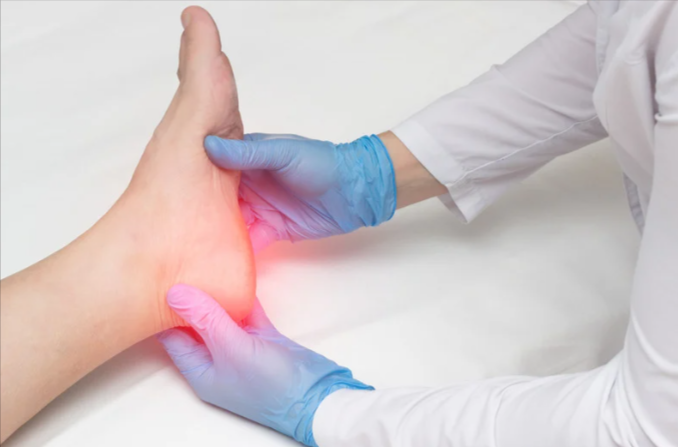
Bunions are a common foot condition that can gradually become painful and interfere with daily life. The condition occurs when the joint at the base of the big toe shifts outward, creating a visible bump along the side of the foot.
As bunions worsen, patients may struggle with walking, exercise, and finding comfortable footwear. Fortunately, modern treatment for bunions includes a wide range of effective non-surgical and surgical options.
Mr. Pavel Akimau provides expert orthopaedic assessment and personalized treatment plans for patients suffering from bunion pain and deformity.
What Causes Bunions?
Bunions usually develop gradually due to pressure and instability within the big toe joint.
Common causes include:
- Genetics
- Flat feet
- Arthritis
- Tight or narrow footwear
- Repetitive foot stress
- Abnormal foot structure
Although footwear does not directly cause bunions, poor shoe choices can worsen symptoms.
Common Symptoms of Bunions
Symptoms vary depending on severity but commonly include:
- A bony bump at the base of the big toe
- Pain while walking
- Swelling and redness
- Difficulty wearing shoes
- Joint stiffness
- Toe deformity
Over time, the big toe may begin crossing over neighboring toes.
Non-Surgical Treatment for Bunions
Many patients achieve symptom relief without surgery.
Footwear Changes
Wearing wide, supportive shoes reduces pressure on the affected joint.
Custom Orthotics
Orthotic devices improve foot alignment and reduce stress during walking.
Padding and Toe Spacers
Protective padding cushions the bunion and minimizes friction.
Physiotherapy
Stretching and strengthening exercises help improve mobility and foot function.
Anti-Inflammatory Medication
Medication may reduce pain and swelling temporarily.
When Is Surgery Recommended?
Surgery may be considered when:
- Pain interferes with daily activities
- Conservative treatment fails
- Deformity worsens
- Walking becomes difficult
The goal of surgery is to restore alignment and relieve discomfort.
Types of Bunion Surgery
Osteotomy
Bone repositioning corrects toe alignment.
Minimally Invasive Surgery
Smaller incisions may reduce recovery time and postoperative discomfort.
Joint Fusion
Severe arthritis cases may require joint stabilization procedures.
Recovery After Bunion Surgery
Recovery often involves:
- Protective footwear
- Limited activity initially
- Physiotherapy
- Gradual return to walking
Most patients experience improved comfort and mobility following recovery.
Why Choose Mr. Pavel Akimau?
Mr. Pavel Akimau specializes in advanced foot and ankle care, including bunion correction and rehabilitation.
Patients benefit from:
- Individualized treatment plans
- Conservative care options
- Modern surgical techniques
- Minimally invasive procedures
- Long-term recovery support
FAQs
Can bunions heal without surgery?
Bunions do not disappear naturally, but symptoms can often be managed conservatively.
Are bunions caused by high heels?
High heels can worsen bunions but are not usually the sole cause.
Is bunion surgery safe?
Modern bunion surgery is generally safe and highly effective when performed by specialists.
How long is bunion surgery recovery?
Recovery varies but often takes several weeks to months.
Can orthotics prevent bunions from worsening?
Yes. Orthotics can improve alignment and reduce joint stress.
For more details please visit the website - https://pavelakimau.com/bunions/
Call us at - 07934539252 , 01782 432227
Email at - [email protected]
Address - North Staffordshire Hospital Clayton Road, Newcastle-under-Lyme, ST5 4DB
- Digital Agency
- Literie
- Location de voitures
- Restaurant
- Restaurant
- Mode
- Mode
- Information
- Marketing
- Tourisme
- Développement
- Découverte
- Législation
- Gastronomie
- Pâtisserie
- Evento
- Art
- Causes
- Crafts
- Dance
- Drinks
- Film
- Fitness
- Food
- Giochi
- Gardening
- Health
- Home
- Literature
- Music
- Networking
- Altre informazioni
- Party
- Religion
- Shopping
- Sports
- Theater
- Wellness
 Italiano
 Indian
 English
 French
 Arabic
 Spanish
 Portuguese
 Deutsch
 Turkish
 Dutch
Dutch
 Russian
 Romaian
 Portuguese (Brazil)
 Greek
Greek
