


How Pipe Corrosion Impacts Water Quality and Flow
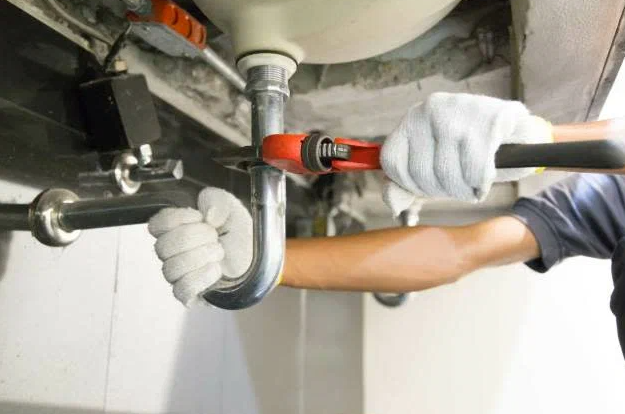
Pipe corrosion is one of the most common and often overlooked problems in residential and commercial plumbing systems. Many homeowners do not notice corrosion until it begins affecting water quality, causing leaks, or restricting water flow. Addressing corrosion issues early is essential not only for protecting your property but also for safeguarding your health. For homeowners looking to resolve such issues effectively, seeking reliable Plumbing services in Chula Vista CA is often the most efficient way to diagnose and correct corrosion-related plumbing concerns.
Understanding What Causes Pipe Corrosion
Corrosion is a natural chemical process that occurs when metal pipes react with substances in water or the surrounding environment. The rate and severity of corrosion depend on several factors, including water acidity, mineral levels, temperature, oxygen content, and the type of pipe material. For instance, galvanized steel pipes tend to corrode faster than copper or PVC pipes because their protective zinc layer wears down over time.
Water chemistry plays a significant role. High levels of dissolved oxygen can speed up the oxidation of metal pipes, while low pH (acidic water) can eat away at pipe surfaces. Even disinfectants like chlorine used in municipal water treatment can contribute to the corrosion process in certain conditions. When all these elements interact, corrosion becomes a gradual but persistent threat to your plumbing system.
How Corrosion Impacts Water Quality
Corroded pipes can negatively affect the quality of the water that flows through them. As pipe material deteriorates, metal particles and rust can contaminate your household water supply. This often results in discoloration, giving water a yellow, brown, or reddish tint. In severe cases, water may develop a metallic taste or unpleasant odor.
Aside from aesthetic issues, corrosion can introduce harmful contaminants into drinking water. Lead and copper, for example, can leach from pipes as they corrode. Exposure to these metals can pose health risks, particularly for children and pregnant women. Even iron and manganese, though less harmful, can stain fixtures, discolor laundry, and affect the taste of food and beverages.
Sediment buildup from corrosion is another concern. As rust and mineral deposits break off from the inside of pipes, they accumulate within the plumbing system. This can reduce water clarity and create ideal conditions for bacteria to grow, further compromising the safety and cleanliness of your water supply.
The Effect of Corrosion on Water Flow
One of the most pronounced impacts of pipe corrosion is reduced water flow. Over time, corrosion products create rough surfaces inside the pipes. These rough surfaces restrict the passage of water, leading to lower pressure and sluggish flow from faucets and showerheads.
Mineral scale buildup, often caused by hard water, combines with corrosion deposits to further narrow the interior of pipes. This phenomenon, known as “tuberculation,” creates bumps and obstructions that impede water pathways. As a result, appliances such as dishwashers, washing machines, and water heaters may operate less efficiently or experience premature wear.
Corrosion can also lead to leaks as the pipe walls weaken. These leaks may start small, but they can cause significant water loss, structural damage, mold growth, and higher utility bills. In severe cases, pipes may rupture completely, leading to costly repairs and water damage restoration.
Signs That Corrosion Is Affecting Your Plumbing
Recognizing the early indicators of corrosion can save you from extensive damage and expensive repairs. Common signs include:
- Discolored or rusty water
- Metallic-tasting water
- Frequent pipe leaks
- Reduced water pressure
- Staining on sinks and tubs
- Unexplained spikes in water bills
- Visible rust on exposed pipes
If you notice any of these symptoms, your pipes may already be experiencing moderate to advanced corrosion.
Long-Term Consequences of Ignoring Corrosion
Ignoring pipe corrosion does not make the problem go away. In fact, the longer corrosion is left untreated, the more severe the consequences become. Poor water quality can affect your health, damage household appliances, and reduce the lifespan of your plumbing system. Frequent leaks and blockages may result in ongoing repairs, creating a cycle of inconvenience and expense.
When corrosion becomes extensive, whole-house repiping may become necessary—a major investment that can be avoided with timely maintenance and early intervention. Proactive care is far more affordable than emergency repair situations caused by pipe failure.
How to Prevent or Minimize Pipe Corrosion
Although corrosion is a natural process, there are several effective ways to reduce its impact:
- Maintain proper water pH levels
- Install water softeners or filtration systems
- Replace aging metal pipes with modern materials
- Schedule regular plumbing inspections
- Insulate pipes exposed to moisture
- Flush water heaters annually to remove sediment
A professional plumber can evaluate the condition of your pipes and recommend the best protection strategies.
When to Call a Professional
Because corrosion can be hidden inside walls or beneath floors, it is not always easy to diagnose on your own. Professional plumbers use specialized tools like video inspection cameras and water quality tests to detect corrosion accurately. If you suspect your pipes are deteriorating or if you notice repeated signs of corrosion, calling an experienced plumbing service is the safest option.
- Digital Agency
- Literie
- Location de voitures
- Restaurant
- Restaurant
- Mode
- Mode
- Information
- Marketing
- Tourisme
- Développement
- Découverte
- Législation
- Gastronomie
- Pâtisserie
- Evento
- Art
- Causes
- Crafts
- Dance
- Drinks
- Film
- Fitness
- Food
- Jogos
- Gardening
- Health
- Início
- Literature
- Music
- Networking
- Outro
- Party
- Religion
- Shopping
- Sports
- Theater
- Wellness
 Portuguese
 Indian
 English
 French
 Arabic
 Spanish
 Deutsch
 Turkish
 Dutch
Dutch
 Italiano
 Russian
 Romaian
 Portuguese (Brazil)
 Greek
Greek
