


What Happens If You Skip Changing Your Car’s Hydraulic Fluid?
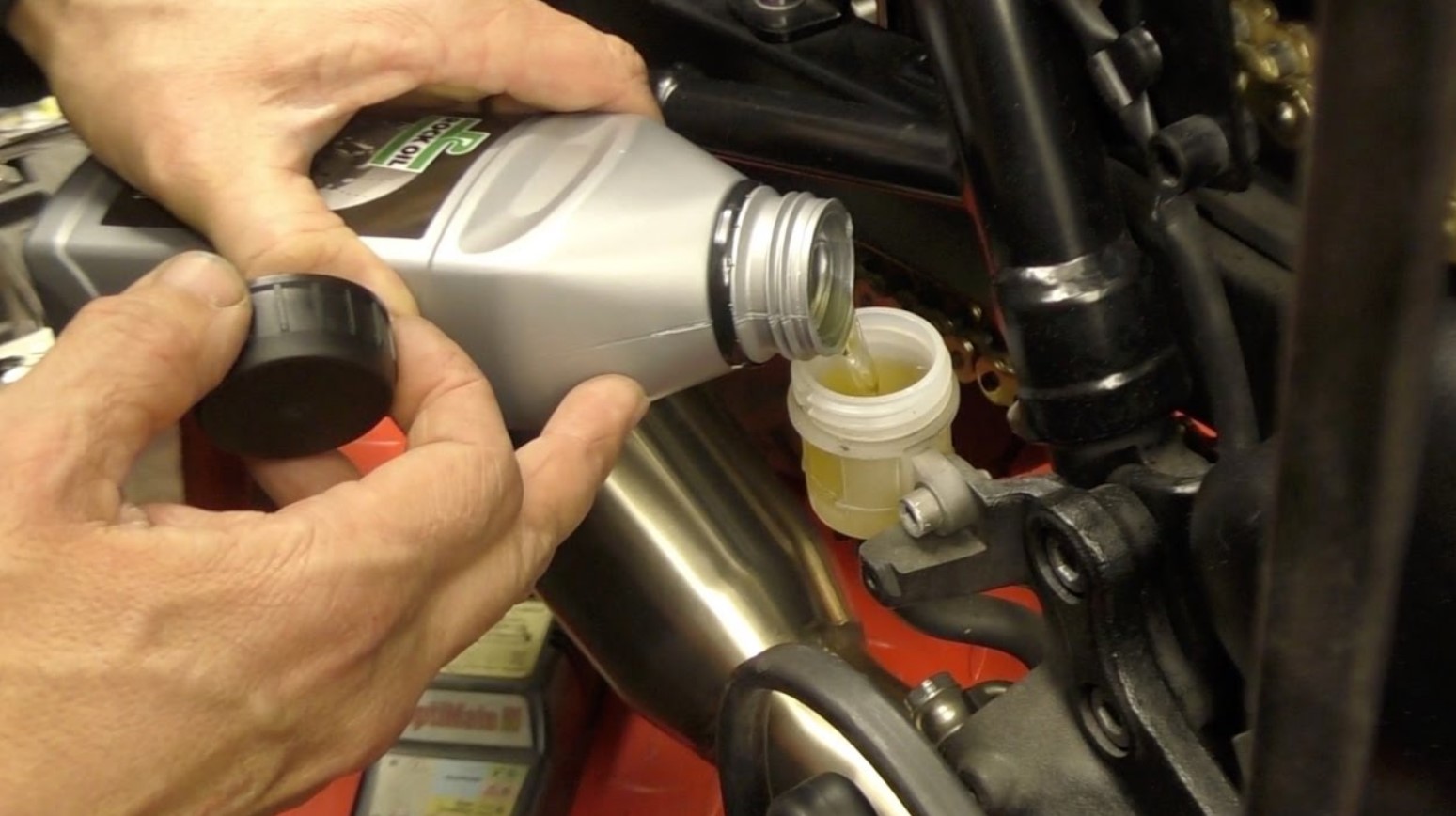
Skipping essential maintenance is often a gamble that drivers lose, and when it comes to hydraulic systems, the stakes are incredibly high. Most car owners are diligent about oil changes or tire rotations, but hydraulic fluids—specifically the fluid used in your braking system—are frequently overlooked. Understanding the critical role of these fluids is the first step in ensuring your vehicle remains safe on the road. If you are overdue for a brake fluid change Sterling VA, you are likely putting more than just your mechanical components at risk; you are compromising your ability to stop when it matters most.
The Role of Hydraulic Fluid in Modern Vehicles
Hydraulic fluid serves as the lifeblood of several automotive systems, most notably the braking and power steering units. Unlike air, liquid is incompressible under pressure. When you press your brake pedal, the fluid transfers that force directly to the brake pads, which then clamp down on the rotors to slow the vehicle. This process generates an immense amount of heat.
Because most brake fluids are glycol-based, they are hygroscopic, meaning they actively absorb moisture from the atmosphere over time. This happens even in sealed systems through microscopic pores in rubber hoses and seals. When water enters the system, it lowers the boiling point of the fluid and causes internal corrosion, leading to a host of expensive and dangerous problems.
Reduced Braking Performance and Pedal "Sponginess"
One of the first signs that you have skipped a necessary service interval is a change in pedal feel. As moisture accumulates in the hydraulic lines, the heat generated during braking can cause that water to turn into vapor. Since gas is compressible (unlike liquid), your brake pedal will begin to feel "spongy" or soft. You might find yourself having to pump the pedal or push it much closer to the floor to achieve the same stopping power.
In extreme driving conditions, such as descending a long hill or stop-and-go traffic, the fluid can actually reach its boiling point. This results in "vapor lock," a terrifying scenario where the brakes may fail completely. Regular maintenance at a professional shop, such as Latino’s Auto Service And Repair, ensures that your fluid is tested for moisture content and replaced before it reaches these dangerous levels.
Internal Corrosion and Component Failure
Beyond immediate performance issues, old hydraulic fluid acts as a silent destroyer of metal components. The additives in fresh fluid include rust inhibitors that protect the master cylinder, brake lines, and expensive Anti-lock Braking System (ABS) modules. Over time, these inhibitors break down.
When moisture reacts with the internal metal surfaces, it creates debris and sludge. This grit can clog the small valves in an ABS pump or score the cylinder walls, leading to leaks. Replacing a master cylinder or an ABS actuator is significantly more expensive than a routine brake fluid change Sterling VA. By skipping the flush, you are essentially trading a low-cost preventive service for a multi-thousand-dollar repair bill down the road.
Impact on Power Steering and Other Systems
While the braking system is the most critical, many vehicles also utilize hydraulic fluid for power steering. Skipping fluid changes in this system leads to increased friction and heat. You may notice a whining noise when turning the steering wheel or a "heavy" feeling in the steering. Over time, contaminated steering fluid will wear out the power steering pump and cause seals to shrink and leak, eventually leading to a total loss of steering assistance.
What You Should Know: Warning Signs to Watch For
It is vital to stay proactive rather than waiting for a total system failure. Drivers should be aware of the following red flags that indicate their car’s hydraulic fluids are compromised:
-
The Dashboard Warning Light: Most modern cars have sensors that detect low fluid levels or pressure issues. Never ignore a brake warning lamp.
-
Discolored Fluid: Fresh brake fluid is usually clear or slightly yellow. If it looks like dark tea or coffee, it is heavily contaminated with moisture and debris.
-
Strange Noises: Grinding or squealing during braking, or whining during turns, often points back to fluid quality affecting component health.
-
Longer Stopping Distances: If your car takes longer to come to a halt than it used to, the hydraulic integrity is likely failing.
The Importance of Professional Fluid Testing
Many people assume they can check their fluid levels and call it a day. However, level is not the same as quality. A reservoir may be full, but the fluid inside could be 5% water, which is enough to fail under pressure. Professional technicians use specialized refractometers or electronic moisture testers to determine the exact health of the fluid.
A comprehensive brake system flush involves removing all the old, contaminated liquid from the master cylinder and the lines at every wheel, replacing it with high-quality, fresh fluid that meets your manufacturer's specific DOT rating. This "bleeding" process also removes any trapped air bubbles that could interfere with pressure distribution.
Long-Term Safety and Resale Value
Maintaining your vehicle’s hydraulic systems is an investment in your safety and the longevity of the car. A vehicle with a documented history of fluid services is far more reliable and retains a better resale value. More importantly, it provides peace of mind. Knowing that your brake system is free of moisture and corrosion allows you to drive with confidence, regardless of the weather or road conditions.
Don't wait for a "spongy" pedal or a mechanical failure to act. Sticking to the manufacturer’s recommended service intervals—usually every two years or 20,000 to 30,000 miles—will keep your hydraulic systems functioning at peak efficiency and save you from the high costs of premature part replacement. Proper maintenance is the only way to ensure that when you hit the brakes, your car responds exactly the way it was designed to.
- Digital Agency
- Literie
- Location de voitures
- Restaurant
- Restaurant
- Mode
- Mode
- Information
- Marketing
- Tourisme
- Développement
- Découverte
- Législation
- Gastronomie
- Pâtisserie
- Event
- Art
- Causes
- Crafts
- Dance
- Drinks
- Film
- Fitness
- Food
- Games
- Gardening
- Health
- Home
- Literature
- Music
- Networking
- Other
- Party
- Religion
- Shopping
- Sports
- Theater
- Wellness
 English
 Indian
 French
 Arabic
 Spanish
 Portuguese
 Deutsch
 Turkish
 Dutch
Dutch
 Italiano
 Russian
 Romaian
 Portuguese (Brazil)
 Greek
Greek
