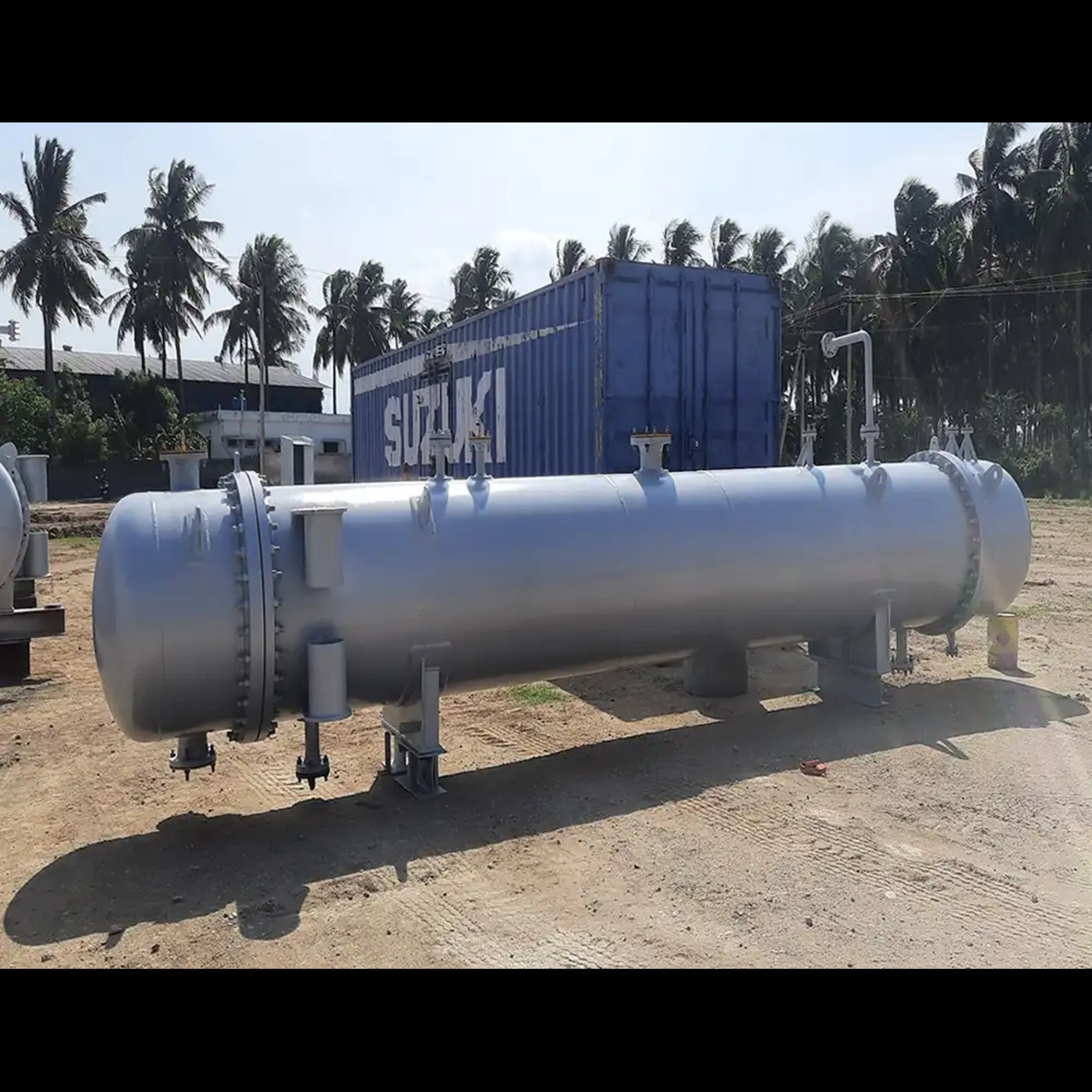
shell and tube heat exchanger 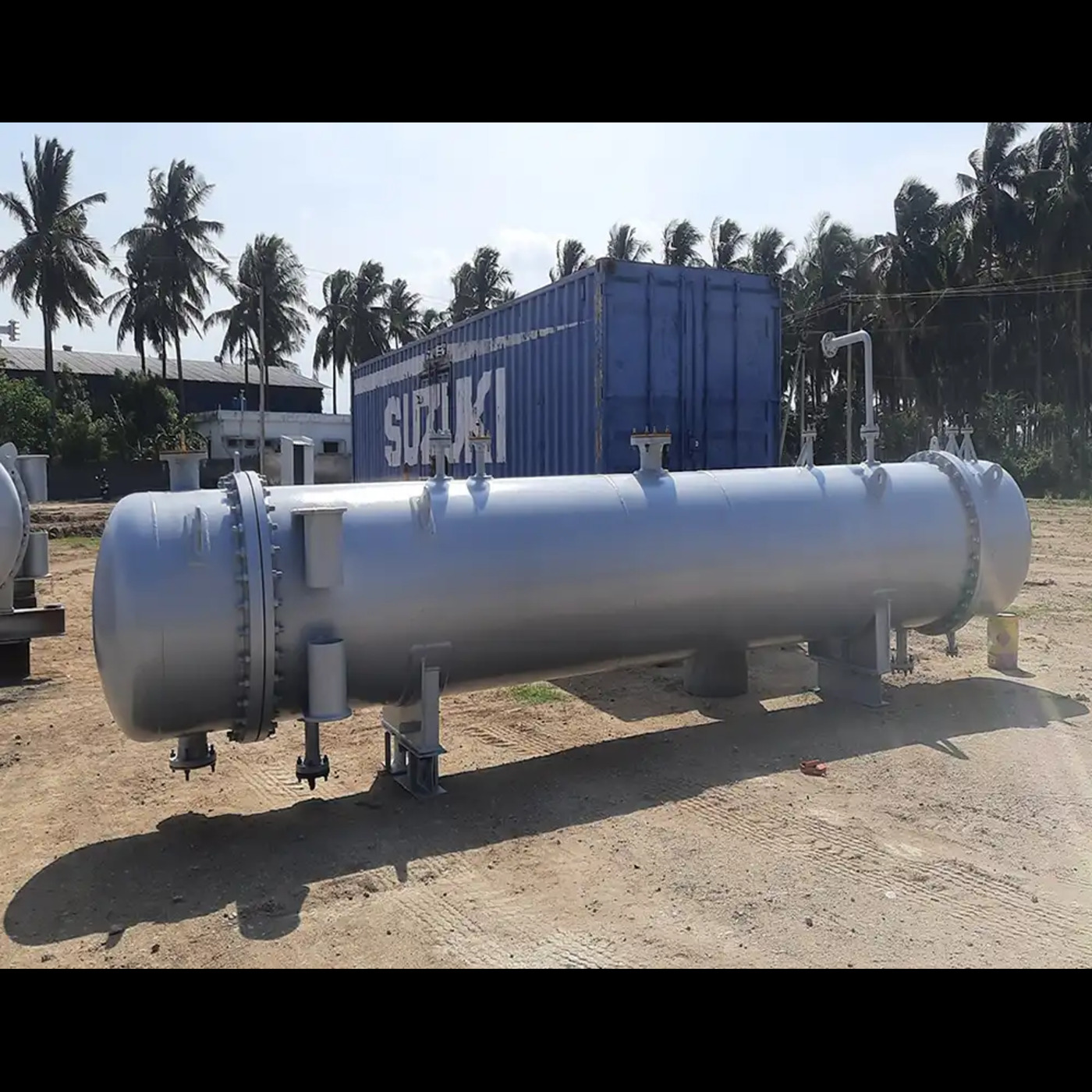 is one of the most widely used types of heat exchangers in industrial applications due to its robust design, flexibility, and efficiency. It is primarily used to transfer heat between two fluids—one flowing through tubes and the other flowing outside the tubes but within a surrounding shell—without the two fluids mixing. This design makes it suitable for high-pressure and high-temperature operations commonly found in industries such as power generation, chemical processing, oil refining, and refrigeration.
The basic construction of a shell and tube heat exchanger consists of a cylindrical shell that encloses a bundle of tubes. One fluid flows through the tubes, known as the tube-side fluid, while the other fluid flows over the tubes within the shell, called the shell-side fluid. The ends of the tubes are typically fixed to tube sheets, which help separate the two fluids and prevent leakage. Baffles are often installed inside the shell to direct the flow of the shell-side fluid across the tubes, improving heat transfer efficiency and supporting the tube bundle.
Heat transfer in a shell and tube heat exchanger occurs through conduction and convection. The hot fluid transfers heat to the tube walls by convection, then the heat passes through the tube material by conduction, and finally, it is transferred to the colder fluid on the other side by convection. The efficiency of this process depends on factors such as fluid velocity, temperature difference, surface area of the tubes, and the thermal conductivity of the materials used.



 Greek
Greek
 Indian
 English
 French
 Arabic
 Spanish
 Portuguese
 Deutsch
 Turkish
 Dutch
Dutch
 Italiano
 Russian
 Romaian
 Portuguese (Brazil)
