


Eco-Friendly Insulation Options Suitable for Canberra Weather
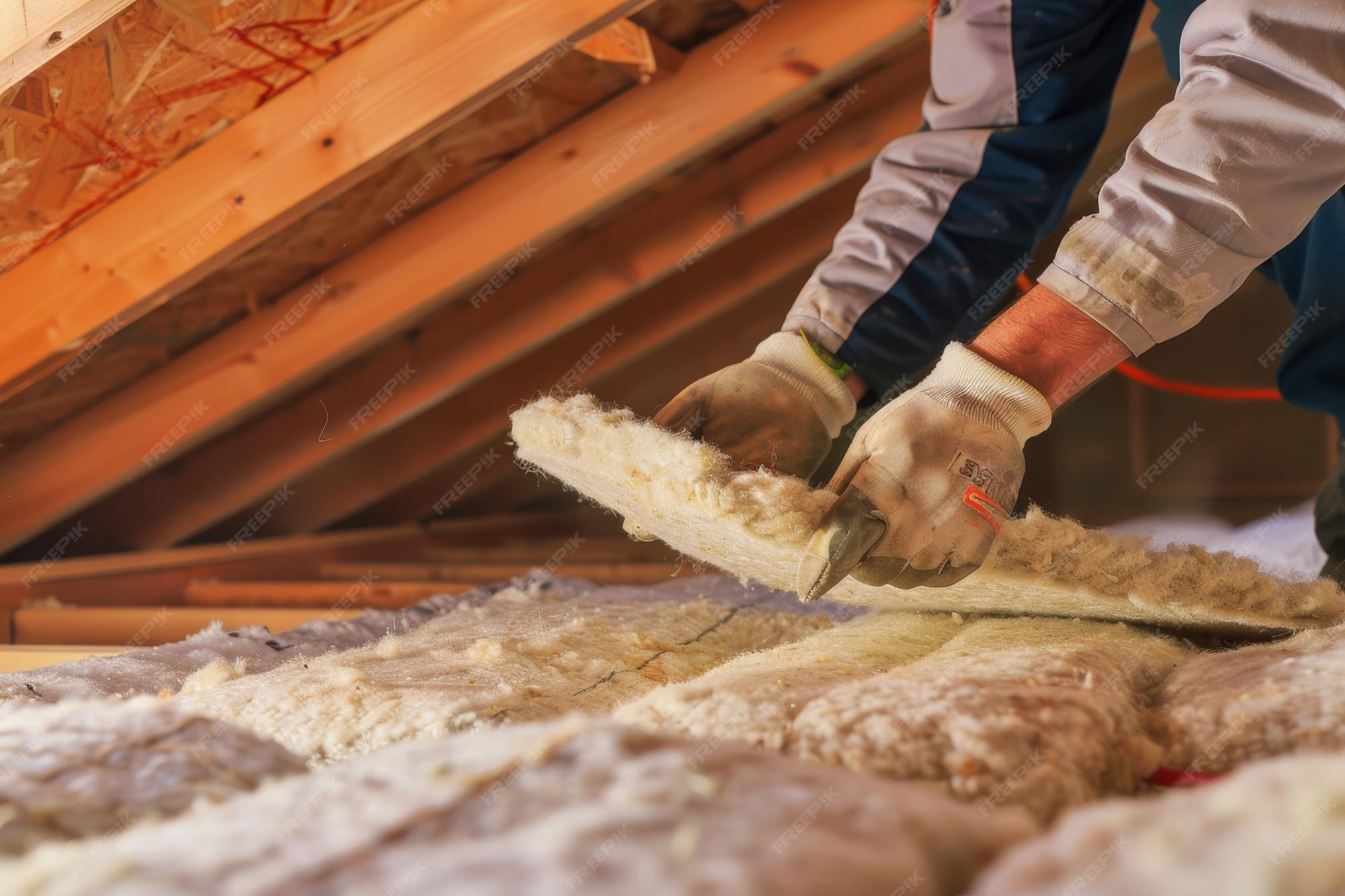
Sustainable building sounds good. Lower bills sound better. In Canberra, both depend on one thing—how well a home controls heat.
This city doesn’t reward half-measures. Winters are sharp. Summers are dry and relentless. Daily temperature swings push homes hard. Eco-friendly insulation only works here if it performs in real conditions, not just on marketing labels.
Many “green” products fail that test. Others handle it well. Knowing the difference matters.
What Eco-Friendly Insulation Actually Means
Let’s be clear.
Eco-friendly doesn’t mean weak. It doesn’t mean experimental. It doesn’t mean sacrificing comfort.
It usually means lower embodied energy, recycled content, renewable materials, or reduced health impact—without losing thermal performance.
Some products hit that balance. Some don’t.
In Canberra’s climate, performance comes first. Sustainability follows only if it survives winter frost and summer heat.
Why Canberra’s Climate Narrows the Options
Canberra sits inland. No coastal buffering. No humidity to soften extremes.
Cold air drains heat fast in winter. Dry heat penetrates roofs and walls in summer. Temperature swings stress materials year-round.
Insulation here must resist heat flow in both directions. It must also last. Degradation wipes out environmental benefits quickly.
That’s why generic “green” advice fails. Canberra needs insulation that handles extremes, not averages.
Cellulose Insulation: Strong Performer When Installed Right
Cellulose often tops eco lists. Recycled paper. Low embodied energy. Good thermal resistance.
It performs well in Canberra when installed correctly. Dense packing matters. Gaps kill performance.
Cellulose controls heat flow and reduces air movement inside cavities. That helps during cold nights and hot afternoons.
Moisture control matters too. Proper installation includes treatments that resist mould and pests.
Done right, cellulose suits roofs and walls. Done poorly, it settles and underperforms.
Sheep’s Wool: Natural, But Not Foolproof
Sheep’s wool sounds ideal. Renewable. Biodegradable. Locally relevant.
Thermally, it performs well. It also manages moisture better than many materials, which helps during Canberra’s cold mornings.
The catch is cost and installation quality. Wool insulation needs proper density. Loose installs lose effectiveness.
It also requires pest management. Canberra’s environment doesn’t ignore untreated materials.
Wool works—but only when specified carefully.
Wood Fibre Insulation: Emerging, Not Universal
Wood fibre boards and batts attract attention. Renewable source. Solid thermal mass. Good acoustic control.
They handle temperature swings well by slowing heat transfer. That’s valuable in Canberra’s daily cycles.
Availability remains limited in Australia. Costs stay high. Installation knowledge varies.
For specific projects, wood fibre fits. For most homes, it’s still a niche option.
Recycled Polyester: Practical and Predictable
Recycled polyester insulation doesn’t sound exciting. That’s a good thing.
It uses recycled plastics. It resists moisture. It holds shape over time. Performance stays consistent.
In Canberra, predictability matters. Polyester works well in ceilings and walls, especially where condensation risk exists.
It lacks the “natural” appeal some homeowners want. It delivers reliable thermal control instead.
Green choices don’t need romance. They need results.
Reflective Solutions and Eco Claims
Reflective insulation often appears in eco discussions. It reflects radiant heat. It uses less bulk material.
In Canberra, reflective layers help in summer. Alone, they struggle in winter.
The smart approach combines reflective and bulk insulation. That hybrid setup handles both seasons.
Marketing often oversells reflectives. Real performance depends on system design, not labels.
How Eco-Friendly Choices Fit Real Homes
Eco insulation works best when chosen as part of a system.
Roof insulation does the heavy lifting. Walls stabilise indoor temperatures. Floors matter in raised homes.
Air sealing supports everything. Gaps cancel gains.
This is why homeowners often search for guidance like How to Insulate Your Home for Canberra’s Frosty Mornings and Hot Summers—because material choice alone doesn’t solve the problem.
Sustainable outcomes depend on correct placement, density, and coverage.
Health, Comfort, and Long-Term Value
Eco-friendly insulation often improves indoor air quality. Fewer irritants. Less off-gassing. Better moisture control.
Comfort improves too. Temperature swings soften. Rooms feel consistent.
Long-term value matters. Insulation that lasts avoids replacement waste and repeat costs.
Green benefits compound only when performance holds.
Common Traps to Avoid
One trap appears often. Choosing materials for labels, not climate.
Another mistake is under-installing to save money. Thin layers erase benefits fast.
Some homeowners also ignore ageing. Insulation that compresses or absorbs moisture loses value quickly.
Eco-friendly doesn’t mean maintenance-free. It means informed choices.
Why Local Experience Still Matters
Canberra isn’t forgiving. Installers familiar with ACT conditions understand what works and what fails quietly.
They know which eco materials survive frost, dry heat, and daily swings. They know where homes lose energy first.
That knowledge protects sustainability goals from becoming expensive experiments.
FAQs
Is eco-friendly insulation suitable for Canberra winters?
Yes, if the material offers enough thermal resistance and is installed correctly.
Does green insulation reduce energy bills?
It can. Performance matters more than material origin.
Are natural insulation materials always better?
No. Some natural products underperform or cost more without added benefit.
Can eco insulation handle Canberra summers?
Only if it slows heat gain effectively. Bulk insulation often needs support from reflective elements.
Is recycled insulation less durable?
Not necessarily. Recycled polyester, for example, holds shape and performance well over time.
- Digital Agency
- Literie
- Location de voitures
- Restaurant
- Restaurant
- Mode
- Mode
- Information
- Marketing
- Tourisme
- Développement
- Découverte
- Législation
- Gastronomie
- Pâtisserie
- Veranstaltung
- Art
- Causes
- Crafts
- Dance
- Drinks
- Film
- Fitness
- Food
- Spiele
- Gardening
- Health
- Startseite
- Literature
- Music
- Networking
- Andere
- Party
- Religion
- Shopping
- Sports
- Theater
- Wellness
 Deutsch
 Indian
 English
 French
 Arabic
 Spanish
 Portuguese
 Turkish
 Dutch
Dutch
 Italiano
 Russian
 Romaian
 Portuguese (Brazil)
 Greek
Greek
