


Emergency Response and Evacuation Plan for Workplace Safety
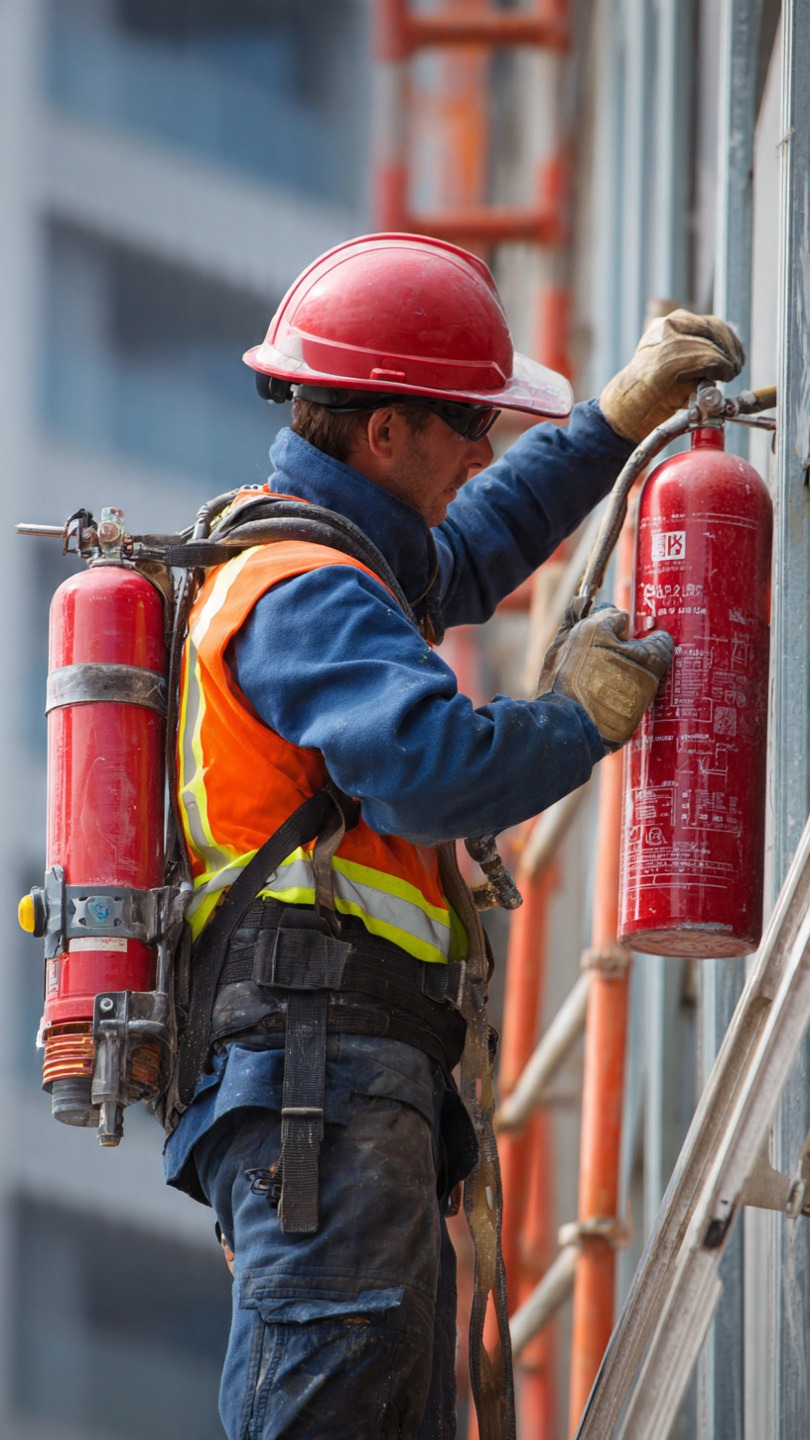
Modern buildings need strong safety systems because risks can appear without warning. A well-structured emergency response and evacuation plan helps people act quickly, stay calm, and move safely during critical situations. At the same time, Building Partial Occupancy Plans are essential when only parts of a building are in use while construction, renovation, or finishing work continues in other areas. These two systems work together to reduce confusion, protect lives, and maintain order. In today’s fast-moving environments, safety is not just a requirement—it is a responsibility. Buildings that prepare in advance handle emergencies more effectively and keep people safer under pressure.
Understanding Real-World Building Risks
Every building has unique risks depending on its design, usage, and occupancy level. Offices may face electrical overloads, retail spaces deal with high visitor movement, and mixed-use buildings combine multiple challenges. When risks are not identified early, small issues can turn into serious problems. For example, blocked corridors, poorly marked exits, or overloaded electrical panels can slow down evacuation. Regular safety assessments help identify these issues before they become dangerous. Experienced safety professionals study layouts, operations, and human movement patterns to suggest practical improvements. This proactive approach ensures buildings remain safe, functional, and ready for unexpected events.
How Clear Communication Improves Safety Outcomes
In any emergency, confusion is the biggest risk factor. Clear communication helps people understand what to do and where to go. Simple instructions, visible signage, and trained staff all contribute to a safer environment. Employees should know how to guide visitors and assist those who may need extra help. Alarm systems must be loud, clear, and tested regularly. Communication is not only about technology—it is also about human behavior. When people understand instructions easily, they respond faster and with less panic. This improves evacuation speed and reduces the chances of injuries during critical situations.
Why Training Builds Stronger Safety Culture
A safe building is not only built with systems but also with trained people. Staff training ensures everyone understands their responsibilities during emergencies. Employees should know evacuation routes, assembly points, and basic emergency procedures. Regular drills help reinforce this knowledge and improve reaction time. Training also builds confidence, which is important during high-stress situations. When workers feel prepared, they make better decisions. Managers should encourage questions and feedback after drills to improve weak areas. A strong safety culture develops when training becomes part of everyday operations rather than a one-time activity.
Managing Safety in Partially Occupied Buildings
Buildings under construction or renovation require extra care because conditions keep changing. Some floors may be active while others are restricted. Materials, tools, and temporary barriers can affect movement paths. In such cases, safety planning becomes more complex. Clear zoning, updated signage, and restricted access areas help reduce risks. Workers and visitors must be informed about safe routes and restricted zones. Regular updates are important because layouts may change frequently. Careful coordination between contractors and building managers ensures smooth operations. This approach helps maintain safety without stopping progress on ongoing work.
The Role of Expert Safety Consultation
Professional safety consultants bring experience and technical knowledge that help improve building safety standards. They assess risks, review compliance, and suggest practical solutions based on real-world conditions. Their goal is not just to meet regulations but to improve overall safety performance. Experts understand how people move within spaces and how emergencies unfold. This helps them design better evacuation strategies and improve response systems. Their recommendations often include small but important changes that make a big difference during emergencies. Working with specialists ensures buildings are safer, more organized, and better prepared for unexpected events.
Conclusion
Strong safety systems protect people, property, and operations. A reliable emergency response and evacuation plan ensures quick action during critical situations, while Building Partial Occupancy Plans provide safe management when only parts of a building are active. Together, they create a structured approach to risk control and emergency readiness. Businesses that invest in proper planning show responsibility and care for everyone inside their premises. Safety is not a one-time task but a continuous process that improves over time. Well-prepared buildings reduce risks, build trust, and create safer environments for everyone.
FAQs
1. Why is emergency planning important in buildings?
It helps people respond quickly and safely during unexpected situations.
2. What is partial occupancy in buildings?
It refers to using only part of a building while other areas are still under construction or repair.
3. How often should safety plans be updated?
They should be reviewed whenever building layouts or operations change.
4. Why are safety drills necessary?
They help people practice real actions so they can respond better during emergencies.
5. Who is responsible for building safety?
Everyone shares responsibility, but management plays the main role in planning and coordination.
- Digital Agency
- Literie
- Location de voitures
- Restaurant
- Restaurant
- Mode
- Mode
- Information
- Marketing
- Tourisme
- Développement
- Découverte
- Législation
- Gastronomie
- Pâtisserie
- Evento
- Art
- Causes
- Crafts
- Dance
- Drinks
- Film
- Fitness
- Food
- Juegos
- Gardening
- Health
- Inicio
- Literature
- Music
- Networking
- Otro
- Party
- Religion
- Shopping
- Sports
- Theater
- Wellness
 Spanish
 Indian
 English
 French
 Arabic
 Portuguese
 Deutsch
 Turkish
 Dutch
Dutch
 Italiano
 Russian
 Romaian
 Portuguese (Brazil)
 Greek
Greek
