


Agriculture Tires: Improving Efficiency and Field Performance
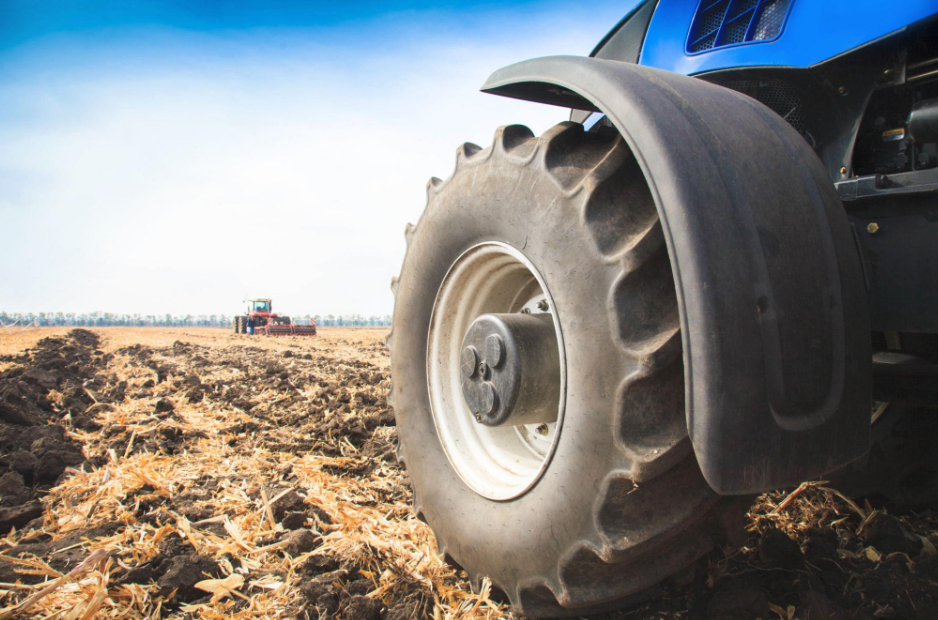
Agriculture tires play a crucial role in modern farming by enhancing productivity, reducing soil damage, and ensuring smooth operations across different terrains. Designed specifically for tractors, harvesters, and other farm equipment, these tires are built to handle heavy loads, rough surfaces, and varying weather conditions.
Importance of Agriculture Tires
The right set of agriculture tires can significantly impact farming efficiency. They provide better traction, allowing machinery to operate effectively even on wet or uneven soil. This reduces slippage, saves fuel, and improves overall work speed. High-quality tires also ensure stability, which is essential for handling heavy agricultural equipment safely.
Types of Agriculture Tires
There are various types of agriculture tires designed for specific applications.
- R-1 Tires: Ideal for general farming, offering excellent traction in wet soil.
- R-2 Tires: Designed for extremely muddy conditions with deeper treads.
- R-3 Tires: Suitable for turf and lighter applications, minimizing soil disturbance.
- R-4 Tires: Best for industrial and mixed-use environments, providing durability and versatility.
Each type serves a unique purpose, making it essential to choose based on your field conditions and machinery requirements.
Benefits of High-Quality Agriculture Tires
Investing in premium agriculture tires offers several advantages. They help reduce soil compaction, which is vital for maintaining soil health and crop yield. Durable rubber compounds increase tire lifespan, reducing replacement costs. Additionally, modern tire designs improve fuel efficiency by minimizing rolling resistance.
Tips for Choosing the Right Tires
Selecting the right agriculture tires depends on factors such as soil type, load capacity, and farming operations. Farmers should consider tread pattern, tire size, and inflation pressure to achieve optimal performance. Regular maintenance, including proper inflation and timely inspection, also ensures long-lasting efficiency.
Conclusion
Agriculture tires are more than just a component of farm machinery—they are a key factor in improving field performance and operational efficiency. Choosing the right tires not only boosts productivity but also protects soil health and reduces long-term costs, making them a smart investment for modern farming.
- Digital Agency
- Literie
- Location de voitures
- Restaurant
- Restaurant
- Mode
- Mode
- Information
- Marketing
- Tourisme
- Développement
- Découverte
- Législation
- Gastronomie
- Pâtisserie
- Eveniment
- Art
- Causes
- Crafts
- Dance
- Drinks
- Film
- Fitness
- Food
- Jocuri
- Gardening
- Health
- Acasă
- Literature
- Music
- Networking
- Alte
- Party
- Religion
- Shopping
- Sports
- Theater
- Wellness
 Romaian
 Indian
 English
 French
 Arabic
 Spanish
 Portuguese
 Deutsch
 Turkish
 Dutch
Dutch
 Italiano
 Russian
 Portuguese (Brazil)
 Greek
Greek
