


What’s the Safest Way to Dispose of Leaves and Tree Debris?
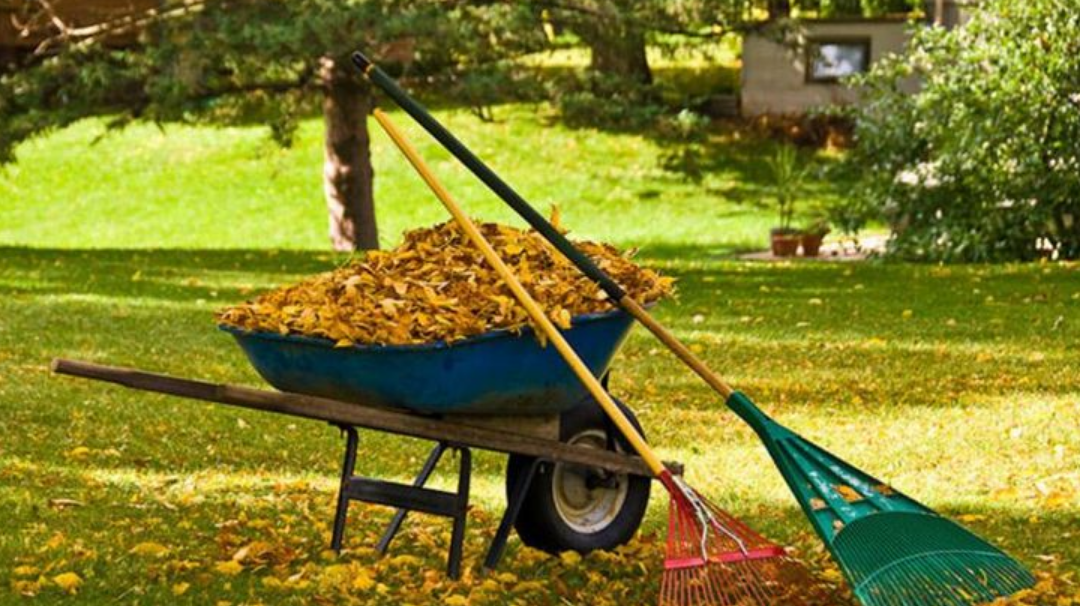
When the seasons shift and your landscape is suddenly carpeted in gold, red, and brown, the sheer volume of organic matter can be overwhelming. While a few scattered leaves are harmless, a heavy layer of debris can suffocate your lawn, harbor pests, and create fire hazards. Knowing the safest and most efficient methods for yard waste removal is essential for maintaining both the beauty and the safety of your property.
What You Should Know is that improper disposal—like dumping debris into local waterways or burning it without a permit—can lead to environmental damage and hefty fines. For homeowners looking for a professional touch, Iron Bear & Co provides expert guidance and services to ensure your outdoor spaces remain pristine and managed responsibly.
The Ecological Impact of Proper Disposal
Before grabbing the rake, it is important to understand why debris management matters. Tree limbs, fallen leaves, and hedge clippings are biodegradable, but when they accumulate in large quantities in suburban settings, they don't break down as they would on a forest floor. Instead, they can block storm drains, leading to localized flooding, or create "dead zones" in your turf by blocking sunlight and oxygen.
Using sustainable green waste disposal methods ensures that these nutrients are recycled back into the earth rather than taking up valuable space in a landfill.
1. Mulching: The "Leave It Be" Approach
One of the safest and most beneficial ways to handle leaf litter is to keep it on-site. If you have a light layer of leaves, you don't necessarily need a full-scale leaf collection strategy.
-
How to do it: Use a mulching mower to shred leaves into tiny pieces.
-
The Benefit: These fragments will fall between the blades of grass and decompose quickly, acting as a natural fertilizer. This returns nitrogen and organic matter to the soil, improving its health for the next growing season.
-
Pro-Tip: Ensure the shredded leaf layer isn't so thick that it hides the grass. If you can’t see the green blades, you need to remove some of the excess.
2. Composting: Gold for Your Garden
If you have a large volume of organic matter, starting a compost pile is an excellent alternative to traditional yard waste removal. Composting transforms "waste" into nutrient-rich soil amendments.
-
The Mix: Aim for a balance of "browns" (dried leaves, twigs, shredded branches) and "greens" (fresh grass clippings, kitchen scraps).
-
Safety First: Avoid composting diseased wood or leaves infested with fungi, as the heat of a standard backyard pile may not be high enough to kill pathogens. These specific items should be handled through professional organic debris hauling to prevent spreading the disease to the rest of your garden.
3. Curbside Collection and Municipal Programs
Most municipalities offer dedicated days for organic waste pick-up. This is often the most convenient route for residents who lack the space for a compost bin.
-
Packaging: Use biodegradable paper lawn bags instead of plastic. Plastic bags often get caught in industrial mulching equipment and contaminate the final product.
-
Bundling: For tree debris like branches and limbs, most cities require them to be cut into specific lengths (usually 4 feet) and tied with twine.
-
Regulations: Always check your local bylaws regarding seasonal yard cleanup to ensure you aren't placing items out too early or using prohibited containers.
4. The Risks of Open Burning
In many rural areas, burning remains a common practice, but it is rarely the "safest" method.
-
Air Quality: Burning damp leaves produces wood smoke that contains fine particulates and hazardous compounds, which can irritate the lungs of neighbors and contribute to smog.
-
Fire Safety: A small pile of brush can quickly turn into an out-of-control fire with a single gust of wind.
-
Legal Restrictions: Many jurisdictions have permanent burn bans or require strict permits. If you choose this route, always have a water source nearby and never leave the fire unattended.
5. Professional Debris Hauling
For large-scale projects—such as after a major storm or a significant landscaping overhaul—the DIY approach may be physically taxing or logistically impossible. Heavy logs, massive brush piles, and thick layers of wet leaves require heavy-duty equipment.
Professional tree debris management services specialize in clearing out large volumes of material quickly. This is where Iron Bear & Co excels, offering a seamless transition from a cluttered yard to a clean, safe environment. Professionals have the tools to chip large branches into usable mulch or transport them to industrial composting facilities where they are processed at high temperatures to ensure all weed seeds and pathogens are destroyed.
6. Utilizing Tree Debris for Wildlife
If you have a larger property or a "wild" corner in your garden, consider creating a brush pile.
-
Biodiversity: Stacking fallen branches and leaves in a secluded area provides a vital winter habitat for birds, small mammals, and beneficial insects like pollinators.
-
Placement: Keep these piles at least 30 feet away from your home to ensure that any pests (like rodents) attracted to the pile don't find their way into your crawlspace or attic.
Conclusion: A Greener Path Forward
Disposing of tree debris doesn't have to be a chore that harms the environment. Whether you choose to mulch, compost, or opt for professional yard waste removal, the goal is to keep organic matter out of the trash stream. By choosing responsible disposal methods, you protect your local ecosystem, enrich your soil, and keep your property looking its best.
When the task feels too big to handle alone, remember that expert help is just a call away to ensure your yard remains a safe and beautiful sanctuary.
- Digital Agency
- Literie
- Location de voitures
- Restaurant
- Restaurant
- Mode
- Mode
- Information
- Marketing
- Tourisme
- Développement
- Découverte
- Législation
- Gastronomie
- Pâtisserie
- Evenement
- Art
- Causes
- Crafts
- Dance
- Drinks
- Film
- Fitness
- Food
- Spellen
- Gardening
- Health
- Home
- Literature
- Music
- Networking
- Overig
- Party
- Religion
- Shopping
- Sports
- Theater
- Wellness
 Dutch
Dutch
 Indian
 English
 French
 Arabic
 Spanish
 Portuguese
 Deutsch
 Turkish
 Italiano
 Russian
 Romaian
 Portuguese (Brazil)
 Greek
Greek
