


Cost of Polyolefin Shrink Film per Kilogram in India: A Complete Market Guide
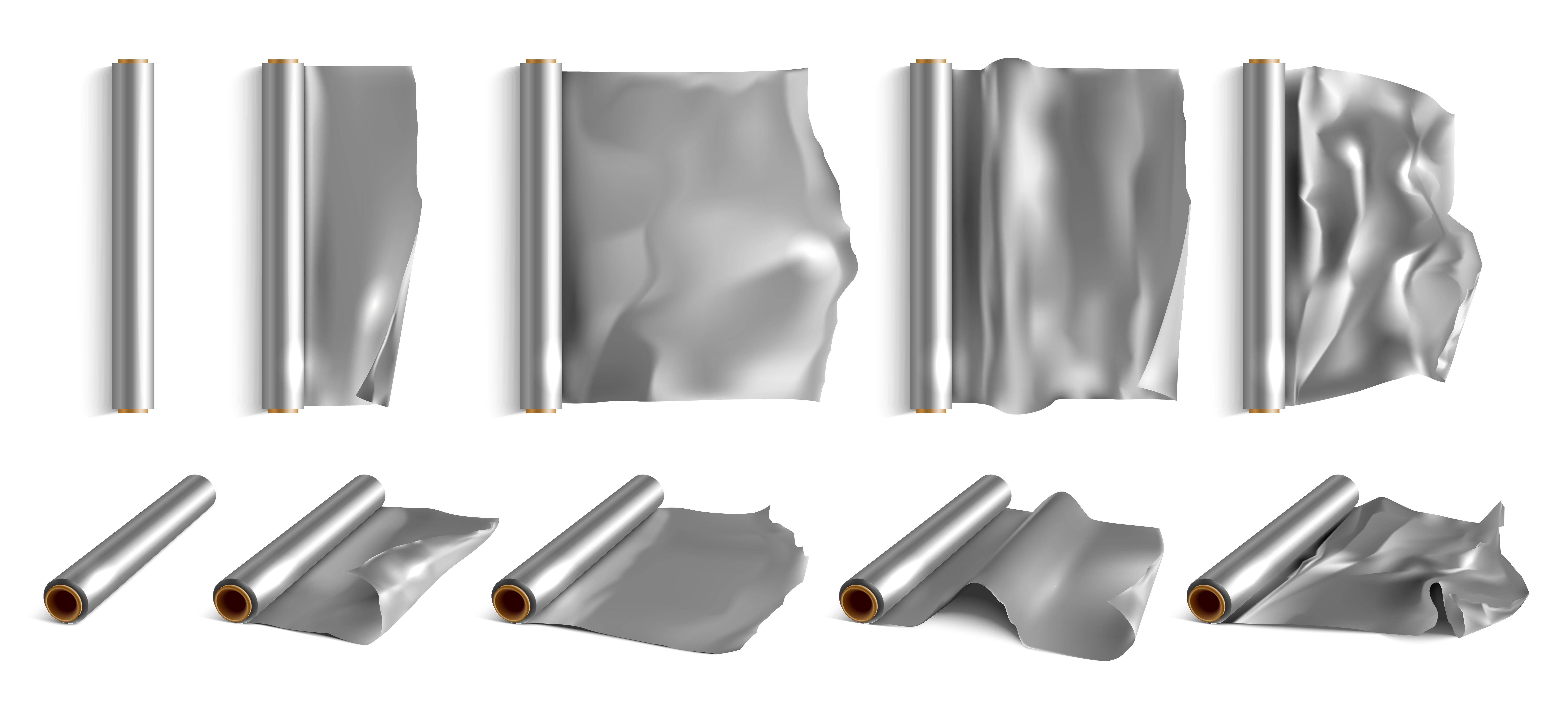
Cost of Polyolefin Shrink Film per Kilogram in India: A Complete Market Guide
The demand for polyolefin shrink film (POF shrink film) in India has grown steadily over the past decade due to its wide usage in packaging across industries such as FMCG, food processing, pharmaceuticals, and retail logistics. As businesses increasingly shift toward more efficient and visually appealing packaging, one of the most common questions buyers ask is:
“What is the cost of polyolefin shrink film per kilogram in India?”
The answer is not fixed because pricing depends on several technical, market, and supply chain factors. This article breaks down the real cost structure, market range, influencing factors, and what buyers in India—especially in industrial hubs like Delhi NCR—should expect when sourcing POF shrink film.
Understanding Polyolefin Shrink Film Pricing Basics
Polyolefin shrink film is usually priced in kilograms (kg) or sometimes in roll weight terms, depending on the supplier and order size. The cost is influenced by raw material pricing (polymer resins), manufacturing technology, thickness, and demand fluctuations in the packaging industry.
Unlike basic plastic films, POF shrink film is a multi-layer, biaxially oriented material, which makes its production more complex and slightly costlier.
Average Cost of POF Shrink Film per Kg in India
As of recent market trends in India, the approximate pricing is:
- Basic POF shrink film: ₹180 – ₹260 per kg
- Standard commercial grade: ₹260 – ₹350 per kg
- Premium cross-linked film: ₹350 – ₹500+ per kg
These are general market ranges and can vary depending on:
- Order volume
- Thickness (micron level)
- Transparency and clarity requirements
- Printing or customization needs
- Supplier location and logistics
Bulk buyers typically get significantly better rates compared to small orders.
Key Factors That Affect the Cost
Understanding what drives the price helps businesses make better purchasing decisions instead of focusing only on per kg cost.
1. Raw Material Prices (Polyolefin Resin)
The biggest cost component is the resin used in manufacturing. Since it is linked to global petrochemical prices, fluctuations directly impact film pricing.
When crude oil prices rise, POF shrink film prices usually increase as well.
2. Film Thickness (Micron Level)
Thicker films cost more because they use more raw material.
Typical thickness options include:
- 12–15 micron (light packaging)
- 19 micron (standard use)
- 25 micron and above (heavy-duty packaging)
Heavier films naturally increase cost per kilogram.
3. Manufacturing Technology
Cross-linked POF shrink film, which offers higher strength and better machine performance, is more expensive than standard film due to advanced processing techniques.
4. Order Volume
Bulk orders significantly reduce cost per kg.
- Small orders → higher per kg cost
- Industrial bulk orders → discounted pricing
This is one of the biggest pricing differences in India’s packaging market.
5. Custom Printing and Branding
If the film is printed with logos or product information, the cost increases due to:
- Printing plates
- Ink usage
- Additional processing time
6. Supplier and Logistics Cost
Location matters. Suppliers closer to industrial hubs like Delhi NCR often provide better pricing due to lower transportation costs.
Price Trends in Delhi NCR Market
Delhi NCR is one of India’s most active packaging markets. Due to high competition among suppliers, pricing here is generally more stable compared to smaller cities.
However, businesses still see variation depending on supplier type:
- Large national manufacturers → stable but less flexible pricing
- Regional suppliers → competitive pricing with faster delivery
- Traders/distributors → slightly higher margins
Companies often compare multiple suppliers before finalizing contracts.
Role of Suppliers in Pricing Stability
Suppliers play a major role in determining final cost. A reliable supplier not only provides competitive pricing but also ensures consistency in quality.
For example, packaging companies like Regal Woven, along with other regional and national suppliers, focus on offering stable pricing structures for bulk buyers while maintaining consistent film performance.
In practice, businesses often choose suppliers based on:
- Long-term pricing stability
- Delivery reliability
- Film performance consistency
- Technical support for machine usage
Because even a small variation in film quality can affect packaging efficiency, price alone is never the deciding factor for serious buyers.
Cost vs Quality: What Buyers Often Miss
Many buyers in India make the mistake of choosing the lowest-priced POF shrink film. However, cheaper film can lead to:
- Machine jams
- Uneven shrinkage
- Higher wastage
- Weak sealing
- Product damage during transport
In such cases, the “cheaper” option ends up costing more in the long run.
A slightly higher per kg price often provides:
- Better productivity
- Lower rejection rates
- Smoother packaging operations
- Reduced downtime
Industrial Applications That Influence Pricing Decisions
Different industries have different packaging needs, which affects the type and cost of film they use.
FMCG Industry
Requires high clarity and fast-shrinking film for retail display.
Food Industry
Needs food-grade, safe, and odor-free packaging materials.
Electronics
Requires strong protective film to prevent scratches and dust.
Logistics & Warehousing
Focuses on durability and cost-efficiency at scale.
Each of these applications may use different film grades, which changes the per kg cost.
How to Get the Best Price for POF Shrink Film in India
If you are sourcing shrink film in bulk, here are practical tips:
1. Buy in Bulk
Higher volumes always reduce per kg pricing significantly.
2. Standardize Specifications
Avoid unnecessary customization unless required.
3. Compare Multiple Suppliers
Check both manufacturers and distributors.
4. Evaluate Total Cost, Not Just Price
Include wastage, machine efficiency, and downtime in your calculation.
5. Choose Reliable Suppliers
Consistency is more important than minor price differences.
Future Pricing Outlook in India
The price of polyolefin shrink film in India is expected to remain moderately stable, with gradual increases linked to raw material costs and energy prices.
However, increasing competition among suppliers and improved domestic manufacturing capacity may help balance pricing in the long term.
Sustainability trends may also influence the market, with demand shifting toward more eco-friendly and efficient packaging materials.
Conclusion
The cost of polyolefin shrink film per kilogram in India typically ranges between ₹180 to ₹500+, depending on quality, thickness, and application. However, price alone does not define value in packaging.
Businesses must consider performance, supplier reliability, and operational efficiency before making a purchase decision.
In competitive markets like Delhi NCR, working with experienced suppliers—whether large manufacturers or reliable regional players like Regal Woven—helps ensure stable pricing and consistent packaging quality.
Ultimately, the right choice is not the cheapest film, but the one that delivers the best balance of cost, performance, and reliability for your specific application.
- Digital Agency
- Literie
- Location de voitures
- Restaurant
- Restaurant
- Mode
- Mode
- Information
- Marketing
- Tourisme
- Développement
- Découverte
- Législation
- Gastronomie
- Pâtisserie
- Event
- Art
- Causes
- Crafts
- Dance
- Drinks
- Film
- Fitness
- Food
- Games
- Gardening
- Health
- Home
- Literature
- Music
- Networking
- Other
- Party
- Religion
- Shopping
- Sports
- Theater
- Wellness
 English
 Indian
 French
 Arabic
 Spanish
 Portuguese
 Deutsch
 Turkish
 Dutch
Dutch
 Italiano
 Russian
 Romaian
 Portuguese (Brazil)
 Greek
Greek
