


Business Licenses in Florida: A Strategic Legal Guide for Healthcare Businesses
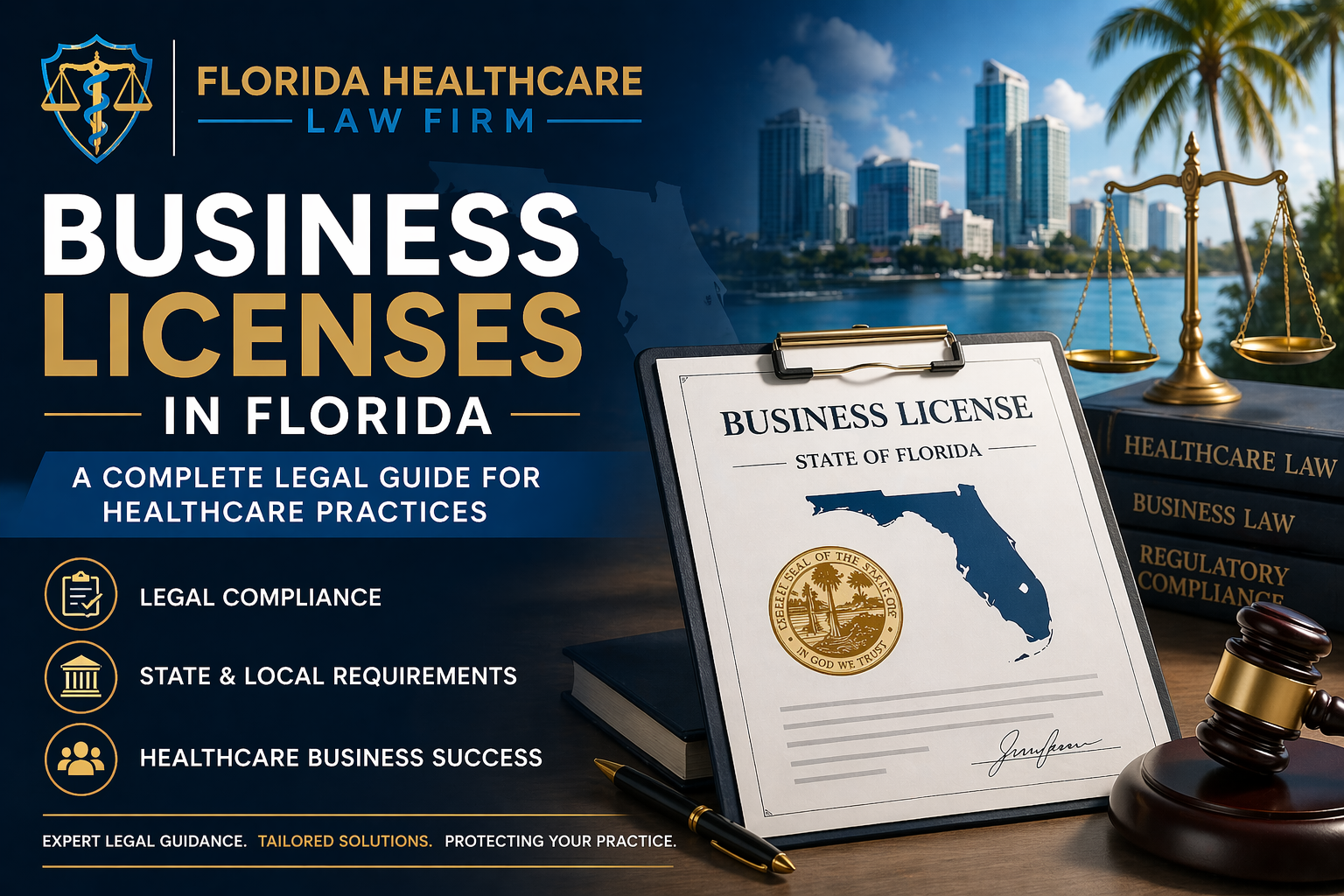
In Florida’s highly regulated healthcare environment, compliance is not just a legal requirement—it is a core component of business strategy. One of the most overlooked yet critical aspects of this compliance framework is securing and maintaining Business Licenses in Florida. For healthcare providers, medical entrepreneurs, and legal professionals, proper licensing is the foundation upon which operational legitimacy and long-term success are built.
Florida Healthcare Law Firm works closely with healthcare clients to ensure that licensing is not treated as a routine administrative step, but as a strategic priority integrated into every stage of business development.
Understanding the Complexity Behind Florida Licensing
Unlike states with a centralized licensing system, Florida operates through a layered structure involving state agencies, counties, and municipalities. This decentralized approach creates a complex compliance landscape, particularly for healthcare-related businesses.
Healthcare entities must navigate:
- State-level registrations and professional regulations
- County-issued Business Tax Receipts
- City-specific licensing and zoning approvals
Each layer carries its own requirements, timelines, and renewal obligations. Missing even one component can result in fines, delays, or operational shutdowns.
Why Licensing Matters More in Healthcare
Healthcare businesses face heightened scrutiny due to the nature of their services, financial structures, and regulatory exposure. Licensing is not just about permission to operate—it directly impacts:
- Eligibility for insurance reimbursements
- Contracting with hospitals and provider networks
- Credibility with patients and partners
- Protection against regulatory enforcement
Improper or incomplete Business Licenses in Florida can trigger audits, disrupt revenue streams, and expose businesses to legal liability.
Entity Formation and Licensing Alignment
Choosing the correct legal structure is essential for both compliance and growth. Healthcare businesses in Florida are often formed as Professional Associations (P.A.) or Professional Limited Liability Companies (PLLCs), each with specific ownership and operational rules.
However, forming an entity is only the first step. Licensing must align with:
- The nature of healthcare services provided
- Ownership and management structure
- Geographic location of operations
- Applicable regulatory authorities
Florida Healthcare Law Firm ensures that entity formation and licensing strategies are fully synchronized, reducing risk and avoiding costly restructuring later.
Local Licensing: The Most Common Compliance Gap
One of the most frequent issues healthcare businesses face is overlooking local licensing requirements. Many assume that state registration is sufficient, when in reality, counties and cities require their own approvals.
These typically include:
- County Business Tax Receipts
- Municipal occupational licenses
- Zoning verification for medical or professional use
For multi-location healthcare operations, this complexity multiplies. Each location may have different requirements, making centralized compliance management essential.
Licensing and Regulatory Risk Management
Licensing is closely tied to broader regulatory compliance. In healthcare, this includes adherence to federal laws such as HIPAA, the Stark Law, and the Anti-Kickback Statute, as well as Florida-specific healthcare regulations.
A proactive legal strategy includes:
- Regular compliance audits
- Monitoring changes in licensing laws
- Maintaining accurate and updated documentation
- Preparing for inspections and regulatory reviews
Florida Healthcare Law Firm helps clients implement systems that go beyond minimum compliance, creating a strong defense against enforcement actions.
Business Growth, Transactions, and Licensing Due Diligence
Licensing plays a critical role in healthcare transactions, including mergers, acquisitions, and practice expansions. Buyers and investors conduct detailed due diligence to verify that all licenses are valid, current, and properly aligned with operations.
Any gaps in Business Licenses in Florida can:
- Delay or derail transactions
- Reduce business valuation
- Create post-closing liabilities
By addressing licensing issues early, businesses can position themselves for smoother transactions and stronger negotiating leverage.
Turning Compliance into Competitive Advantage
While many businesses view licensing as a burden, forward-thinking healthcare organizations treat it as a competitive advantage. Proper licensing demonstrates professionalism, reliability, and readiness to operate at a high standard.
It also enables:
- Faster expansion into new markets
- Stronger relationships with partners and payers
- Increased trust from patients and stakeholders
Florida Healthcare Law Firm helps clients transform compliance into a strategic asset that supports growth and stability.
Conclusion
In Florida’s healthcare sector, success depends on more than clinical excellence or business acumen—it requires a deep commitment to legal and regulatory compliance. Securing and maintaining Business Licenses in Florida is a critical part of that commitment, influencing everything from daily operations to long-term growth opportunities.
By working with experienced legal counsel, healthcare businesses can move beyond reactive compliance and build a proactive, resilient foundation for success. Florida Healthcare Law Firm provides the insight, structure, and strategic guidance needed to navigate this complex landscape with confidence.
- Digital Agency
- Literie
- Location de voitures
- Restaurant
- Restaurant
- Mode
- Mode
- Information
- Marketing
- Tourisme
- Développement
- Découverte
- Législation
- Gastronomie
- Pâtisserie
- Eveniment
- Art
- Causes
- Crafts
- Dance
- Drinks
- Film
- Fitness
- Food
- Jocuri
- Gardening
- Health
- Acasă
- Literature
- Music
- Networking
- Alte
- Party
- Religion
- Shopping
- Sports
- Theater
- Wellness
 Romaian
 Indian
 English
 French
 Arabic
 Spanish
 Portuguese
 Deutsch
 Turkish
 Dutch
Dutch
 Italiano
 Russian
 Portuguese (Brazil)
 Greek
Greek
