


Poppy pods
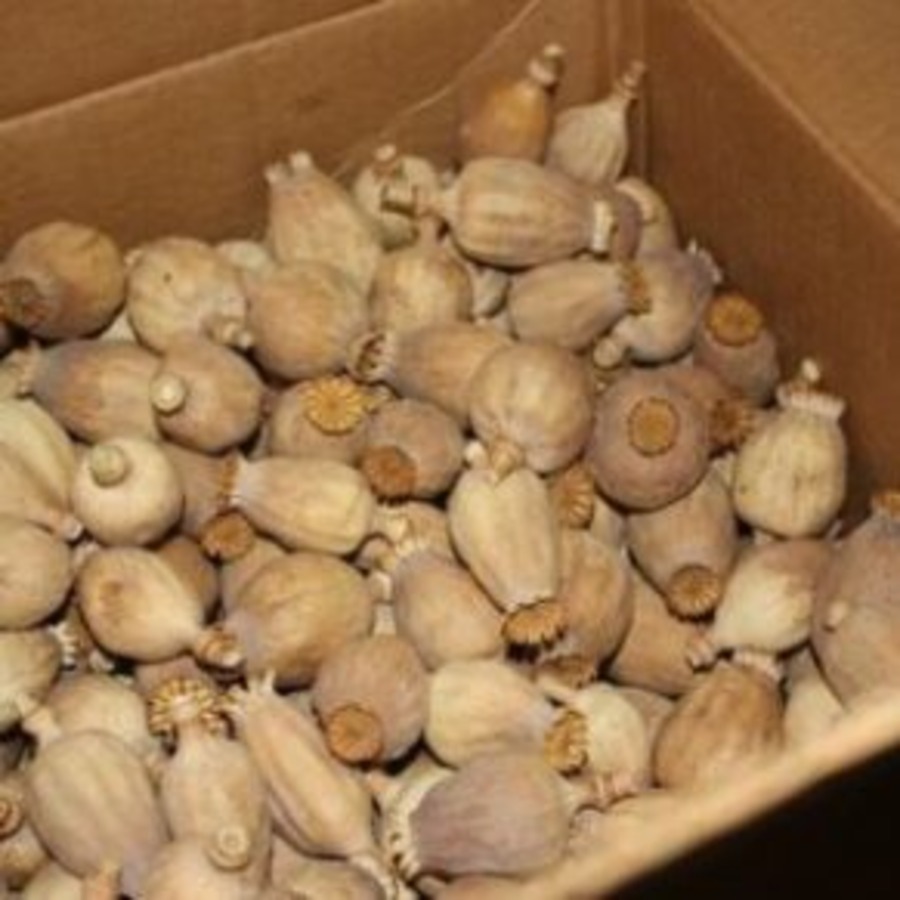
Introduction to Poppy Pods
Poppy pods are the distinctive seed capsules of the Papaver somniferum plant, widely recognized for their rounded shape and crown-like top. These natural structures have gained popularity for their ornamental appeal, historical relevance, and practical uses. From garden landscapes to dried floral arrangements, poppy pods hold a unique place in both horticulture and design. Their growing visibility in modern décor and gardening trends makes them a fascinating topic for enthusiasts and researchers alike.
Botanical Characteristics and Growth
Poppy plants are annuals that thrive in temperate climates, favoring full sunlight and well-drained soil. After blooming with delicate, papery flowers in vibrant hues—such as red, pink, white, and purple—the petals fall away, leaving behind the iconic pod. Each pod contains hundreds of tiny seeds, making the plant highly efficient at self-seeding. Gardeners value poppies for their low-maintenance nature, as they require minimal care once established. Sowing seeds directly into the soil during cooler seasons typically yields the best results.
Uses in Culinary and Decorative Applications
While poppy seeds are widely used in baking and cooking for their subtle nutty flavor, the pods themselves are primarily valued for decorative purposes. Once dried, poppy pods become durable and visually appealing elements in floral arrangements, wreaths, and crafts. Their natural texture and earthy tones align well with rustic, farmhouse, and minimalist interior styles. Additionally, they are considered an eco-friendly décor option due to their biodegradability and long-lasting nature.
Cultural and Historical Significance
Poppy pods have been associated with symbolism across various cultures for centuries. They are often linked to themes of sleep, remembrance, and peace. This symbolism can be traced back to ancient civilizations, where poppies were cultivated for both their seeds and other traditional uses. Over time, the imagery of poppy flowers and pods has appeared in art, literature, and commemorative practices, reinforcing their cultural importance worldwide.
Legal and Safety Considerations
Despite their beauty and versatility, poppy pods come with important legal considerations. The Papaver somniferum plant contains naturally occurring compounds that are regulated in many regions. While poppy seeds for culinary use are generally legal and safe, the possession or use of other parts of the plant—such as the pods—may be restricted depending on local laws. Anyone interested in buying, selling, or using poppy pods should research and comply with regulations in their area to avoid legal complications.
Growing and Harvesting Tips
For those looking to cultivate poppies, success lies in simplicity. Plant seeds in a sunny location with loose, well-drained soil, and avoid transplanting, as poppies prefer undisturbed roots. Water sparingly and allow the plants to mature naturally. Harvesting pods at the right time is crucial—typically when they have dried on the stem and developed a firm texture. Properly dried pods can then be stored or used for decorative purposes without losing their shape or quality.
Conclusion
Poppy pods are more than just attractive botanical elements—they represent a blend of natural beauty, historical depth, and practical use. Whether incorporated into garden spaces, culinary traditions, or artistic designs, they offer versatility and charm. By understanding their growth, uses, and legal context, individuals can appreciate poppy pods in a responsible and informed way while enhancing their connection to nature.
- Digital Agency
- Literie
- Location de voitures
- Restaurant
- Restaurant
- Mode
- Mode
- Information
- Marketing
- Tourisme
- Développement
- Découverte
- Législation
- Gastronomie
- Pâtisserie
- مناسبة
- Art
- Causes
- Crafts
- Dance
- Drinks
- Film
- Fitness
- Food
- الألعاب
- Gardening
- Health
- الرئيسية
- Literature
- Music
- Networking
- أخرى
- Party
- Religion
- Shopping
- Sports
- Theater
- Wellness
 Arabic
 Indian
 English
 French
 Spanish
 Portuguese
 Deutsch
 Turkish
 Dutch
Dutch
 Italiano
 Russian
 Romaian
 Portuguese (Brazil)
 Greek
Greek
