


Understanding the Benefits of Horse Infrared Light Therapy for Modern Equine Care
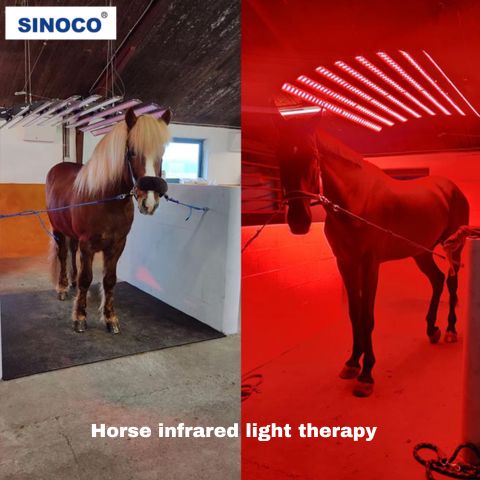
In modern equine wellness and rehabilitation, advanced light-based technologies are becoming an essential part of recovery and performance support. Among these innovations, infrared therapy stands out as a non-invasive, drug-free method designed to enhance healing, reduce discomfort, and improve overall horse health. A deeper understanding of horse infrared light therapy helps horse owners, trainers, and veterinarians make informed decisions about integrating this powerful technology into daily care routines.
Infrared light therapy works by delivering specific wavelengths of light that penetrate deep into muscle and tissue layers. Unlike visible light, infrared wavelengths are invisible to the human eye but are highly effective at reaching beneath the skin. This allows the therapy to interact directly with cells, stimulating natural biological processes that support healing and recovery.
One of the primary benefits of infrared therapy is its ability to enhance circulation. Improved blood flow means more oxygen and nutrients are delivered to injured or stressed tissues, while metabolic waste is removed more efficiently. This process accelerates recovery and helps reduce swelling, stiffness, and inflammation in muscles and joints. As a result, horses experience faster healing from injuries such as tendon strains, ligament damage, and general muscle fatigue.
Pain relief is another major advantage of infrared light therapy. By stimulating cellular activity and improving circulation, the therapy helps reduce inflammation, which is often a key source of discomfort in horses. Many equine professionals use it to support horses suffering from arthritis, back pain, or post-exercise soreness. Because it is non-invasive and does not rely on medication, it provides a safe alternative for long-term management of chronic conditions.
In addition to recovery benefits, infrared therapy is widely used to improve performance and conditioning. Regular sessions can help loosen tight muscles, improve flexibility, and reduce the risk of injury during training. Horses that undergo consistent infrared treatments often show better endurance and faster post-exercise recovery, making it a valuable tool for competitive equestrian sports.
Another important advantage is stress reduction and relaxation. The gentle warmth produced during therapy sessions has a calming effect on horses, helping them relax both physically and mentally. This is especially beneficial for high-performance horses that experience regular travel, competition stress, or intense training schedules.
Modern infrared therapy devices are designed in various forms, including wraps, pads, and full-body systems, allowing targeted treatment based on the horse’s needs. These devices are built to deliver controlled wavelengths safely and effectively, ensuring consistent results across different applications. Veterinary professionals and equine therapists often integrate these systems into rehabilitation programs to support faster and more efficient recovery outcomes.
Safety is also a key reason behind the growing popularity of infrared therapy. When used correctly, it is considered non-invasive, painless, and free from known side effects. However, proper usage guidelines and veterinary consultation are always recommended to ensure optimal results, especially for horses with complex medical conditions.
As equine science continues to advance, infrared technology is becoming a cornerstone of modern horse care. Its ability to support healing, enhance performance, and improve overall well-being makes it an invaluable addition to both professional stables and personal horse care routines.
- Digital Agency
- Literie
- Location de voitures
- Restaurant
- Restaurant
- Mode
- Mode
- Information
- Marketing
- Tourisme
- Développement
- Découverte
- Législation
- Gastronomie
- Pâtisserie
- Event
- Art
- Causes
- Crafts
- Dance
- Drinks
- Film
- Fitness
- Food
- Games
- Gardening
- Health
- Home
- Literature
- Music
- Networking
- Other
- Party
- Religion
- Shopping
- Sports
- Theater
- Wellness
 English
 Indian
 French
 Arabic
 Spanish
 Portuguese
 Deutsch
 Turkish
 Dutch
Dutch
 Italiano
 Russian
 Romaian
 Portuguese (Brazil)
 Greek
Greek
