


Why Businesses Are Rethinking Infrastructure with Cloud Systems
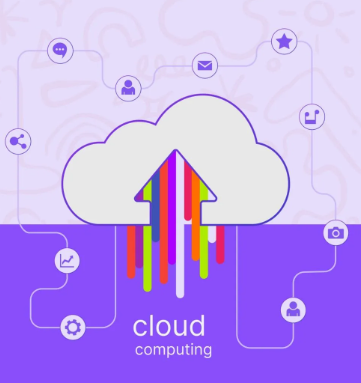
The growing reliance on digital tools has pushed organizations to reconsider how they manage data and applications. A cloud-based server plays a central role in this shift, offering a flexible way to store, process, and access information without relying on physical hardware. Instead of maintaining on-site servers, companies can run operations through remote systems that are accessible from almost anywhere with an internet connection.
One of the key reasons behind this shift is scalability. Traditional infrastructure often requires upfront investment and careful capacity planning. If demand increases suddenly, systems may struggle or require expensive upgrades. With cloud systems, resources can be adjusted based on usage. This means businesses can handle peak traffic without overcommitting to hardware that may sit idle during quieter periods.
Another factor is cost management. Maintaining physical servers involves expenses such as electricity, cooling, hardware replacement, and IT staff. Cloud solutions typically follow a pay-as-you-go model, where companies only pay for what they use. While this doesn’t always guarantee lower costs, it offers better control and predictability, especially for startups and growing businesses.
Security is often a concern when discussing remote infrastructure. However, many cloud providers invest heavily in security measures, including encryption, firewalls, and regular updates. In many cases, these systems are more secure than locally managed servers, particularly for organizations without dedicated security teams. Still, responsibility is shared, and users must follow best practices to protect their data.
Collaboration has also improved with the adoption of cloud systems. Teams working from different locations can access the same files and applications in real time. This has made remote work more practical and efficient, allowing businesses to operate across regions without major disruptions.
Performance and reliability are additional benefits. Many cloud services operate on distributed networks, reducing the risk of downtime caused by a single point of failure. Backup and recovery processes are also simpler, helping organizations maintain continuity even during unexpected events.
As technology continues to evolve, the role of the cloud-based server is likely to grow further. Businesses that once depended entirely on physical infrastructure are gradually shifting toward hybrid or fully cloud-based models. This change is not just about convenience but about building systems that can adapt to changing demands while maintaining efficiency and reliability.
- Digital Agency
- Literie
- Location de voitures
- Restaurant
- Restaurant
- Mode
- Mode
- Information
- Marketing
- Tourisme
- Développement
- Découverte
- Législation
- Gastronomie
- Pâtisserie
- Evenement
- Art
- Causes
- Crafts
- Dance
- Drinks
- Film
- Fitness
- Food
- Jeux
- Gardening
- Health
- Domicile
- Literature
- Music
- Networking
- Autre
- Party
- Religion
- Shopping
- Sports
- Theater
- Wellness
 French
 Indian
 English
 Arabic
 Spanish
 Portuguese
 Deutsch
 Turkish
 Dutch
Dutch
 Italiano
 Russian
 Romaian
 Portuguese (Brazil)
 Greek
Greek
