


What Causes Ovens to Heat Unevenly and How to Fix It
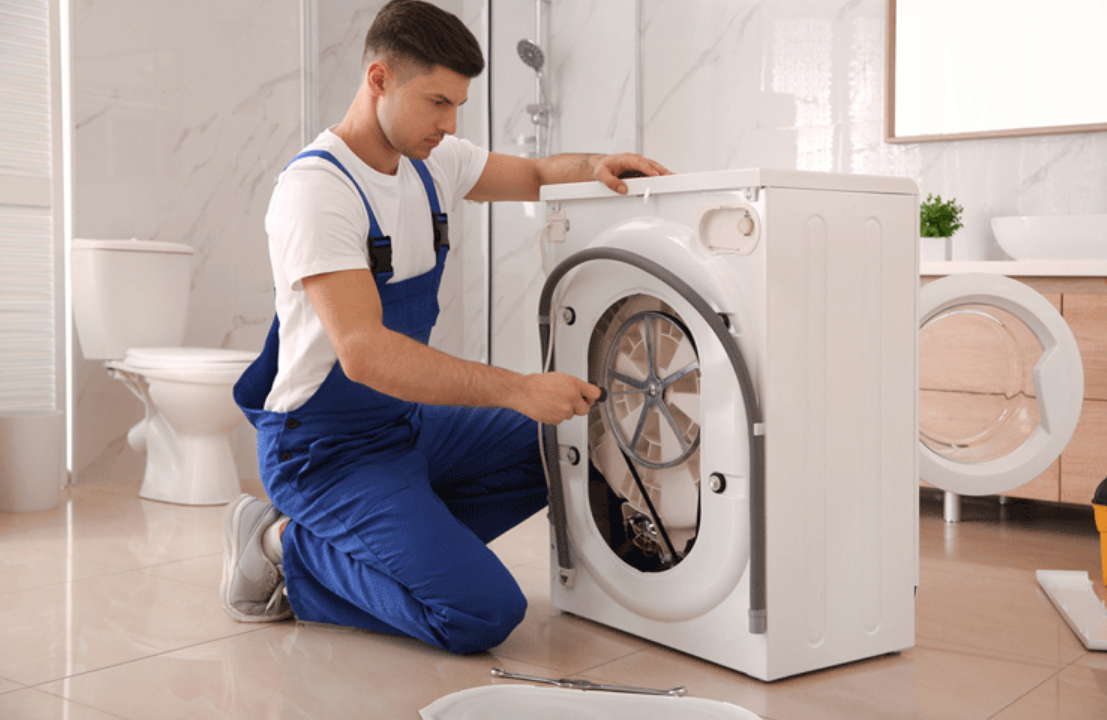
Uneven heating in an oven can be one of the most frustrating issues for any home cook. You follow a recipe to the letter, only to find that your cake is burnt on one side and raw in the middle, or your roasted vegetables are half-charred and half-crunchy. Understanding the mechanics behind your kitchen equipment is the first step toward consistent meals. If you are struggling with inconsistent temperatures, seeking professional Appliance Repair in Fort Lauderdale, FL can ensure your unit returns to peak performance, but knowing the "why" behind the failure helps you decide when to call in the experts.
The Role of the Bake and Broil Elements
In most electric ovens, heat is generated by two primary heating elements: the bake element at the bottom and the broil element at the top. During a standard baking cycle, both elements usually cycle on and off to maintain a steady ambient temperature.
If one of these elements begins to fail or burns out completely, the oven will struggle to distribute heat evenly. You might notice the bottom of your food is undercooked while the top is over-browned, indicating a faulty bake element. Visually inspecting these coils for blisters, breaks, or areas that do not glow red during operation is a quick way to diagnose the problem. For homeowners in Broward County, having a technician from Pozharko Appliance Repair inspect these electrical components can prevent further damage to the oven’s internal wiring.
Temperature Sensor and Calibration Issues
The temperature sensor is a small, thin tube usually located at the back of the oven. It acts as the "brain" of the heating process, telling the control board when to fire the elements and when to turn them off. Over time, these sensors can drift out of calibration or fail entirely due to high-heat exposure or grease buildup.
If the sensor is touching the oven wall or is coated in residue, it will provide inaccurate resistance readings. This results in the oven "thinking" it has reached 350°F when it is actually much cooler or hotter. Replacing a faulty sensor is a common task for local oven maintenance experts, as it requires precise testing with a multimeter to ensure the ohms match the manufacturer’s specifications.
Convection Fan Malfunctions
If you own a convection oven, the fan is responsible for circulating hot air throughout the cavity. This airflow strips away the "cold air envelope" that surrounds food, allowing for faster and more even cooking. However, if the fan motor burns out or the blades becomes obstructed, the oven reverts to standard radiant heating, which often leads to hot spots.
Uneven cooking in a convection model is a classic sign of a mechanical failure. Debris from a spill or a worn-out motor bearing can cause the fan to spin slowly or stop altogether. Keeping the fan assembly clean is vital for kitchen appliance longevity, especially in busy households where the oven is used daily.
Inspecting the Door Gasket and Seals
Sometimes the problem isn't how the heat is created, but how it is escaping. The rubber or fiberglass gasket that lines the oven door is designed to create an airtight seal. If this seal is torn, brittle, or compressed, heat will leak out of the front of the unit.
When heat escapes through the door, the front of the oven remains cooler than the back. This forces the heating elements to work overtime, creating a massive temperature gradient within the oven box. Checking for "heat shadows" or feeling for warm air escaping around the door frame can help you identify a failing seal. This is a simple fix that significantly improves energy efficiency and cooking results.
Blocked Airflow and Rack Placement
Not every uneven heating issue requires a mechanical repair. Sometimes, the way the oven is used affects its performance. What You Should Know is that proper airflow is essential for the thermostat to read the temperature correctly.
-
Overcrowding: Placing too many pans on one rack blocks the rise of heat from the bottom element.
-
Aluminum Foil: Lining the bottom of the oven or the racks with foil can reflect heat in unpredictable ways and block vents.
-
Rack Position: Using the top rack for items that need gentle bottom heat will almost always result in uneven browning.
Ensuring at least two inches of space between pans and the oven walls allows the air to move freely, which is a key component of effective oven troubleshooting.
Addressing Control Board Failures
The oven control board is the command center that regulates the relays for the heating elements. If the board has a short circuit or a stuck relay, it may fail to send power to the broil or bake circuits at the correct intervals.
While less common than a burnt-out element, a failing control board is a complex issue that usually requires professional diagnostic tools. If you have replaced the sensor and the elements but still experience wild temperature swings, it is likely time to consult a specialist in Appliance Repair in Fort Lauderdale, FL. A professional can determine if the board needs a simple repair or a full replacement to restore the unit's functionality.
Preventive Maintenance for Oven Longevity
To avoid the frustration of ruined dinners, regular maintenance is recommended. This includes cleaning the interior without using harsh chemicals that could damage the porcelain coating and checking that the leveling of the oven is correct. An oven that is tilted can cause batters to pool to one side, leading to uneven baking that looks like a heating issue but is actually a physical leveling problem.
By staying proactive with your kitchen equipment, you can extend the life of your appliances and ensure that every meal comes out perfectly. Whether it's a simple calibration or a motor replacement, addressing these issues early saves money on energy bills and prevents the need for a premature replacement of the entire unit.
- Digital Agency
- Literie
- Location de voitures
- Restaurant
- Restaurant
- Mode
- Mode
- Information
- Marketing
- Tourisme
- Développement
- Découverte
- Législation
- Gastronomie
- Pâtisserie
- Event
- Art
- Causes
- Crafts
- Dance
- Drinks
- Film
- Fitness
- Food
- Παιχνίδια
- Gardening
- Health
- Κεντρική Σελίδα
- Literature
- Music
- Networking
- άλλο
- Party
- Religion
- Shopping
- Sports
- Theater
- Wellness
 Greek
Greek
 Indian
 English
 French
 Arabic
 Spanish
 Portuguese
 Deutsch
 Turkish
 Dutch
Dutch
 Italiano
 Russian
 Romaian
 Portuguese (Brazil)
