


Preventing Water Damage in Older Homes
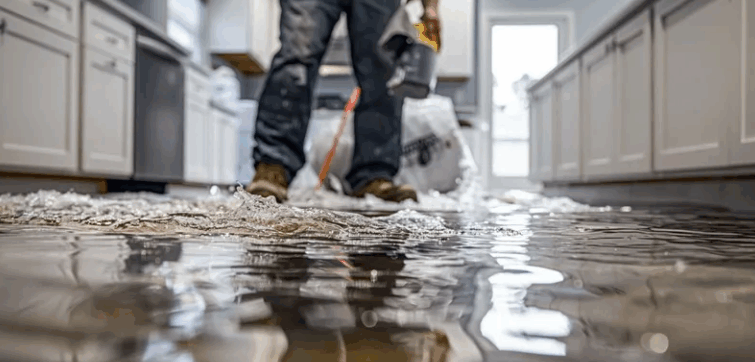
Older homes have a unique charm, from their detailed woodwork to their historical architecture. However, they often come with challenges that newer constructions do not face, particularly when it comes to water damage restoration. Aging plumbing, outdated roofing, and compromised foundations can make older homes more vulnerable to leaks, mold, and structural issues. Preventing water damage in older homes requires careful attention, proactive maintenance, and timely intervention. Understanding the common risks and solutions can save homeowners thousands in repair costs and preserve the integrity of their property.
Common Causes of Water Damage in Older Homes
Water damage can occur in any home, but older structures have specific vulnerabilities that make prevention especially critical. Some common causes include:
- Aging Plumbing: Over time, pipes can corrode, develop leaks, or even burst. Galvanized steel pipes, common in homes built before the 1960s, are especially prone to rust and reduced water flow, which increases the risk of leaks.
- Roof Deterioration: Shingles, flashing, and underlayment materials degrade with age, allowing water to seep into the attic and ceilings. Older roofs may also lack modern waterproofing, which further increases exposure to rain and snow.
- Foundation Issues: Cracks in the foundation or improper drainage can allow water to pool near the base of the home. Over time, this can lead to basement flooding or structural weakening.
- Outdated Siding and Exterior Materials: Wood siding, older brickwork, and outdated caulking can allow water penetration. Without proper maintenance, water may seep behind walls, causing hidden damage.
- Faulty Windows and Doors: Older windows and doors may not seal properly. Leaks around frames can cause damage to walls and floors, especially during heavy rain or storms.
Signs of Water Damage
Early detection is crucial for preventing extensive damage. Homeowners should be aware of common indicators, such as:
- Stains and Discoloration: Yellow or brown stains on ceilings or walls may indicate a slow leak.
- Warped or Buckled Flooring: Water absorption can distort hardwood, laminate, and even carpet.
- Musty Odors: Persistent damp or moldy smells are often a sign of hidden water intrusion.
- Peeling Paint or Wallpaper: Moisture behind walls can cause paint or wallpaper to bubble or peel.
- Mold Growth: Mold can develop quickly in damp areas, posing health risks and signaling prolonged water exposure.
Recognizing these signs early allows homeowners to address problems before they escalate.
Preventive Measures for Older Homes
Preventing water damage requires a combination of regular maintenance and strategic upgrades. Some effective strategies include:
1. Regular Plumbing Inspections
Older plumbing systems require frequent checks. Inspect pipes for corrosion, leaks, or signs of moisture. Consider replacing outdated materials like galvanized steel with modern alternatives such as copper or PEX piping. Installing shut-off valves at key points can also help limit water flow during emergencies.
2. Roof Maintenance
Inspect the roof annually for damaged or missing shingles, broken flashing, and clogged gutters. Make repairs promptly to prevent leaks. Installing waterproof underlayment or a modern roofing membrane can provide added protection for older homes.
3. Improve Drainage Around the Home
Ensure that the ground slopes away from the foundation to prevent water accumulation. Clean gutters and downspouts regularly to ensure water flows away from the house. Consider installing French drains or sump pumps in areas prone to water buildup, particularly basements.
4. Upgrade Windows and Doors
Replacing old windows and weatherstripping around doors can prevent water intrusion. Properly sealed frames reduce drafts, improve energy efficiency, and minimize moisture exposure.
5. Seal Exterior Surfaces
Check siding, brick, and masonry for cracks or gaps. Use high-quality caulking and sealants to prevent water from penetrating walls. In particularly vulnerable areas, applying waterproof coatings can offer additional protection.
6. Monitor Humidity Levels
Excessive indoor humidity can contribute to water-related issues. Use dehumidifiers in basements and attics, especially in older homes with limited ventilation. Proper ventilation in bathrooms and kitchens also reduces condensation and moisture buildup.
7. Professional Assessment
Engaging a professional for a comprehensive home inspection can identify hidden risks. Experts can assess roofing, plumbing, foundation, and other critical areas. For older homes, regular assessments every few years are recommended to catch potential issues early.
The Importance of Immediate Response
Despite preventive measures, water incidents can still occur due to storms, pipe bursts, or accidental leaks. Acting quickly is crucial. Even small leaks can lead to mold growth, structural weakening, and significant repair costs. Homeowners should have a plan for emergency response, including access to reliable Water Damage Restoration services. Professional restoration specialists can assess damage, remove excess moisture, and restore affected areas efficiently, minimizing long-term impact.
Choosing the Right Water Damage Restoration Service
Selecting a reputable Water Damage Restoration provider is essential for older homes. Look for professionals with experience in historic structures, as they will understand the nuances of preserving older materials while repairing water damage. Timely intervention can prevent minor issues from becoming major repairs and ensure the home remains safe and habitable.
Conclusion
Preventing water damage in older homes requires vigilance, regular maintenance, and proactive upgrades. By inspecting plumbing, roofs, foundations, and exterior surfaces, homeowners can reduce the risk of costly repairs. Monitoring humidity, sealing potential entry points, and having a reliable Water Damage Restoration plan in place further ensures the longevity and safety of older homes. While aging homes present unique challenges, thoughtful care and timely action can preserve their beauty and structural integrity for generations to come.
- Digital Agency
- Literie
- Location de voitures
- Restaurant
- Restaurant
- Mode
- Mode
- Information
- Marketing
- Tourisme
- Développement
- Découverte
- Législation
- Gastronomie
- Pâtisserie
- Evento
- Art
- Causes
- Crafts
- Dance
- Drinks
- Film
- Fitness
- Food
- Jogos
- Gardening
- Health
- Início
- Literature
- Music
- Networking
- Outro
- Party
- Religion
- Shopping
- Sports
- Theater
- Wellness
 Portuguese
 Indian
 English
 French
 Arabic
 Spanish
 Deutsch
 Turkish
 Dutch
Dutch
 Italiano
 Russian
 Romaian
 Portuguese (Brazil)
 Greek
Greek
